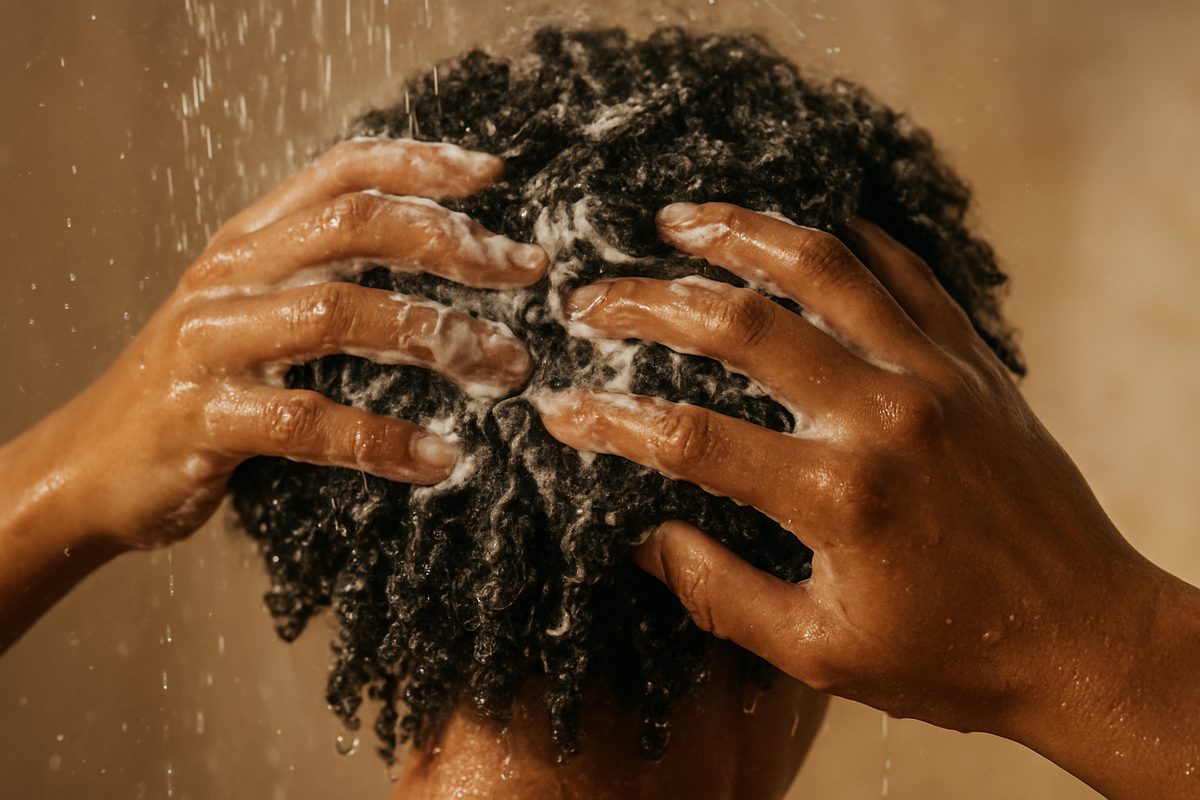
Co-Washing 101: Is Conditioner-Only Washing Right for Your Hair in 2026?
Co-washing is defined as the practice of washing hair exclusively with conditioner, or a specialized co-wash product, instead of traditional shampoo. This method aims to cleanse the hair and scalp gently without stripping natural oils, making it particularly beneficial for individuals with dry, curly, coily, or damaged hair types. It matters for anyone seeking to reduce dryness, enhance moisture retention, improve curl definition, and minimize frizz, offering a less harsh alternative to conventional shampooing.
Table of Contents
- Understanding Co-Washing: The Gentle Cleanse Revolution
- The Science Behind Conditioner-Only Washing
- Is Co-Washing Right for Your Hair Type?
- How to Co-Wash Effectively: A Step-by-Step Guide
- Choosing the Best Co-Wash Products
- Potential Pitfalls and How to Avoid Them
- Integrating Co-Washing into Your Haircare Routine
Understanding Co-Washing: The Gentle Cleanse Revolution
In the vast and often confusing world of haircare, trends come and go, but some methods prove to be game-changers for specific hair types. Co-washing, short for "conditioner-only washing," is one such method that has moved beyond a mere trend to become a staple for many. At its core, co-washing is exactly what it sounds like: using a conditioner or a dedicated co-wash product to cleanse your hair and scalp, completely bypassing traditional shampoo. This approach stands in stark contrast to the conventional shampoo-and-conditioner routine, which has been the default for generations.
What Exactly is Co-Washing?
Traditional shampoos are formulated with surfactants, which are cleansing agents designed to remove dirt, oil, and product buildup from the hair and scalp. While effective, many of these surfactants, especially sulfates, can be quite aggressive, stripping away not only impurities but also the hair's natural, protective oils. For some hair types, particularly those prone to dryness, frizz, or damage, this can lead to a cycle of dehydration and further damage. Co-washing offers a gentler alternative. Conditioners, by nature, contain milder cleansing agents (if any) and are primarily designed to moisturize, detangle, and smooth the hair cuticle. When used as a co-wash, these products work to lightly cleanse the scalp and hair without removing essential moisture, leaving hair softer, more manageable, and less prone to breakage.
The Rise of the Co-Wash Movement
The co-washing movement gained significant traction within the natural hair community, particularly among individuals with curly, coily, and kinky hair textures (e.g., 3A to 4C). These hair types are inherently drier due to the structure of their hair follicles, which makes it harder for natural scalp oils to travel down the hair shaft. Traditional shampoos often exacerbated this dryness, leading to brittle hair, frizz, and diminished curl definition. As people sought gentler ways to care for their delicate curls, co-washing emerged as a powerful solution. However, its benefits aren't exclusive to textured hair. Individuals with color-treated, chemically processed, or very fine, dry hair can also find immense value in incorporating co-washing into their routine, as it helps preserve color and moisture.
Beyond Just Conditioner: Dedicated Co-Wash Products
While you can certainly co-wash with a regular conditioner, the market has responded to the demand by introducing specialized co-wash products. These products are formulated with a balance of mild cleansing agents, nourishing oils, and hydrating ingredients that are specifically designed for effective, gentle cleansing without the heavy feel that some regular conditioners might leave. They often contain ingredients like cetearyl alcohol, behentrimonium methosulfate, and various botanical extracts that help to lift impurities while imparting moisture. Choosing between a regular conditioner and a dedicated co-wash often comes down to your specific hair needs and how your hair responds to different formulations. Some regular conditioners might be too heavy or not cleansing enough, while a dedicated co-wash is engineered to strike that perfect balance.
The Science Behind Conditioner-Only Washing
To truly appreciate the benefits of co-washing, it's helpful to delve into the underlying science of how it cleanses and nourishes the hair. Unlike the harsh detergents found in many shampoos, co-washes rely on a different mechanism to keep your hair clean and healthy. Understanding this science can help you determine if co-washing aligns with your hair's unique needs and how to best integrate it into your routine.
Surfactants: The Good, The Bad, and The Gentle
The primary difference between shampoos and co-washes lies in their surfactant systems. Shampoos typically use strong anionic surfactants like Sodium Lauryl Sulfate (SLS) or Sodium Laureth Sulfate (SLES). These molecules have a hydrophilic (water-loving) head and a lipophilic (oil-loving) tail. They work by emulsifying oils and dirt, allowing them to be rinsed away with water. While effective, these strong surfactants can also strip the hair's natural sebum, leading to dryness, irritation, and even color fading. Co-washes, on the other hand, use much milder, often cationic or non-ionic surfactants, or sometimes no traditional surfactants at all. Instead, they rely on the emulsifying properties of fatty alcohols (like cetearyl alcohol) and emollients to gently lift dirt and product buildup. These ingredients bond with oil and grime, allowing them to be rinsed away without disrupting the hair's natural moisture barrier.
Preserving the Hair's Natural Lipid Barrier
Your hair and scalp produce a natural oil called sebum, which forms a protective lipid barrier. This barrier is crucial for maintaining moisture, elasticity, and overall hair health. Traditional shampoos can aggressively remove this barrier, leaving the hair vulnerable to damage, frizz, and dryness. Co-washing works to preserve this vital barrier. By using milder cleansing agents, co-washes ensure that only excess oil and surface impurities are removed, leaving enough natural sebum to keep the hair hydrated and protected. This is particularly important for hair types that struggle with dryness, such as curly, coily, and chemically treated hair, where the natural oils have difficulty traveling down the hair shaft. The result is hair that feels softer, looks shinier, and is less prone to breakage.
The Role of Conditioning Agents in Cleansing
Beyond just mild surfactants, co-washes are packed with conditioning agents. These include ingredients like silicones (water-soluble ones are often preferred in co-washes), fatty alcohols, humectants (e.g., glycerin), and natural oils (e.g., coconut oil, argan oil). When you massage a co-wash into your scalp and hair, these conditioning agents work in several ways:
- Detangling: The slip provided by conditioners helps to detangle hair, reducing friction and breakage during the washing process.
- Moisture Infusion: Humectants attract moisture from the air, while emollients and oils seal it into the hair shaft, providing deep hydration.
- Smoothing the Cuticle: Conditioning agents help to flatten the hair cuticle, which reduces frizz and enhances shine.
- Gentle Lift: The combination of mild surfactants and conditioning agents creates a gentle emulsion that lifts dirt and product residue without stripping.
This multi-functional approach means co-washing not only cleanses but also actively conditions and protects your hair in one step, making it an efficient and beneficial method for maintaining hair health.
Is Co-Washing Right for Your Hair Type?
While co-washing offers a myriad of benefits, it's not a one-size-fits-all solution. The effectiveness of conditioner-only washing largely depends on your specific hair type, texture, and concerns. Understanding these nuances is key to determining if co-washing will be a beneficial addition to your haircare regimen or if it might lead to unintended issues.
Ideal Candidates for Co-Washing
Co-washing truly shines for certain hair types that struggle with dryness and damage from traditional shampoos.
- Curly and Coily Hair (Type 3A to 4C): This is where co-washing gained its fame. Curly and coily hair textures are naturally drier because the twists and turns in the hair shaft make it difficult for natural scalp oils (sebum) to travel down and lubricate the entire strand. Traditional shampoos often strip away what little moisture these hair types have, leading to frizz, breakage, and loss of curl definition. Co-washing provides the gentle cleansing and intense moisture these curls crave, enhancing elasticity and bounce.
- Dry and Damaged Hair: Whether from heat styling, chemical treatments (like coloring, perms, or relaxers), or environmental factors, dry and damaged hair benefits immensely from the moisturizing properties of co-washing. It helps to restore the hair's lipid barrier and prevent further moisture loss.
- Thick or Coarse Hair: These hair types often require more moisture and can withstand the richer formulations of co-washes without becoming weighed down. The added slip from co-washes also aids in detangling thick hair, reducing mechanical damage.
- Color-Treated Hair: Sulfates in traditional shampoos can accelerate color fading. Co-washing, being sulfate-free and gentle, helps to preserve hair color by minimizing the stripping of dye molecules.
Hair Types That Should Approach Co-Washing with Caution
While co-washing is fantastic for many, it's not universally beneficial. Some hair types might experience adverse effects if they switch to co-washing exclusively.
- Fine or Oily Hair: If your hair tends to get greasy quickly or lacks volume, co-washing might not be your best bet. The rich, moisturizing nature of conditioners can easily weigh down fine hair, making it look limp and feel greasy faster. For oily scalps, co-washing might not provide enough cleansing power to remove excess sebum and product buildup, potentially leading to scalp issues.
- Straight Hair: While some straight hair types can benefit, particularly if it's dry or coarse, many straight hair types, especially fine to medium, might find co-washing makes their hair feel heavy, greasy, or lacking in volume. The natural oils travel easily down straight hair, so additional conditioning might be overkill.
- Scalp Conditions: Individuals with certain scalp conditions like seborrheic dermatitis, severe dandruff, or very sensitive scalps might need the stronger cleansing action of medicated shampoos or specific sulfate-free shampoos to manage their conditions effectively. Co-washing might not adequately remove the flakes or buildup associated with these issues.
The Hybrid Approach: When to Co-Wash and When to Shampoo
For many, the most effective approach isn't an all-or-nothing commitment but a hybrid routine. This involves alternating between co-washing and traditional shampooing (preferably with a sulfate-free shampoo).
- Weekly or Bi-Weekly Clarifying: Even if you primarily co-wash, it's crucial to periodically use a clarifying shampoo (once every 2-4 weeks, depending on product use) to remove any potential buildup that even mild co-washes might leave behind. This prevents the hair from becoming dull, heavy, or prone to scalp issues.
- Alternating Days: Some people find success co-washing on alternate days or every other wash, using a gentle shampoo on other wash days. This allows them to reap the moisturizing benefits of co-washing while still ensuring a deeper cleanse when needed.
- Listen to Your Hair: The most important rule is to observe how your hair and scalp respond. If your hair feels greasy, heavy, or your scalp becomes itchy, it might be a sign that you need more frequent shampooing or a different co-wash product. If your hair feels dry and brittle after shampooing, co-washing could be a great alternative.
π Recommended Product: SheaMoisture Curl Enhancing Smoothie
This rich, nourishing cream is a cult favorite for curly and coily hair, perfect for defining curls and providing intense moisture without weighing them down. It can be used as a leave-in or a styling cream after co-washing.
[Buy on Amazon: https://www.amazon.com/dp/B00JQPQKGE?tag=seperts-20]
How to Co-Wash Effectively: A Step-by-Step Guide
Mastering the art of co-washing requires a slightly different technique than traditional shampooing. It's not just about swapping one product for another; it's about understanding how to properly cleanse and condition your hair simultaneously. Follow this detailed step-by-step guide to ensure you get the most out of your co-washing routine, leaving your hair clean, hydrated, and healthy.
Step 1 of 5: Thoroughly Wet Your Hair
Before applying any product, ensure your hair is completely saturated with warm water. This is a crucial first step because warm water helps to open the hair cuticles, allowing the co-wash to penetrate more effectively and deliver its conditioning benefits. It also helps to loosen any dirt, oil, or product buildup on the scalp and hair strands, making the gentle cleansing process more efficient. Stand under the shower for a good minute or two, letting the water run through all sections of your hair, from roots to ends. If you have very thick or dense hair, take extra time to ensure every strand is drenched.
Step 2 of 5: Apply Co-Wash Generously
Unlike shampoo, which often requires only a small amount, co-washing typically calls for a more generous application. Dispense a substantial amount of your chosen co-wash product into your palm β think a quarter-sized amount for short hair, and significantly more for long, thick, or very curly hair. The goal is to have enough product to thoroughly coat both your scalp and all your hair strands. Start by distributing the product directly onto your scalp, focusing on areas that tend to get oily or accumulate buildup. Then, work the remaining product down the length of your hair, ensuring even coverage from root to tip. Don't be shy; the "generous" part is key for effective cleansing and conditioning.
Step 3 of 5: Massage and Detangle
This is arguably the most important step in the co-washing process. Once the co-wash is applied, use the pads of your fingertips (not your nails!) to gently but firmly massage your scalp for at least 3-5 minutes. This massage serves multiple purposes:
- Cleansing: It physically lifts dirt, oil, and product buildup from the scalp, allowing the mild cleansing agents in the co-wash to work effectively.
- Stimulation: Scalp massage promotes blood circulation, which can be beneficial for hair growth.
- Distribution: It helps to evenly distribute the co-wash, ensuring all areas of the scalp and hair receive attention.
While massaging your scalp, the conditioning agents in the co-wash will begin to detangle your hair. Use your fingers or a wide-tooth comb to gently work through any knots or tangles, starting from the ends and slowly moving up to the roots. Be patient and gentle to avoid breakage, especially if you have delicate or easily tangled hair. You should feel a noticeable "slip" as the co-wash works its magic.
Step 4 of 5: Rinse Thoroughly (But Not Too Thoroughly)
After massaging and detangling, it's time to rinse. Use cool or lukewarm water to rinse your hair. Cool water helps to close the hair cuticles, locking in moisture and enhancing shine. Rinse thoroughly until the water runs clear and you no longer feel a thick, slippery residue. However, the goal is not to strip your hair completely. You should still feel a slight, soft, conditioned coating on your hair β this is the moisture that co-washing is designed to leave behind. If your hair feels squeaky clean, you might have rinsed too much, or your co-wash might be too strong for your needs.
Step 5 of 5: Follow with Leave-In or Styling Products
Once rinsed, gently squeeze excess water from your hair. Avoid rubbing vigorously with a towel, as this can cause frizz and breakage. Instead, use a microfiber towel or an old cotton t-shirt to blot your hair dry. Now is the perfect time to apply your favorite leave-in conditioner, hair oil, or styling products. Because co-washed hair retains more moisture, you might find you need less product than usual, or that your styling products work even better. For curly hair, this is the ideal stage to apply curl creams or gels to define your pattern. For other hair types, a light leave-in or serum can seal in the moisture and protect against environmental damage.
Choosing the Best Co-Wash Products
The success of your co-washing journey hinges significantly on selecting the right product. Not all conditioners are created equal, and while any conditioner can technically be used for co-washing, dedicated co-wash formulations or specific types of conditioners will yield the best results. Understanding what to look for and what to avoid is crucial for maintaining healthy, clean, and hydrated hair.
What to Look for in a Co-Wash
When scrutinizing product labels for a suitable co-wash, keep these key ingredients and characteristics in mind:
- Sulfate-Free: This is non-negotiable. Sulfates are the harsh detergents you're trying to avoid by co-washing. Ensure the product explicitly states "sulfate-free" or check the ingredient list for common sulfates like Sodium Lauryl Sulfate (SLS), Sodium Laureth Sulfate (SLES), and Ammonium Lauryl Sulfate.
- Mild Cleansing Agents: Look for gentle, non-stripping surfactants if any are present. Ingredients like Cetearyl Alcohol, Stearyl Alcohol, Behentrimonium Methosulfate, or Cocamidopropyl Betaine are often found in effective co-washes. These help to lift impurities without stripping natural oils.
- Moisturizing Ingredients: The core of co-washing is hydration. Seek out products rich in humectants (like glycerin, hyaluronic acid, panthenol) that draw moisture into the hair, and emollients (like shea butter, cocoa butter, various plant oils such as coconut oil, argan oil, jojoba oil) that seal in that moisture and provide slip for detangling.
- Protein Balance (Optional but Beneficial): For damaged or chemically treated hair, a co-wash with a balanced amount of protein (e.g., hydrolyzed wheat protein, keratin) can help strengthen the hair shaft. However, too much protein can lead to stiffness, so look for a balance.
- Non-Heavy Formulation: While moisturizing, a good co-wash shouldn't feel excessively heavy or leave a greasy residue. It should rinse out relatively cleanly, leaving your hair feeling soft and hydrated, not weighed down.
Ingredients to Avoid in a Co-Wash
Just as important as knowing what to look for is knowing what to steer clear of, especially if you're sensitive to certain ingredients or aiming for a specific hair outcome.
- Heavy Silicones (if you clarify infrequently): While some silicones are water-soluble and can provide excellent slip and shine, non-water-soluble silicones (e.g., Dimethicone, Cyclomethicone, Amodimethicone without a "PEG-" prefix) can build up on the hair over time, leading to dullness and limpness, especially if you don't use a clarifying shampoo periodically. If you plan to co-wash exclusively without clarifying, opt for silicone-free or water-soluble silicone formulations.
- Phthalates and Parabens: These are common preservatives and plasticizers found in many beauty products. While their effects on human health are still debated, many prefer to avoid them, especially in products used frequently.
- Artificial Fragrances (for sensitive scalps): If you have a sensitive scalp or allergies, strong artificial fragrances can be irritating. Look for fragrance-free options or those scented with natural essential oils, though even essential oils can be irritating for some.
- Mineral Oil and Petrolatum (for some): These are occlusive agents that can be very moisturizing, but for some hair types, especially fine hair, they can feel heavy and lead to buildup. They are generally more common in products for very coarse or extremely dry hair.
Product Recommendations for Various Hair Types
Here at ShampooGarage, we've tested countless products. Here are a few recommendations that stand out for co-washing:
For Curly/Coily Hair (3A-4C):
- As I Am Coconut CoWash: A classic for a reason. It's incredibly moisturizing, detangling, and provides a gentle cleanse without stripping. Rich in coconut oil and shea butter.
- DevaCurl No-Poo Original Zero Lather Conditioning Cleanser: One of the pioneers in the co-wash space, designed specifically for curly hair. It's incredibly hydrating and helps maintain curl integrity.
- Cantu Shea Butter for Natural Hair Complete Conditioning Co-Wash: An affordable and effective option, packed with shea butter to nourish and soften hair while gently cleansing.
For Dry/Damaged Hair:
- Briogeo Be Gentle, Be Kind Avocado + Kiwi Mega Moisture Superfood Mask (used as a co-wash): While a mask, its rich, nourishing formula makes it an excellent, albeit luxurious, co-wash for extremely dry or damaged hair.
- Olaplex No. 4C Bond Maintenance Clarifying Shampoo (used occasionally for clarifying): While not a co-wash, if you're co-washing regularly, you'll need a good clarifying shampoo like this one to remove buildup without stripping your hair.
- L'Oreal EverPure Sulfate-Free Moisture Conditioner: An accessible, budget-friendly option that's free of sulfates, parabens, and harsh salts, providing a gentle cleanse and good moisture.
For Wavy/Fine Hair (with caution):
- Not Your Mother's Naturals Tahitian Gardenia Flower & Mango Butter Curl Defining Conditioner (used sparingly): This conditioner is lighter than many, making it a potential option for wavy hair that needs a gentle cleanse without too much weight. Use a small amount.
- Pantene Pro-V Gold Series Moisture Boost Conditioner: A surprisingly good, affordable option for gentle cleansing and moisture, without being overly heavy.
Remember, every head of hair is unique. What works wonders for one person might not be ideal for another. Don't be afraid to experiment with different co-wash products until you find the one that leaves your hair feeling its best.
π Recommended Product: Cantu Shea Butter Leave-In Conditioner
After co-washing, a good leave-in is essential. This rich, hydrating leave-in conditioner helps to repair, restore, and strengthen dry, damaged hair, making it perfect for maintaining moisture and manageability.
[Buy on Amazon: https://www.amazon.com/dp/B007JCAHE4?tag=seperts-20]
Potential Pitfalls and How to Avoid Them
While co-washing can be a transformative haircare method, it's not without its potential challenges. Understanding these common pitfalls and knowing how to proactively address them can save you from frustration and ensure your co-washing journey is a successful one. Many issues arise from improper technique or using the wrong products for your hair type.
Buildup and Greasiness
The most common complaint associated with co-washing is the feeling of product buildup, greasiness, or hair feeling heavy and limp. This usually happens for a few reasons:
- Not rinsing thoroughly enough: While you want to leave some moisture, not rinsing out enough of the co-wash product can leave a residue.
- Using too much product: While generous application is recommended, excessive amounts can overwhelm the hair, especially if it's fine or prone to oiliness.
- Using a co-wash that's too heavy for your hair type: If your hair is fine, straight, or not particularly dry, a very rich, creamy co-wash might be too much.
- Infrequent clarifying: Even the gentlest co-washes can leave some residue over time.
Solution: - Rinse longer and more thoroughly: Ensure the water runs clear and you feel a light, not heavy, slip.
- Adjust product amount: Start with a smaller amount and add more if needed.
- Switch co-wash products: Opt for a lighter formulation if your hair feels weighed down.
- Incorporate clarifying: Use a sulfate-free clarifying shampoo once every 2-4 weeks to remove buildup. This is a non-negotiable step for almost everyone who co-washes regularly.
Scalp Issues: Itchiness, Flakes, or Breakouts
Some individuals might experience scalp irritation, itchiness, flaking, or even breakouts when they start co-washing. This can be due to:
- Insufficient cleansing: If the co-wash isn't effectively removing dirt, sweat, and oil, it can lead to an unhealthy scalp environment.
- Allergic reaction: Some ingredients in the co-wash might irritate your scalp.
- Fungal or bacterial overgrowth: A consistently moist and less-than-clean scalp can create a breeding ground for microorganisms.
Solution: - Improve massage technique: Ensure you're thoroughly massaging your scalp with your fingertips to lift impurities.
- Consider a dedicated scalp scrub or treatment: If issues persist, a gentle scalp scrub or a targeted treatment might be necessary.
- Check ingredients: If you suspect an allergy, try a co-wash with a simpler ingredient list or one specifically formulated for sensitive scalps.
- Reintroduce shampoo periodically: If scalp issues are severe, you might need to alternate co-washing with a gentle, sulfate-free shampoo more frequently.
Lack of Volume or Limp Hair
For those accustomed to the "squeaky clean" feeling and voluminous lift that traditional shampoos can provide, co-washing might initially leave hair feeling a bit flat or lacking in volume. This is often because co-washing doesn't strip the hair of all its natural oils, which can contribute to a certain level of weight.
Solution:
- Focus on root lifting: When styling, use techniques that encourage root lift, such as diffusing hair upside down or using root-lifting sprays.
- Use lighter co-wash formulas: As mentioned, a less heavy co-wash can make a difference.
- Clarify regularly: Buildup can also contribute to limpness, so a clarifying shampoo can help restore bounce.
- Consider a hybrid approach: If volume is a major concern, alternate co-washing with a volumizing, sulfate-free shampoo.
Comparison Table: Co-Washing vs. Traditional Shampooing
To help visualize the differences and decide which method aligns best with your hair goals, here's a comparison:
| Feature | Co-Washing (Conditioner-Only) | Traditional Shampooing |
|---|---|---|
| Primary Goal | Gentle cleansing, intense moisture, curl definition | Thorough cleansing, oil/buildup removal |
| Cleansing Mechanism | Mild surfactants, emollients, physical massage | Stronger surfactants (e.g., sulfates) |
| Impact on Natural Oils | Preserves natural sebum, prevents stripping | Can strip natural oils, leading to dryness |
| Ideal Hair Types | Curly, coily, dry, damaged, color-treated, thick | Oily, fine, straight, healthy, non-damaged |
| Potential Downsides | Buildup, greasiness, lack of volume (if not done correctly) | Dryness, frizz, color fading, scalp irritation |
| Frequency | Can be done more frequently (daily to every few days) | Typically 2-3 times a week, or as needed |
| Rinsing Sensation | Soft, conditioned, slight "slip" | Squeaky clean, sometimes dry |
| Need for Clarifying | Essential, typically every 2-4 weeks | Occasional, if using heavy styling products |
| Typical Products | Dedicated co-washes, rich conditioners | Shampoos (sulfate or sulfate-free) |
Understanding these distinctions will empower you to make informed decisions about your haircare routine and troubleshoot any issues that may arise.
Integrating Co-Washing into Your Haircare Routine
Successfully adopting co-washing isn't just about the act itself; it's about how you weave it into your existing haircare routine. It requires a mindful approach, often involving adjustments to your product choices and wash frequency. The goal is to create a harmonious routine that maximizes the benefits of co-washing while addressing your hair's overall health and appearance.
Starting Your Co-Washing Journey
If you're new to co-washing, don't expect overnight miracles or a perfectly smooth transition. Your hair and scalp need time to adjust to the change in cleansing method.
- Gradual Transition: Instead of immediately abandoning shampoo, consider a gradual transition. Start by replacing one shampoo wash per week with a co-wash. For example, if you wash your hair three times a week, co-wash once and shampoo twice. Gradually increase co-washing frequency as your hair adapts.
- Observe and Adjust: Pay close attention to how your hair and scalp respond.
- If your hair feels greasy or heavy: You might be co-washing too frequently, using too much product, or your co-wash is too rich. Try a lighter co-wash or reduce frequency.
- If your hair still feels dry: You might need a more moisturizing co-wash, or you're not leaving it on long enough.
- If your scalp is itchy or flaky: Ensure thorough rinsing and consider a clarifying shampoo more often.
- Patience is Key: It can take a few weeks for your hair to fully adjust to co-washing, especially if you've been using harsh shampoos for a long time. Your scalp might initially produce more oil as it rebalances, but this usually subsides.
The Role of Clarifying Shampoos
Even the most dedicated co-washers cannot completely forgo shampoo. Clarifying shampoos play a vital role in preventing buildup, which can accumulate even with gentle co-washes.
- Why Clarify? Over time, conditioning agents, natural oils, and styling products can leave a residue on the hair and scalp. This buildup can lead to dullness, limpness, itchiness, and even hinder the effectiveness of your other hair products.
- How Often? The frequency of clarifying depends on your hair type, product usage, and lifestyle.
- For heavy product users or very oily scalps: Once every 2-3 weeks.
- For moderate product users or normal scalps: Once a month.
- For minimal product users or very dry hair: Every 6-8 weeks.
- Product Choice: When you do clarify, opt for a sulfate-free clarifying shampoo if possible, as it will be less harsh. However, if buildup is severe, a traditional clarifying shampoo with sulfates might be necessary for a deep clean. Follow up with a deep conditioner or hair mask after clarifying to replenish moisture.
Complementary Products and Practices
Co-washing works best when supported by a holistic haircare routine.
- Leave-In Conditioners: These are often essential for co-washers, especially those with dry or curly hair. A good leave-in helps to seal in moisture and provide an extra layer of protection.
- Hair Oils: Applying a light hair oil to damp or dry hair can add shine, reduce frizz, and further lock in moisture. Oils like argan, jojoba, or Mielle Rosemary Mint Scalp Oil can be beneficial.
- Deep Conditioning Treatments: Incorporate a deep conditioning mask once or twice a month to provide intensive hydration and repair, especially after clarifying.
- Protective Styling: For curly and coily hair types, protective styles can help retain moisture and minimize manipulation, complementing the gentle nature of co-washing.
- Low Heat/No Heat Styling: Reducing reliance on heat styling tools (like the Dyson Supersonic Hair Dryer or Revlon One-Step Hair Dryer Brush) can further protect your hair from dryness and damage, enhancing the benefits of co-washing. If you must use heat, always apply a heat protectant.
By thoughtfully integrating co-washing, clarifying, and supportive products, you can create a personalized haircare routine that keeps your hair clean, moisturized, and thriving.
This article contains Amazon affiliate links. If you purchase through them, ShampooGarage earns a small commission at no extra cost to you.
Frequently Asked Questions
Q: Can I co-wash every day?
A: While some hair types, particularly very dry or coily hair, can benefit from daily co-washing, it's not universally recommended. For many, daily co-washing can lead to product buildup or greasiness. Listen to your hair and scalp; if it feels heavy or oily, reduce the frequency.
Q: Will co-washing make my hair greasy?
A: It can, especially if you have fine or oily hair, or if you don't rinse thoroughly enough. Using a co-wash that's too heavy for your hair type can also contribute to greasiness. Ensure you massage your scalp well and rinse until the water runs mostly clear, and consider a lighter co-wash formula.
Q: Do I still need to use shampoo if I co-wash?
A: Yes, absolutely. Even if you primarily co-wash, it's crucial to use a clarifying shampoo periodically (typically every 2-4 weeks) to remove any buildup of product, natural oils, and environmental impurities that co-washes might not fully remove. This prevents dullness, limpness, and scalp issues.
Q: What's the difference between a co-wash and a regular conditioner?
A: While both condition, a dedicated co-wash product is formulated with a balance of mild cleansing agents and moisturizing ingredients specifically designed for gentle cleansing without stripping. Regular conditioners are primarily for moisturizing and detangling after shampooing and may not have sufficient cleansing properties on their own, or might be too heavy for regular co-washing.
Q: Is co-washing good for color-treated hair?
A: Yes, co-washing is excellent for color-treated hair. Traditional shampoos, especially those with sulfates, can strip hair color, leading to faster fading. Co-washing provides a much gentler cleanse that helps preserve your hair color by minimizing the removal of dye molecules, while also keeping the hair moisturized and healthy.
Q: My hair feels heavy and limp after co-washing. What am I doing wrong?
A: This is a common issue. You might be using too much product, not rinsing thoroughly enough, or the co-wash product itself might be too heavy for your hair type. Try reducing the amount of product, rinsing for longer, or switching to a lighter co-wash formula. Regular clarifying will also help.
Q: Can co-washing help with frizz?
A: Yes, co-washing can significantly help reduce frizz, especially for curly and dry hair types. Frizz is often a sign of dehydrated hair with an open cuticle. By providing a gentle cleanse that doesn't strip natural oils and infusing moisture, co-washing helps to keep the hair cuticle smooth and hydrated, thereby minimizing frizz.
Q: How often should I clarify my hair if I co-wash?
A: The frequency depends on your hair type and product usage. For most co-washers, clarifying once every 2-4 weeks is sufficient. If you use a lot of styling products or have an oily scalp, you might need to clarify more often. If your hair feels dull, heavy, or your scalp is itchy, it's a sign you need to clarify.
Conclusion
Co-washing, or conditioner-only washing, has emerged as a powerful and effective haircare strategy, particularly for those battling dryness, frizz, and damage. By gently cleansing the hair and scalp without stripping away essential natural oils, it offers a pathway to softer, more manageable, and healthier hair, especially for curly, coily, and color-treated textures. While it's not a universal solution for every hair type β those with fine or oily hair may need to approach it with caution or adopt a hybrid routine β the benefits for its ideal candidates are undeniable.
Successfully integrating co-washing into your routine involves understanding the science behind it, choosing the right products, mastering the application and rinsing techniques, and crucially, remembering the importance of periodic clarifying. Itβs about listening to your hair, observing its responses, and being willing to adjust your approach. With patience and the right products, co-washing can transform your hair, enhancing its natural beauty and vitality. If you've struggled with traditional shampoos leaving your hair dry and brittle, co-washing might just be the gentle cleanse revolution your hair has been waiting for.
Ready to find your perfect haircare match? Browse our full product reviews at ShampooGarage and discover what actually works for your hair type.
Top Conditioners Products We Recommend
#ad β As an Amazon Associate we earn from qualifying purchases.
Reader Reactions
AI-simulated community engagementβCommunity Comments
Okay, so I've definitely tried co-washing before, but with my fine hair, it just leaves it feeling heavy and greasy way too fast. I need that proper shampoo cleanse to get the volume I want for a full glam look.
As someone with locs, co-washing is a hard pass for me because of the build-up risk, but I can see how it'd be a game-changer for other hair types looking to retain moisture. Scalp health is everything, so knowing your hair's needs is key here.
Co-washing can be a game-changer for certain hair types, especially those prone to dryness or frizz. I've seen it work wonders on clients with curly or textured hair, but it's definitely not a universal solution β some finer hair types can end up feeling weighed down. It's all about finding what your hair truly needs.
Some engagement metrics include AI-simulated activity from the Taciturn Studios Swarm Network. Real reader comments are always welcome below.


