Hard Water and Hair Damage in 2026: Your Ultimate Guide to Protecting Your Tresses
Hard water and hair damage is a pervasive issue affecting millions, characterized by the presence of high concentrations of dissolved minerals like calcium and magnesium. These minerals can accumulate on hair strands and the scalp, leading to a host of problems including dryness, dullness, breakage, and color fading. Understanding how hard water impacts your hair is crucial for developing an effective haircare regimen to mitigate these damaging effects and restore your hair's health and vibrancy.
Table of Contents
- Understanding Hard Water: The Unseen Threat to Your Hair
- The Science of Hard Water Hair Damage: What Actually Happens
- Identifying Hard Water Damage: Signs and Symptoms
- Your Hard Water Hair Protection Plan: Step-by-Step Solutions
- The Best Products for Hard Water Hair: Shampoos, Conditioners, and Treatments
- Long-Term Strategies: Water Filters and Lifestyle Adjustments
- Hard Water Haircare for Specific Hair Types
Understanding Hard Water: The Unseen Threat to Your Hair
Hard water is a silent aggressor for your hair, often going unnoticed until its effects become undeniable. It's not just about how your hair feels after a wash; it's about the long-term impact on its health, texture, and color. For anyone living in regions with naturally high mineral content in their water supply, understanding what hard water is and why it matters is the first step toward effective hair protection.
What Exactly is Hard Water?
At its core, hard water is water that contains a high concentration of dissolved minerals, primarily calcium and magnesium. These minerals are naturally picked up as water percolates through deposits of limestone, chalk, or gypsum in the ground. While these minerals are generally not harmful to health when consumed, they can wreak havoc on your plumbing, appliances, and, most importantly, your hair and skin. The "hardness" of water is measured in grains per gallon (GPG) or milligrams per liter (mg/L), with higher numbers indicating harder water. Anything above 7 GPG is typically considered hard, and many areas exceed 10-15 GPG.
How to Tell If You Have Hard Water
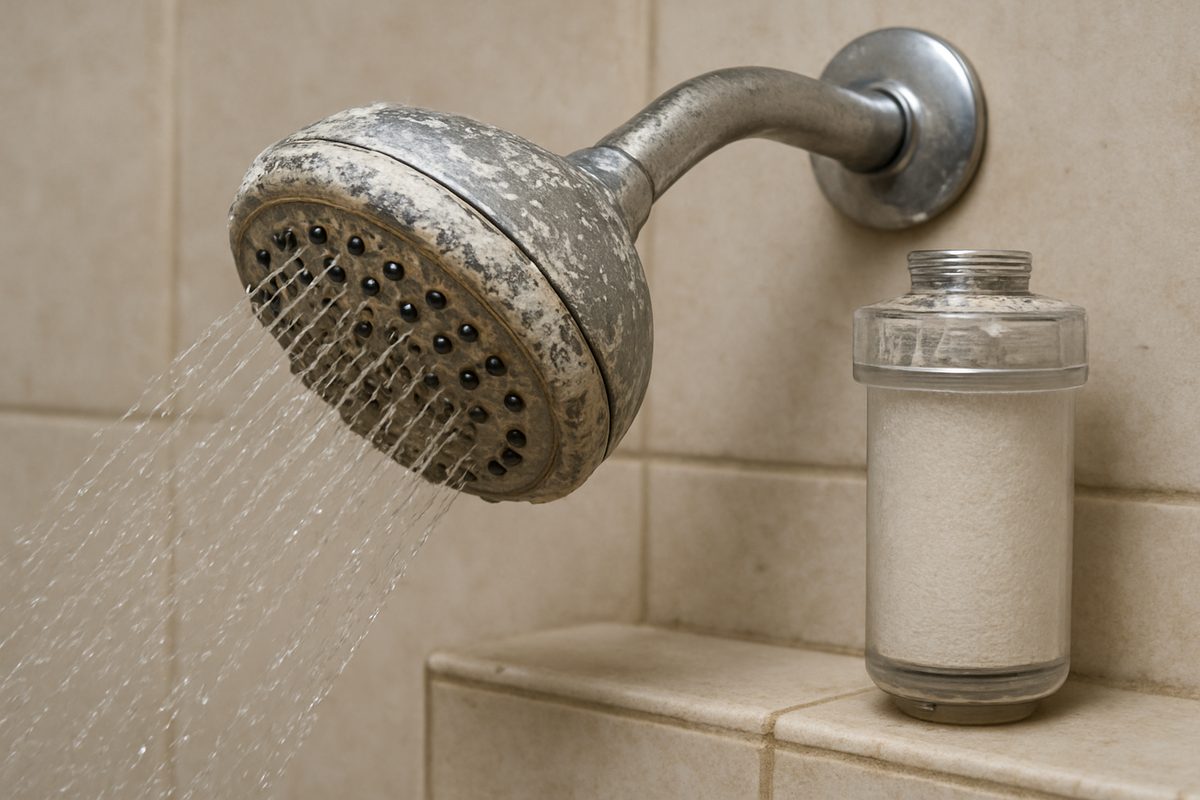
Identifying hard water isn't always obvious, but there are several tell-tale signs both in your home and on your hair. In your home, look for mineral buildup (limescale) on faucets, showerheads, and inside kettles. Your dishes might come out of the dishwasher with spots, and soap might not lather as effectively as you'd expect, leaving a film on your skin after showering. For your hair, the signs are even more direct: your hair might feel dry, stiff, or straw-like even after conditioning, your scalp could be itchy or flaky, and your hair color might fade faster than usual. A simple at-home test kit can also confirm your water's hardness level, giving you precise data to work with.
The Global Impact: Where is Hard Water Most Prevalent?
Hard water is a global phenomenon, not limited to any single region. In the United States, states like Florida, Indiana, Arizona, and parts of the Midwest and Southwest are notorious for having very hard water. Similarly, many areas in the UK, Australia, and parts of Europe and Asia also contend with high mineral content. This geographical prevalence means that a significant portion of the world's population is unknowingly battling the effects of hard water on their hair. Understanding if your location falls within one of these hard water zones is crucial for proactive hair care. Even if you're unsure, if you experience any of the symptoms mentioned above, it's worth investigating.
The Science of Hard Water Hair Damage: What Actually Happens
The interaction between hard water and your hair is more complex than just feeling dry. It involves a chemical and physical process that gradually degrades the hair's structure, leading to the visible symptoms of damage. Understanding this science helps in choosing the right protective measures and products. It's not just about rinsing; it's about counteracting mineral deposition.
Mineral Buildup: The Core Problem
When you wash your hair with hard water, the dissolved calcium and magnesium ions don't just rinse away. Instead, they react with the surfactants (cleansing agents) in your shampoo, forming a sticky, insoluble film. This film, often referred to as "soap scum," doesn't rinse easily and adheres to the hair shaft. Over time, these mineral deposits accumulate, creating a rough, uneven surface on each strand. This buildup prevents moisture from penetrating the hair, leading to dryness, and also makes the hair feel heavy, dull, and lifeless. For those with fine hair, this can mean a complete lack of volume, while thicker hair types might feel perpetually greasy or weighed down despite washing.
Impact on Hair Cuticle and Porosity
The hair cuticle, the outermost layer of the hair shaft, is like a protective shield made of overlapping scales. In healthy hair, these scales lie flat, reflecting light and locking in moisture. Hard water minerals, however, disrupt this structure. The mineral deposits lift the cuticle scales, making the hair rough and porous. When the cuticle is raised, hair becomes more vulnerable to damage from heat styling, environmental factors, and even everyday brushing. Increased porosity means the hair struggles to retain moisture, leading to chronic dryness, frizz, and a brittle texture. This also makes hair more susceptible to tangling and breakage, as the rough cuticles snag on each other.
Color Fading and Chemical Reactions
For color-treated hair, hard water is a particular nemesis. The minerals in hard water can react with hair dye molecules, causing them to oxidize and fade prematurely. This is why blondes might notice a brassy or greenish tint, and brunettes might see their rich tones turn dull or reddish. Beyond fading, the mineral buildup can also interfere with future chemical treatments, such as perms or relaxers, leading to uneven results or even increased damage. The minerals act as a barrier, preventing chemicals from penetrating the hair evenly, and can even accelerate oxidative processes, further compromising hair health and color longevity. Protecting your hair from hard water is an essential step in maintaining vibrant, long-lasting color.
Identifying Hard Water Damage: Signs and Symptoms
Recognizing the specific signs of hard water damage is key to addressing the problem effectively. Many people attribute these symptoms to product incompatibility or general hair health issues, unaware that their water supply is the true culprit. A careful observation of your hair's behavior and appearance can provide clear clues.
Dryness, Dullness, and Lack of Luster
One of the most common and immediate signs of hard water damage is persistent dryness and a noticeable lack of shine. Even after using moisturizing shampoos and conditioners, your hair might still feel parched and look dull, almost as if it's coated in a film. This is precisely what's happening: the mineral buildup prevents your hair from absorbing moisture effectively and creates a rough surface that doesn't reflect light. Instead of a smooth, glossy finish, you're left with hair that appears lifeless and feels rough to the touch. This dryness can also lead to increased static and flyaways, making styling a challenge.
Breakage, Frizz, and Tangling
Hard water makes hair more fragile and prone to breakage. As the minerals accumulate and lift the cuticle, the hair strands become weaker and less elastic. This increased fragility means that even gentle brushing or styling can lead to snapping and split ends. The lifted cuticles also contribute significantly to frizz, as the hair struggles to lay flat and absorb humidity evenly. Furthermore, the rough texture caused by mineral deposits makes hair prone to extreme tangling, turning a simple detangling session into a frustrating and damaging ordeal. You might notice more hair shedding than usual, especially after washing.
Scalp Irritation and Hair Thinning
It's not just the hair strands that suffer; your scalp is also highly susceptible to hard water's effects. Mineral buildup can accumulate on the scalp, leading to dryness, itchiness, and flakiness, often mistaken for dandruff. This irritation can disrupt the scalp's natural microbiome and even clog hair follicles, potentially impeding healthy hair growth. In severe cases, chronic inflammation and mineral deposits can contribute to hair thinning or even hair loss, as the follicles become stressed and unable to produce strong, healthy strands. If you've been experiencing persistent scalp issues without relief from standard treatments, hard water could be the underlying cause.
π Recommended Product: Mielle Rosemary Mint Scalp Oil
This invigorating oil is perfect for soothing an irritated scalp and promoting healthy growth, especially when dealing with the drying effects of hard water. Its natural ingredients help nourish the scalp and strengthen hair from the roots.
[Buy on Amazon: https://www.amazon.com/dp/B07BQWLHM8?tag=seperts-20]
Your Hard Water Hair Protection Plan: Step-by-Step Solutions
Protecting your hair from hard water damage requires a multi-faceted approach, combining specific products, washing techniques, and lifestyle adjustments. This step-by-step plan will guide you through building an effective defense strategy for your hair.
Step 1 of 5: Clarify and Detoxify Regularly
The first crucial step is to remove existing mineral buildup from your hair. This is where clarifying shampoos or chelating treatments come into play. Unlike regular shampoos, these products contain specific ingredients (chelating agents) that bind to minerals like calcium and magnesium, allowing them to be rinsed away.
- For Mild Buildup: Use a clarifying shampoo once every 1-2 weeks. Look for ingredients like EDTA (ethylenediaminetetraacetic acid) or phytic acid.
- For Severe Buildup: Consider a dedicated chelating treatment, which often has a higher concentration of active ingredients and might be used less frequently, perhaps once a month or as needed.
- Application: Apply to wet hair, lather well, and leave on for 2-5 minutes before rinsing thoroughly. Follow with a deeply moisturizing conditioner, as clarifying can sometimes be drying.
Step 2 of 5: Use a Hard Water Specific Shampoo and Conditioner
Once you've clarified, maintaining your hair's health requires daily or regular use of products designed to counteract hard water. Many brands now offer lines specifically formulated to minimize mineral deposition and protect hair from its effects.
- Key Ingredients: Look for shampoos and conditioners that explicitly state "for hard water" or contain chelating agents in their ingredient list (though often in lower concentrations than dedicated clarifiers). Ingredients like Vitamin C (ascorbic acid) can also help neutralize minerals.
- Sulfate-Free Options: While not directly related to hard water, many people with hard water damage also benefit from sulfate-free formulas, as they are generally gentler and less stripping, which is important for already compromised hair.
- Moisture Focus: Ensure your conditioner is deeply moisturizing, as hard water-prone hair is often dry. Ingredients like shea butter, argan oil, and hyaluronic acid can provide much-needed hydration.
Step 3 of 5: Incorporate Acidic Rinses and Treatments
Acidic rinses help to close the hair cuticle, which has been lifted by hard water minerals. A closed cuticle means smoother, shinier hair that is less prone to frizz and better able to retain moisture.
- Apple Cider Vinegar (ACV) Rinse: A popular natural remedy. Mix 1-2 tablespoons of organic ACV with 1 cup of water. After shampooing and conditioning, pour the mixture over your hair and scalp. Let it sit for 1-2 minutes, then rinse thoroughly with cool water. Use once a week or every other week.
- Lemon Juice Rinse: Similar to ACV, lemon juice is acidic. Mix the juice of half a lemon with 1 cup of water. Use as an ACV rinse. Be cautious with lemon juice on light-colored hair, as it can have a mild lightening effect with sun exposure.
- Commercial Acidic Treatments: Many professional haircare lines offer pH-balancing or acidic rinse treatments designed to restore the hair's optimal pH level and smooth the cuticle. These can be excellent alternatives if DIY rinses aren't appealing.
Step 4 of 5: Deep Condition and Mask Regularly
Hard water-damaged hair is almost always moisture-deprived. Regular deep conditioning and hair masks are non-negotiable for restoring hydration, elasticity, and overall health.
- Frequency: Aim for a deep conditioning treatment or hair mask at least once a week, or twice a week if your hair is severely damaged.
- Ingredients to Look For: Hyaluronic acid, ceramides, keratin, natural oils (argan, coconut, jojoba), and shea butter are excellent for deep hydration and repair.
- Application: After shampooing, apply the mask generously from mid-lengths to ends, focusing on areas of most damage. Leave on for the recommended time (usually 5-20 minutes), or even longer for an intensive treatment (some can be left overnight). Use a shower cap to trap heat, which helps the ingredients penetrate deeper.
π Recommended Product: Olaplex No.3 Hair Perfector
This cult-favorite treatment is a game-changer for repairing damaged hair bonds, making it incredibly beneficial for hair weakened by hard water. It restores strength and integrity, leaving hair noticeably healthier and more resilient.
[Buy on Amazon: https://www.amazon.com/dp/B01MSSDEPK?tag=seperts-20]
Step 5 of 5: Protect and Prevent Further Damage
Beyond washing and treating, daily protection and preventative measures are crucial to minimize hard water's ongoing impact.
- Leave-In Conditioners/Oils: Apply a leave-in conditioner or a few drops of lightweight hair oil to damp hair before styling. This creates a protective barrier, locks in moisture, and helps smooth the cuticle.
- Heat Protectants: Always use a heat protectant spray or serum before using heat styling tools. Hard water-damaged hair is already fragile, and heat can exacerbate breakage.
- Shower Filters: This is arguably the most effective long-term solution. Installing a shower filter specifically designed to remove or neutralize minerals (like KDF filters or those containing activated carbon) can significantly reduce the amount of hard water minerals your hair is exposed to during every wash. This is a proactive measure that tackles the problem at its source.
- Limit Washing: If possible, try to extend the time between washes. The less frequently your hair is exposed to hard water, the less mineral buildup will occur. Dry shampoo can be your best friend on non-wash days.
The Best Products for Hard Water Hair: Shampoos, Conditioners, and Treatments
Navigating the haircare aisle for hard water solutions can be overwhelming. As an expert from ShampooGarage, I've tested countless products, and I can tell you that specific formulations make all the difference. Hereβs a breakdown of what to look for and some top recommendations.
Chelating Shampoos: Your First Line of Defense
Chelating shampoos are specifically designed to strip away mineral buildup. They contain ingredients that bind to metal ions, allowing them to be rinsed from the hair. These are essential for anyone dealing with hard water.
| Product Type | Key Ingredients | Benefits for Hard Water | Recommended Use |
|---|---|---|---|
| Malibu C Hard Water Wellness Shampoo | Ascorbic Acid, EDTA, Glucose | Specifically formulated to remove mineral buildup, restore shine, prevent discoloration. | Weekly or bi-weekly |
| Living Proof Clarifying Detox Shampoo | Chelating agents, activated charcoal | Deeply cleanses, removes buildup from minerals, pollution, and product residue without stripping. | Once a week |
| Bumble and bumble Sunday Shampoo | Rosemary Leaf Extract, Salicylic Acid | Strong clarifier for occasional deep cleansing, removes heavy buildup. | Monthly or as needed |
| OUAI Detox Shampoo | Apple Cider Vinegar, Chelating Agents | Gently removes impurities, product, and hard water deposits, leaving hair soft. | Weekly |
Expert Tip: While powerful, chelating shampoos can be drying. Always follow with a rich, moisturizing conditioner or a deep conditioning mask.
Moisturizing Conditioners and Masks: Rehydration is Key
After removing mineral buildup, replenishing moisture is paramount. Hard water leaves hair parched, so your conditioners and masks need to be intensely hydrating and reparative.
- Deeply Hydrating Conditioners: Look for ingredients like hyaluronic acid, shea butter, argan oil, and ceramides. These help to seal the cuticle and lock in moisture.
- Recommendation: Moroccanoil Hydrating Conditioner β packed with argan oil and vitamins, it provides intense moisture without weighing hair down.
- Recommendation: Cantu Shea Butter Leave-In Conditioner β excellent for all hair types, especially textured hair, to provide lasting moisture and combat dryness.
- Repairing Hair Masks: Use a mask at least once a week. These deliver a concentrated dose of nutrients and repair agents.
- Recommendation: Olaplex No.3 Hair Perfector β while not a traditional mask, it repairs disulfide bonds broken by damage, including that caused by hard water.
- Recommendation: SheaMoisture Curl Enhancing Smoothie β for curly hair, this provides intense moisture and definition, helping combat the frizz and dryness from hard water.
Leave-In Treatments and Oils: Daily Protection
A good leave-in product provides a protective barrier against environmental aggressors and helps maintain moisture throughout the day.
- Leave-In Conditioners: These detangle, smooth, and provide a light layer of hydration and protection.
- Recommendation: It's a 10 Miracle Leave-In Product β offers multiple benefits including detangling, frizz control, and heat protection, which is crucial for hard water-damaged hair.
- Hair Oils: Lightweight oils can add shine, smooth frizz, and provide a protective layer without making hair greasy.
- Recommendation: Moroccanoil Treatment Oil β a classic for its ability to condition, detangle, and add shine. A few drops go a long way.
- Recommendation: Mielle Rosemary Mint Scalp Oil β while primarily for the scalp, a tiny amount can be worked through the ends for added nourishment and shine.
Water Filters: The Ultimate Prevention
While not a product applied to hair, a shower filter is arguably the most effective long-term solution for hard water. It addresses the problem at its source.
- Types of Filters: Look for filters that specifically target chlorine, heavy metals, and minerals. KDF (Kinetic Degradation Fluxion) filters are excellent for this.
- Installation: Most shower filters are easy to install between your existing shower arm and showerhead.
- Benefits: Reduces mineral buildup on hair and skin, improves lathering of soaps and shampoos, and can extend the life of your hair color.
Expert Tip: Even with a filter, occasional clarifying is still beneficial, as some minerals may still get through, or product buildup can occur.
Long-Term Strategies: Water Filters and Lifestyle Adjustments
While specialized products can help manage the symptoms of hard water damage, truly protecting your hair in the long run requires addressing the source of the problem and adopting sustainable haircare habits. This includes investing in water filtration and making conscious lifestyle adjustments.
Installing a Shower Filter: The Game Changer
This is hands down the most impactful long-term strategy for anyone living in a hard water area. A shower filter works by removing or neutralizing the minerals and chemicals (like chlorine) present in your water before they even touch your hair and skin.
- How They Work: Most effective shower filters use a multi-stage filtration process. KDF (Kinetic Degradation Fluxion) media is excellent for reducing chlorine, heavy metals, and some minerals. Activated carbon also helps with chlorine and other impurities. Some filters also incorporate calcium sulfite or ceramic balls to further target mineral ions.
- Benefits:
- Direct Prevention: Significantly reduces the amount of calcium and magnesium that comes into contact with your hair, preventing buildup.
- Improved Hair Health: Hair feels softer, looks shinier, and is less prone to dryness, frizz, and breakage because its natural moisture balance is preserved.
- Better Product Performance: Shampoos and conditioners lather more effectively and rinse out cleaner, allowing their active ingredients to work optimally.
- Color Protection: Helps prevent premature fading and discoloration of color-treated hair.
- Skin Benefits: Also beneficial for skin, reducing dryness and irritation.
- Choosing a Filter: Look for filters specifically advertised for hard water and mineral reduction. Read reviews and check the filter's lifespan. Installation is typically very easy, screwing directly onto your shower arm.
Whole-House Water Softeners: The Ultimate Solution
For those committed to eliminating hard water issues throughout their entire home, a whole-house water softener is the ultimate investment.
- How They Work: These systems use an ion-exchange process to remove hard water minerals (calcium and magnesium) from all the water entering your home. They replace these "hard" ions with "soft" ions, typically sodium or potassium.
- Benefits Beyond Hair:
- Comprehensive Protection: Soft water for all taps, not just the shower.
- Appliance Longevity: Prevents limescale buildup in pipes, water heaters, dishwashers, and washing machines, extending their lifespan and improving efficiency.
- Reduced Cleaning: Less soap scum on fixtures and dishes.
- Considerations: Whole-house softeners are a significant investment and require professional installation and ongoing maintenance (replenishing salt). However, for severe hard water issues, the benefits can outweigh the cost.
Adjusting Your Washing Routine
Even with a filter, slight adjustments to your washing routine can further protect your hair.
- Cooler Water Rinses: While you might start with warm water for shampooing to open the cuticle, finishing your rinse with cooler water helps to seal the cuticle. A closed cuticle is smoother, reflects light better, and is less susceptible to mineral penetration.
- Minimize Washing Frequency: The less often your hair is exposed to hard water, the better. Try to extend the time between washes using dry shampoo or protective styles. For many, washing every 2-3 days is ideal, but listen to your hair.
- Gentle Cleansing: When you do wash, be gentle. Massage your scalp rather than scrubbing aggressively, and avoid piling all your hair on top of your head, which can create tangles.
Protective Styling and Hair Care Habits
Beyond the shower, your daily habits play a role in mitigating hard water damage.
- Protective Hairstyles: Braids, buns, or twists can protect your hair from environmental stressors and reduce the need for frequent washing and heat styling.
- Silk Pillowcases: Sleeping on a silk or satin pillowcase reduces friction on your hair, preventing breakage that hard water-damaged hair is already prone to.
- Regular Trims: Hard water can exacerbate split ends. Regular trims (every 8-12 weeks) help keep your ends healthy and prevent damage from traveling up the hair shaft.
- Limit Heat Styling: Hard water-damaged hair is more fragile. Minimize the use of heat styling tools, and always use a high-quality heat protectant when you do.
- Diet and Hydration: Healthy hair starts from within. Ensure you're consuming a balanced diet rich in vitamins and minerals essential for hair health, and stay well-hydrated.
Hard Water Haircare for Specific Hair Types
Hard water affects all hair types, but the manifestation of damage and the most effective solutions can vary significantly depending on your hair's unique characteristics. Tailoring your approach is crucial for optimal results.
Fine and Oily Hair
Fine hair is particularly susceptible to being weighed down and looking greasy due to hard water mineral buildup. The minerals can make already delicate strands feel even finer, limp, and lifeless, while simultaneously irritating the scalp, which can paradoxically trigger more oil production.
- Challenges: Lack of volume, greasy roots, dullness, increased tangling, and potential for scalp irritation.
- Solutions:
- Lightweight Clarifying: Use a gentle clarifying shampoo with chelating agents weekly, focusing on the scalp. Avoid harsh clarifiers that can strip too much oil, leading to rebound oiliness.
- Volumizing & Balancing Products: Opt for lightweight, volumizing shampoos and conditioners that won't add to the buildup. Look for formulas that balance scalp oil without over-drying.
- Acidic Rinses: Regular ACV rinses can be highly beneficial for fine, oily hair. They help to remove residue, close the cuticle for shine, and balance scalp pH, which can reduce oiliness.
- Dry Shampoo: Use dry shampoo on non-wash days to extend time between washes and absorb excess oil, minimizing hard water exposure.
- Shower Filter: Essential for preventing the initial buildup that weighs down fine hair.
Thick and Coarse Hair
Thick and coarse hair types, including many ethnic hair textures, often feel incredibly dry, brittle, and unmanageable when exposed to hard water. The mineral buildup makes it difficult for moisture to penetrate the hair shaft, leading to a perpetual state of dehydration and frizz.
- Challenges: Extreme dryness, brittleness, frizz, difficulty detangling, dullness, and potential for color fading.
- Solutions:
- Stronger Chelating: Thick hair can often handle more potent chelating shampoos or treatments, perhaps every 2-4 weeks, to thoroughly remove deep-seated mineral deposits.
- Intense Hydration: Prioritize rich, creamy, deeply moisturizing shampoos and conditioners. Look for ingredients like shea butter, coconut oil, argan oil, and ceramides.
- Deep Conditioning Masks: Weekly or bi-weekly use of a heavy-duty hair mask is non-negotiable. Consider leaving masks on for longer periods (30+ minutes) or using heat (e.g., a warm towel or steamer) to aid penetration.
- Leave-In Conditioners & Oils: Layering a rich leave-in conditioner followed by a sealing oil (like castor oil or jojoba oil) on damp hair will help lock in moisture and provide a protective barrier.
- Protective Styling: Embrace protective styles like braids, twists, or buns to minimize manipulation and exposure to hard water.
Color-Treated Hair
Color-treated hair is particularly vulnerable to hard water damage, as minerals can react with dye molecules, leading to premature fading, brassiness, and unwanted tonal changes. The lifted cuticle from hard water also makes it harder for color to stay locked in.
- Challenges: Rapid color fading, brassiness (especially for blondes), dullness, and increased damage from chemical processing.
- Solutions:
- Color-Safe Chelating Shampoos: Use clarifying shampoos specifically formulated to be color-safe, or those with gentler chelating agents. Use sparingly, perhaps once a month, to avoid stripping color.
- Color-Protecting Products: Invest in shampoos and conditioners designed for color-treated hair, which often contain UV filters and ingredients to help seal the cuticle and prevent fading.
- Acidic Rinses: ACV or commercial acidic rinses are excellent for color-treated hair. They help to close the cuticle, which locks in color and adds shine, counteracting the dulling effects of hard water.
- Leave-In UV Protection: Many leave-in conditioners and styling products offer UV protection, which further safeguards color from environmental fading.
- Shower Filter: Absolutely essential for color-treated hair. It's the best way to prevent minerals from interacting with your dye and causing premature fading or discoloration.
- Professional Treatments: Consult your stylist about in-salon chelating treatments before color services to ensure an even application and vibrant, long-lasting results.
Case Study: 4C Hair β Before/After
Before: Sarah, with beautiful 4C coily hair, struggled with extreme dryness, frizz, and a constant feeling of product buildup, despite using hydrating products. Her coils lacked definition, and detangling sessions were a nightmare, often resulting in significant breakage. Her hair stylist noted a dullness and a slight reddish-brown tint appearing in her naturally dark hair, which wasn't from dye. Sarah lived in an area known for very hard water.
After: Sarah installed a multi-stage shower filter and integrated a chelating shampoo into her routine once every three weeks. She switched to a sulfate-free, deeply moisturizing shampoo and conditioner, followed by a generous application of a leave-in conditioner and a heavy oil blend (like castor and jojoba) on wash days. She also started doing a weekly apple cider vinegar rinse. Within two months, the transformation was remarkable. Her hair felt significantly softer and more pliable. The dryness and frizz were drastically reduced, and her coils began to clump and define beautifully. Detangling became much easier with less breakage. The reddish tint disappeared, and her hair regained its natural luster and deep color. The shower filter was the foundational change, allowing her other hydrating products to finally penetrate and work effectively.
Frequently Asked Questions
Q: Can hard water cause hair loss?
A: While hard water doesn't directly cause genetic hair loss, the mineral buildup can clog hair follicles and irritate the scalp, potentially leading to inflammation and weakening of the hair shaft. This can contribute to increased hair shedding and breakage, which might appear as thinning over time.
Q: How often should I use a clarifying shampoo for hard water?
A: For most people in hard water areas, using a clarifying or chelating shampoo once every 1-2 weeks is sufficient. If your water is extremely hard or you use a lot of styling products, you might increase it to once a week. Always follow with a deeply moisturizing conditioner or mask.
Q: Will a shower filter completely solve my hard water hair problems?
A: A shower filter is the most effective long-term solution as it significantly reduces mineral exposure. While it won't completely eliminate all issues (some minerals may still pass through, and product buildup can still occur), it will drastically improve your hair's health and the efficacy of your haircare products. It's a game-changer but should be combined with other protective measures.
Q: Can hard water change my hair color?
A: Yes, hard water can absolutely affect hair color. Minerals like iron and copper can react with hair dye molecules, causing premature fading, dullness, and even unwanted brassy, orange, or greenish tones, especially in blonde or lightened hair.
Q: Is it okay to wash my hair with bottled water if I have hard water?
A: While impractical for regular washing, using bottled or distilled water for a final rinse can be beneficial in the short term, especially for very damaged or color-treated hair. It ensures no new mineral deposits are left on the hair. However, a shower filter is a more sustainable and cost-effective solution.
Q: What ingredients should I look for in products for hard water hair?
A: Look for chelating agents like EDTA (ethylenediaminetetraacetic acid), phytic acid, or citric acid in shampoos. For conditioners and masks, prioritize intensely hydrating ingredients like shea butter, argan oil, hyaluronic acid, and ceramides to combat dryness.
Q: Does hard water affect specific hair types more than others?
A: While all hair types are affected, fine hair can become limp and greasy, thick/coarse hair can become extremely dry and brittle, and color-treated hair is prone to rapid fading and discoloration. Each hair type requires a slightly tailored approach to hard water protection.
Q: Can I make my own hard water hair rinse at home?
A: Yes, an apple cider vinegar (ACV) rinse is a popular and effective DIY solution. Mix 1-2 tablespoons of organic ACV with 1 cup of water. After shampooing and conditioning, pour over your hair and scalp, let sit for 1-2 minutes, then rinse thoroughly. Use once a week or every other week.
Conclusion
Living in a hard water area doesn't mean resigning yourself to dull, dry, and damaged hair. By understanding the science behind hard water's impact and implementing a strategic haircare plan, you can effectively protect your tresses and restore their natural health and vibrancy. From investing in a quality shower filter to incorporating chelating shampoos, deep conditioning treatments, and acidic rinses, every step contributes to building a resilient defense against mineral buildup. Remember to tailor your approach to your specific hair type, ensuring that your products and routine provide the targeted care your hair truly needs. With consistency and the right tools, you can transform your hard water hair woes into a story of healthy, radiant locks.
Ready to find your perfect haircare match? Browse our full product reviews at ShampooGarage and discover what actually works for your hair type.
This article contains Amazon affiliate links. If you purchase through them, ShampooGarage earns a small commission at no extra cost to you.
Top Beauty Guides Products We Recommend
#ad β As an Amazon Associate we earn from qualifying purchases.
Reader Reactions
AI-simulated community engagementβCommunity Comments
Okay, this article is hitting home! I'm 6 months into my natural journey and I swear my hair has been feeling extra dry lately, especially after washes. I'm definitely looking into a shower filter now, because my coils need all the help they can get.
OMG, this is so real! My bright pink hair always felt kinda dull after washing, and I swear it's because of the hard water at my old apartment. Switching to a shower filter made such a difference.
This is so real! I swear my Kerastase treatments just don't hit the same when I'm visiting my sister in Arizona with their notoriously hard water. Definitely notice more dullness and breakage.
Some engagement metrics include AI-simulated activity from the Taciturn Studios Swarm Network. Real reader comments are always welcome below.


