BREAKING
πŸ†• New Review: Dyson Airwrap 2025 β€” Is It Worth $600?β—†πŸ”₯ Best Seller: Moroccanoil Treatment is 20% off on Amazon todayβ—†πŸ’„ Just Reviewed: Fenty Beauty Pro Filt'r Foundation β€” 40 Shades Testedβ—†βœ‚οΈ Guide: How to Choose the Right Scissors for Your Hair Typeβ—†πŸŒΏ Natural Hair: Our Top 10 Jamaican Black Castor Oils Rankedβ—†πŸ’§ Sulfate-Free Shampoos: The 15 Best for Color-Treated Hair◆⭐ Editor's Pick: Olaplex No. 3 β€” Still the Best Bond Builder?β—†πŸ›’ Amazon Deals: Top Beauty Products Under $25 This Weekβ—†πŸ†• New Review: Dyson Airwrap 2025 β€” Is It Worth $600?β—†πŸ”₯ Best Seller: Moroccanoil Treatment is 20% off on Amazon todayβ—†πŸ’„ Just Reviewed: Fenty Beauty Pro Filt'r Foundation β€” 40 Shades Testedβ—†βœ‚οΈ Guide: How to Choose the Right Scissors for Your Hair Typeβ—†πŸŒΏ Natural Hair: Our Top 10 Jamaican Black Castor Oils Rankedβ—†πŸ’§ Sulfate-Free Shampoos: The 15 Best for Color-Treated Hair◆⭐ Editor's Pick: Olaplex No. 3 β€” Still the Best Bond Builder?β—†πŸ›’ Amazon Deals: Top Beauty Products Under $25 This Weekβ—†
Back to Blog
Product ComparisonsSaturday, April 11, 2026ShampooGarage Editorial

Ionic vs Ceramic vs Titanium Hair Dryers: What the Science Actually Says in 2026

Ionic vs Ceramic vs Titanium Hair Dryers: What the Science Actually Says in 2026

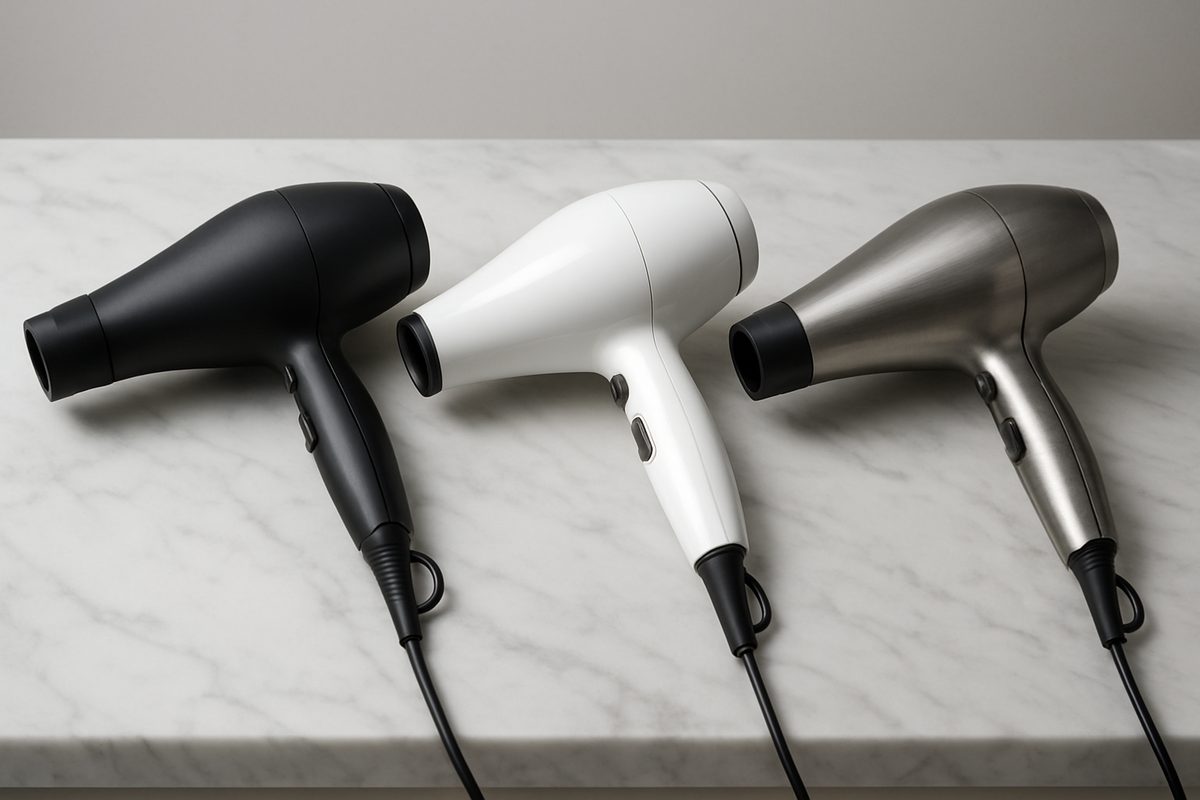
Ionic vs Ceramic vs Titanium Hair Dryers is defined as a comparison of the distinct heating and drying technologies employed in modern hair dryers, each designed to optimize hair health, speed, and styling results. Understanding the scientific principles behind ionic, ceramic, and titanium elements is crucial for selecting the best tool for your specific hair type and styling needs in 2026, ensuring less damage and more efficient drying. This knowledge empowers consumers to make informed choices that protect their hair's integrity while achieving desired looks.

Table of Contents

  1. The Fundamental Science of Hair Drying: Heat, Airflow, and Moisture
  2. Decoding Ionic Hair Dryers: The Power of Negative Ions
  3. Ceramic Hair Dryers: Gentle, Even Heat Distribution
  4. Titanium Hair Dryers: Intense Heat for Rapid Drying
  5. Ionic vs Ceramic vs Titanium: A Head-to-Head Comparison
  6. Choosing the Right Dryer for Your Hair Type in 2026
  7. Beyond the Core Technologies: Advanced Features and Maintenance

The Fundamental Science of Hair Drying: Heat, Airflow, and Moisture

At its core, hair drying is the process of removing water molecules from the hair shaft. This is achieved primarily through two mechanisms: evaporation and disruption of hydrogen bonds. When heat is applied, water molecules gain kinetic energy and transition from liquid to vapor, lifting away from the hair. Simultaneously, the airflow generated by the dryer helps to carry away this moist air, preventing it from settling back onto the hair and accelerating the drying process. However, this seemingly simple process has a delicate balance. Excessive heat or prolonged drying can strip the hair of its natural moisture, leading to damage, frizz, and breakage. The goal of advanced hair dryer technologies, such as ionic, ceramic, and titanium, is to optimize this process, making it faster, safer, and more beneficial for hair health. They aim to reduce drying time while minimizing the damaging effects of heat, often by influencing how water molecules interact with the hair and how heat is transferred. Understanding these fundamentals is the first step in appreciating the nuances of each dryer type.

The Role of Hydrogen Bonds in Hair Structure

Hair is primarily composed of keratin proteins, which are held together by various bonds, including disulfide bonds, salt bonds, and crucially for styling, hydrogen bonds. Hydrogen bonds are temporary bonds that form between water molecules and the keratin proteins in your hair. When your hair is wet, these bonds are broken, making the hair pliable and allowing it to be reshaped. As your hair dries, new hydrogen bonds form, locking the hair into its new style. This is why styling wet hair and letting it dry in a particular shape (e.g., with rollers or a brush) can create lasting results. However, excessive heat can permanently alter these protein structures, leading to weakened hair that is prone to damage. The challenge for hair dryer technology is to facilitate the efficient reformation of these bonds into a desired style without compromising the hair's structural integrity.

Understanding Heat Transfer: Conduction, Convection, and Radiation

Heat transfer in hair dryers occurs through a combination of conduction, convection, and radiation. Conduction is the direct transfer of heat from the heating element to the air and, subsequently, to the hair when in direct contact. Convection is the transfer of heat through the movement of heated air, which is the primary method of drying. Hot air currents blow over the wet hair, carrying away moisture. Radiation, though less dominant, involves the emission of electromagnetic waves that transfer energy to the hair. Different hair dryer technologies manipulate these forms of heat transfer to achieve specific results. For instance, ceramic dryers often utilize infrared heat, a form of radiant heat, which penetrates the hair shaft more gently. Titanium, on the other hand, excels at generating and maintaining high, consistent temperatures, primarily through convection, for rapid drying. The controlled application and distribution of these heat types are what differentiate a good dryer from a damaging one.

The Impact of Airflow on Drying Efficiency and Frizz

Beyond heat, airflow is a critical component of effective hair drying. A powerful, consistent airflow not only speeds up the evaporation of water but also helps to smooth the hair cuticle. When water evaporates too slowly, or when hair is dried with inconsistent, turbulent airflow, the cuticle layers can lift, leading to frizz. High-quality hair dryers are engineered with powerful motors and optimized fan designs to produce a smooth, concentrated airflow that dries hair quickly and efficiently without causing excessive friction or disturbance to the cuticle. This is particularly important for those with textured or fine hair, where frizz is a common concern. A well-designed nozzle or diffuser further refines this airflow, allowing for targeted drying and styling, which is essential for achieving sleek, shiny results or defining natural curls without disruption.

Decoding Ionic Hair Dryers: The Power of Negative Ions

Ionic hair dryers represent a significant leap in hair drying technology, leveraging the power of negative ions to transform the drying process. The core principle behind these dryers is a built-in ion generator that emits millions of negatively charged ions into the airflow. When these negative ions come into contact with the positively charged water molecules on your hair, they cause the water molecules to break down into smaller micro-molecules. This process allows the water to evaporate much faster, significantly reducing drying time. More importantly, these smaller water molecules can penetrate the hair shaft, rehydrating the hair from the inside out, rather than just drying the surface. This leads to several benefits, including smoother cuticles, reduced frizz, and enhanced shine. For anyone battling frizz or seeking a quicker, gentler drying experience, understanding the science of negative ions is key to appreciating the value of an ionic dryer.

The Chemistry of Negative Ions and Water Molecules

To truly grasp how ionic dryers work, we need to delve into a bit of basic chemistry. Water molecules, Hβ‚‚O, are polar, meaning they have a slight positive charge on one end (hydrogen atoms) and a slight negative charge on the other (oxygen atom). When hair is wet, these water molecules cling to the hair shaft. Traditional dryers use heat and airflow to simply evaporate these molecules. Ionic dryers introduce a new element: negative ions. These ions are atoms or molecules that have gained one or more extra electrons, giving them a net negative charge. When the negative ions emitted by the dryer meet the positively charged ends of the water molecules on your hair, they are attracted to each other. This interaction causes the water molecules to cluster less and break down into smaller, more manageable particles. This breakdown is crucial because smaller water particles evaporate more quickly and can also be absorbed more easily by the hair, promoting internal hydration.

Benefits for Hair Health: Frizz Reduction and Shine Enhancement

The primary and most celebrated benefits of ionic hair dryers are their ability to drastically reduce frizz and significantly boost hair's natural shine. When hair is dried with traditional heat, the hair's cuticle layers can lift, allowing moisture to escape and leading to a rough, frizzy appearance. The negative ions from an ionic dryer help to seal the hair's cuticle. By breaking down water molecules into smaller sizes, they facilitate quicker drying at lower temperatures, which means less exposure to damaging heat. Furthermore, the smaller water molecules that penetrate the hair shaft help to maintain the hair's natural moisture balance, preventing it from drying out. The sealed cuticle reflects light more effectively, resulting in a noticeably smoother, shinier, and healthier-looking finish. This is particularly beneficial for those with fine, color-treated, or frizz-prone hair, as it minimizes damage and enhances overall hair appearance.

Considerations for Different Hair Types

While ionic technology offers numerous advantages, its suitability can vary slightly depending on hair type. For most hair types, especially those prone to frizz, fine, or color-treated hair, ionic dryers are an excellent choice due to their cuticle-sealing and frizz-reducing properties. They help to maintain moisture and prevent heat damage. However, for individuals with very fine, limp, or oily hair, an ionic dryer might sometimes flatten the hair too much, potentially reducing volume. This is because the smoothing effect of negative ions can sometimes be too effective, leading to a sleek but less voluminous style. In such cases, some stylists recommend using an ionic dryer on a lower setting or alternating with a non-ionic dryer for added lift at the roots. It's also worth noting that while ionic dryers are generally faster, the degree of speed increase can depend on the hair's density and length.


πŸ’„ Recommended Product: Dyson Supersonic Hair Dryer
This premium dryer incorporates advanced ionic technology with intelligent heat control, preventing extreme heat damage and protecting your hair's natural shine. Its powerful digital motor and Air Multiplier technology ensure ultra-fast drying.
[Buy on Amazon: https://www.amazon.com/dp/B01LXQGPQP?tag=seperts-20]

Ceramic Hair Dryers: Gentle, Even Heat Distribution

Ceramic hair dryers are renowned for their ability to provide gentle, consistent, and even heat distribution, making them a favorite among those concerned about heat damage. The "ceramic" in these dryers refers to the material used for the heating element, or sometimes as a coating over other materials. Ceramic is a non-metallic, inorganic material known for its excellent heat conductivity and ability to emit far-infrared heat. Unlike conventional metal heating elements that can create intense hot spots, ceramic elements heat up quickly and maintain a stable, uniform temperature across the airflow. This even heat distribution prevents overheating in specific areas of the hair, significantly reducing the risk of damage. Furthermore, many ceramic dryers also incorporate ionic technology, offering a dual benefit of gentle heat and frizz reduction. This combination makes ceramic dryers a versatile and hair-friendly option for a wide range of hair types.

The Science of Far-Infrared Heat

One of the key advantages of ceramic hair dryers is their ability to emit far-infrared heat. Unlike conventional heat that heats the surface of the hair, far-infrared heat penetrates the hair shaft from the inside out. This means that the hair dries more efficiently and quickly, as the water molecules within the hair are heated directly, causing them to evaporate from the core. This "inside-out" drying method is significantly gentler on the hair cuticle. When the cuticle remains undisturbed, it lies flat, resulting in smoother, shinier hair with less frizz. Additionally, because the heat is more evenly distributed and penetrates deeply, less overall heat is required to dry the hair effectively, further minimizing the risk of heat damage. This makes ceramic dryers particularly beneficial for delicate, damaged, or color-treated hair that is more susceptible to external heat stress.

Benefits for Damaged and Color-Treated Hair

For individuals with damaged, fine, or color-treated hair, ceramic hair dryers are often the recommended choice. The gentle, even heat distribution and the use of far-infrared technology minimize the risk of scorching or over-drying, which can exacerbate existing damage or strip color. Color-treated hair is often more porous and vulnerable to heat, making the consistent and lower-temperature drying of ceramic dryers ideal. By drying the hair from the inside out, ceramic dryers help to preserve the hair's natural moisture, which is crucial for maintaining the vibrancy of hair color and the overall health of the hair shaft. They reduce the likelihood of split ends and breakage that can result from aggressive drying. The result is hair that feels softer, looks healthier, and retains its color longer, making ceramic a go-to technology for protective styling.

How Ceramic Differs from Standard Metal Heating Elements

The distinction between ceramic and standard metal heating elements (like nichrome wire) lies primarily in their heat output and distribution. Standard metal elements tend to heat up very quickly and can create inconsistent "hot spots" within the airflow. This uneven heating means that some sections of your hair might be exposed to dangerously high temperatures while others remain damp, leading to uneven drying and potential damage. Ceramic, conversely, acts as a natural insulator and conductor. It heats up more gradually but then maintains a very stable and uniform temperature. When ceramic is used as a coating, it helps to distribute the heat generated by the underlying metal element more evenly. When it's the primary heating element, it inherently produces a more consistent, gentle heat. This superior temperature control is what makes ceramic dryers a safer and more effective option for protecting hair from thermal stress.

Titanium Hair Dryers: Intense Heat for Rapid Drying

Titanium hair dryers are engineered for speed and efficiency, making them a top choice for those with thick, coarse, or long hair that typically takes a long time to dry. Titanium is a lightweight metal known for its strength, durability, and excellent heat conductivity. In hair dryers, titanium heating elements heat up very quickly and maintain a consistently high temperature. This intense and stable heat output, combined with powerful airflow, allows for exceptionally fast drying times. While the high heat might sound intimidating, the advantage of titanium lies in its ability to dry hair so rapidly that the overall exposure time to heat is significantly reduced. This makes it a powerful tool for professionals and individuals who need to dry their hair quickly and efficiently, though it requires careful use to prevent potential heat damage.

The Thermal Properties of Titanium

Titanium's thermal properties are what set these dryers apart. It's an excellent conductor of heat, meaning it transfers heat efficiently and quickly. Once heated, titanium maintains a very stable and high temperature. This consistency is key to its rapid drying capabilities. Unlike some other materials that might fluctuate in temperature, titanium provides a steady stream of hot air, ensuring that every section of hair receives consistent heat. This means fewer passes are needed over each section, which contributes to the overall reduction in drying time. Additionally, titanium is incredibly lightweight, making these dryers comfortable to hold for extended periods, a significant advantage for those with a lot of hair or for professional stylists. The combination of rapid heating, stable high temperature, and lightweight design makes titanium a powerhouse material for hair drying.

Best Suited for Thick, Coarse, or Textured Hair

Titanium hair dryers truly shine when used on thick, coarse, or highly textured hair types, including 3C, 4A, 4B, and 4C curls. These hair types naturally hold more water and can take a very long time to dry with less powerful dryers, leading to prolonged heat exposure. The high, consistent heat and powerful airflow of titanium dryers cut through this moisture quickly, drastically reducing drying time. For those with dense hair, this means less time spent under direct heat, which paradoxically can lead to less overall damage than a longer drying session with a weaker dryer. While the heat is intense, its efficiency minimizes the duration of exposure. However, users with these hair types should always use a high-quality heat protectant to shield their strands and avoid holding the dryer in one spot for too long. The goal is rapid, efficient drying, not scorching.

Potential Risks and How to Mitigate Them

While titanium dryers offer unparalleled speed, their high heat output does come with potential risks, particularly for those with fine, damaged, or color-treated hair. Excessive heat can strip hair of its natural oils, leading to dryness, brittleness, and even protein damage. For these hair types, the intense heat of a titanium dryer might be too aggressive, potentially causing more harm than good.

To mitigate these risks, especially for those with sensitive hair types who still desire faster drying, consider the following:

  • Heat Protectant is Non-Negotiable: Always apply a high-quality heat protectant spray or serum before drying. This creates a barrier between your hair and the heat.
  • Lower Heat/Speed Settings: Many titanium dryers come with adjustable heat and speed settings. Start with a lower heat setting and a medium speed.
  • Keep Moving: Never hold the dryer in one spot for too long. Keep it constantly moving to distribute heat evenly.
  • Maintain Distance: Hold the dryer at least 6-8 inches away from your hair.
  • Pre-Dry: Towel-dry your hair thoroughly before using the dryer to remove excess water, reducing the overall drying time needed.
  • Limit Use: If your hair is particularly fragile, consider limiting the frequency of using a titanium dryer or reserving it for occasions when speed is paramount.

πŸ’„ Recommended Product: Revlon One-Step Hair Dryer Brush
While not a pure titanium dryer, this popular tool often incorporates titanium-ceramic coatings for fast, even heat. It's a great option for those with thick hair looking to dry and style quickly, combining a brush and dryer in one.
[Buy on Amazon: https://www.amazon.com/dp/B01LSUQSB0?tag=seperts-20]

Ionic vs Ceramic vs Titanium: A Head-to-Head Comparison

Choosing the right hair dryer in 2026 involves understanding the distinct advantages and disadvantages of ionic, ceramic, and titanium technologies. Each is designed with a specific approach to heat and airflow, catering to different hair types and styling goals. While some dryers combine technologies (e.g., ionic ceramic), a clear understanding of their individual strengths is crucial. Ionic dryers excel at frizz reduction and shine, thanks to their negative ion emission. Ceramic dryers prioritize gentle, even heat, making them ideal for delicate hair. Titanium dryers, on the other hand, are all about speed and high heat, perfect for thick, stubborn hair. This head-to-head comparison will break down their core features, benefits, and ideal applications, helping you pinpoint which technology aligns best with your hair's needs and your styling routine.

Drying Mechanism and Heat Output

Feature Ionic Hair Dryer Ceramic Hair Dryer Titanium Hair Dryer
Primary Mechanism Emits negative ions to break down water molecules; uses heat & airflow. Emits far-infrared heat; uses heat & airflow. High, consistent heat; powerful airflow.
Heat Output Moderate to high; often combined with ceramic. Gentle, consistent, even heat. Very high, intense, and stable heat.
Drying Speed Faster due to water molecule breakdown. Moderate to fast; gentle penetration. Extremely fast due to high heat and power.
Heat Distribution Good, especially if combined with ceramic. Excellent; very even and consistent. Very consistent at high temperatures.
Heat Penetration Water molecules penetrate hair shaft. Far-infrared penetrates hair shaft from inside. Primarily surface heating with rapid evaporation.

Impact on Hair Health and Styling Results

Feature Ionic Hair Dryer Ceramic Hair Dryer Titanium Hair Dryer
Frizz Reduction Excellent; seals cuticle, maintains moisture. Good; gentle heat helps keep cuticle smooth. Moderate; high heat can sometimes cause frizz if not used carefully.
Shine Excellent; smooths cuticle, reflects light. Good; preserves moisture, gentle on cuticle. Good; can achieve sleek results if used correctly.
Moisture Retention Excellent; smaller water molecules rehydrate. Very good; dries from inside out, less moisture loss. Moderate; rapid drying can lead to some moisture loss if not careful.
Damage Risk Low; less heat needed, faster drying. Very Low; gentle, even heat. Moderate to High; requires careful use due to intense heat.
Volume Can sometimes flatten very fine hair. Generally good for maintaining volume. Can be good for volume if used with round brush.
Styling Versatility Good for sleek, smooth styles. Good for all styles, especially delicate ones. Excellent for quick, sleek, or voluminous styles on thick hair.

Ideal Hair Types and Usage Scenarios

Feature Ionic Hair Dryer Ceramic Hair Dryer Titanium Hair Dryer
Ideal Hair Types Frizz-prone, fine, normal, color-treated, slightly damaged. Fine, damaged, color-treated, delicate, normal. Thick, coarse, very long, resistant, healthy.
Best For Smoothing, adding shine, reducing static. Gentle drying, preserving hair health, daily use. Rapid drying, professional use, heavy-duty styling.
Usage Frequency Daily use is generally safe. Daily use is highly recommended. Best for occasional use or when speed is critical, with heat protectant.
Price Point Mid-range to high-end. Mid-range to high-end. Mid-range to high-end.

Choosing the Right Dryer for Your Hair Type in 2026

Selecting the perfect hair dryer in 2026 is less about finding the "best" dryer universally and more about identifying the "best" dryer for your specific hair type and styling needs. Each technologyβ€”ionic, ceramic, and titaniumβ€”offers distinct benefits that cater to different hair characteristics. Understanding your hair's porosity, texture, density, and overall health is paramount to making an informed decision. A dryer that works wonders for thick, coarse hair might be detrimental to fine, fragile strands, and vice-versa. This section will guide you through a personalized approach to dryer selection, ensuring you invest in a tool that enhances your hair's health and styling potential, rather than compromising it.

Step 1 of 3: Assess Your Hair's Characteristics

Before diving into dryer types, take a moment to truly understand your hair. This foundational step is crucial for making an informed decision.

  • Hair Texture (Fine, Medium, Coarse): Fine hair is delicate and easily damaged, requiring gentle heat. Coarse hair is thicker, more resilient, and can withstand higher temperatures. Medium hair falls in between.
  • Hair Density (Thin, Medium, Thick): This refers to the number of individual hair strands on your head. Thick hair takes longer to dry and can benefit from more powerful dryers, while thin hair dries quickly and needs less heat.
  • Hair Porosity (Low, Normal, High): Porosity describes how well your hair absorbs and retains moisture. Low porosity hair has tightly closed cuticles, resisting moisture absorption but also holding onto it once inside. High porosity hair has open cuticles, absorbing moisture quickly but losing it just as fast. Normal porosity is balanced.
  • Hair Condition (Healthy, Damaged, Color-Treated): Damaged or color-treated hair is more vulnerable to heat and requires extra care and lower temperatures. Healthy hair can tolerate a bit more heat.
  • Hair Type (Straight, Wavy, Curly, Coily - 1A to 4C): Different curl patterns have unique needs. For example, coily hair (4C) is often very delicate and prone to dryness, needing gentle, moisturizing heat.

By accurately assessing these characteristics, you'll have a clearer picture of your hair's specific requirements and vulnerabilities.

Step 2 of 3: Match Dryer Technology to Your Hair Needs

Once you understand your hair's characteristics, you can effectively match it with the most suitable dryer technology.

  • For Fine, Damaged, or Color-Treated Hair:
    • Recommendation: Ceramic or Ionic-Ceramic dryers.
    • Why: The gentle, even heat of ceramic, especially far-infrared, minimizes heat damage and helps preserve moisture. Ionic technology further reduces frizz and seals the cuticle, which is crucial for fragile hair.
    • Avoid: High-heat titanium dryers, as they can be too aggressive and cause further damage or color fading.
  • For Frizz-Prone or Normal Hair:
    • Recommendation: Ionic dryers (or Ionic-Ceramic).
    • Why: Ionic technology is specifically designed to combat frizz by breaking down water molecules and sealing the hair cuticle, leading to smoother, shinier results.
    • Consideration: If your normal hair is also very thick, a powerful ionic dryer will be more efficient.
  • For Thick, Coarse, or Very Long Hair (including 3C-4C Textured Hair):
    • Recommendation: Titanium or powerful Ionic dryers.
    • Why: The high, consistent heat and powerful airflow of titanium dryers significantly cut down drying time, which is essential for dense hair that takes a long time to dry. For textured hair, powerful ionic dryers can also provide quick drying while maintaining moisture.
    • Crucial: Always use a heat protectant and adjustable heat settings. For textured hair, a diffuser attachment is non-negotiable to preserve curl patterns.
  • For Limp or Very Oily Hair (where volume is desired):
    • Recommendation: Ceramic (without heavy ionic features) or a dryer with a "cool shot" button.
    • Why: While ionic dryers are great for smoothing, they can sometimes flatten very fine hair. Ceramic offers gentle drying without excessive smoothing. The cool shot helps set styles and add volume.

Step 3 of 3: Consider Your Styling Goals and Budget

Beyond hair type, your personal styling routine and budget play a significant role in your final decision.

  • Styling Goals:
    • Sleek & Straight: Ionic or titanium dryers (with a concentrator nozzle) are excellent for achieving smooth, straight styles.
    • Voluminous Blowout: Ceramic dryers, or ionic dryers used with a round brush and cool shot, can help create volume.
    • Defined Curls/Waves: A dryer with a good diffuser attachment is essential, regardless of the core technology. Ceramic or ionic dryers are often preferred for their gentle approach to preserve curl patterns.
  • Frequency of Use: If you blow-dry daily, investing in a high-quality, hair-friendly ceramic or ionic dryer is a wise choice to minimize long-term damage. If you only dry occasionally, you might have more flexibility.
  • Budget: Hair dryers range widely in price. While premium models like the Dyson Supersonic (which combines advanced motor technology with intelligent heat control and often ionic features) offer superior performance, many excellent ceramic and ionic options are available at more accessible price points. Prioritize features that directly benefit your hair type. Remember, a cheaper dryer that damages your hair will cost more in the long run with treatments and repairs.

By following these steps, you can confidently choose a hair dryer that not only dries your hair efficiently but also supports its health and helps you achieve your desired styles in 2026.

Beyond the Core Technologies: Advanced Features and Maintenance

While the core technologies of ionic, ceramic, and titanium dryers are foundational, modern hair dryers in 2026 often incorporate a range of advanced features that further enhance performance, user experience, and hair health. These innovations can significantly impact your drying routine and the longevity of your tool. From intelligent heat sensors to ergonomic designs and specialized attachments, understanding these additional elements can help you make a more comprehensive choice. Furthermore, proper maintenance is crucial for ensuring your chosen dryer continues to perform optimally and safely for years to come. Neglecting simple cleaning tasks can lead to reduced efficiency, overheating, and even premature failure of the device.

Smart Technology: Sensors, Digital Motors, and AI Integration

The hair dryer market in 2026 is seeing an increasing integration of smart technology, moving beyond simple heat and speed settings.

  • Intelligent Heat Sensors: High-end dryers (like the Dyson Supersonic) feature microprocessors that measure air temperature over 40 times per second. This real-time data allows the dryer to automatically adjust heat output, preventing extreme heat damage and protecting hair's natural shine. This is a game-changer for those concerned about heat exposure.
  • Digital Motors: These compact, lightweight, and powerful motors spin at extremely high RPMs (revolutions per minute), generating significantly more airflow than traditional AC or DC motors. This results in ultra-fast drying with less reliance on high heat, making them more efficient and often quieter.
  • AI Integration (Emerging): Some futuristic models are beginning to explore AI integration, where the dryer could potentially "learn" your hair type and styling preferences over time, adjusting settings automatically for optimal results. While still nascent, this represents the next frontier in personalized haircare.

These advanced features contribute to faster drying, reduced damage, and a more comfortable user experience, justifying the higher price point for many consumers.

Essential Attachments: Concentrators, Diffusers, and Picks

The right attachments can transform your hair dryer into a versatile styling tool.

  • Concentrator Nozzles: These narrow attachments focus the airflow, making it ideal for precision styling, smoothing, and straightening. They direct heat exactly where you need it, helping to seal the cuticle for a sleek finish. Essential for blowouts.
  • Diffusers: Designed for curly and wavy hair, diffusers disperse the airflow gently over a wider area. This prevents frizz, enhances natural curl patterns, and adds volume without disturbing the delicate curl structure. Look for diffusers with long "fingers" to reach the scalp.
  • Styling Picks/Combs: Less common but useful for very coily or textured hair, these attachments help to stretch and detangle hair while drying, providing a smoother finish and reducing shrinkage.

Always ensure your dryer comes with the attachments relevant to your styling needs. For more tips on styling, Browse all beauty products at ShampooGarage.

Maintenance Tips for Longevity and Performance

Proper care extends the life of your hair dryer and ensures it continues to perform at its best.

  • Clean the Air Filter Regularly: This is the most crucial maintenance step. The filter prevents dust, lint, and hair from entering the motor, which can cause overheating, reduce airflow, and eventually burn out the motor. Depending on usage, clean it weekly or bi-weekly by removing the cover and brushing off debris.
  • Avoid Wrapping the Cord Tightly: Constantly wrapping the cord tightly around the dryer can damage the internal wiring, leading to shorts or breaks. Store the cord loosely or use a dryer with a retractable cord.
  • Store Properly: Keep your dryer in a dry, safe place where it won't be dropped or knocked around.
  • Check for Damage: Periodically inspect the cord for fraying or cuts, and the casing for cracks. Discontinue use if any significant damage is found.
  • Don't Block Air Vents: Ensure the intake and exhaust vents are clear during use to prevent overheating.

By adhering to these simple maintenance practices, your ionic, ceramic, or titanium hair dryer will serve you well for many years, keeping your hair healthy and styled. For more expert advice, visit ShampooGarage.

Frequently Asked Questions

Q: Can I use an ionic dryer on fine hair without losing volume?
A: Yes, you can. While ionic dryers are known for smoothing, you can prevent excessive flattening on fine hair by using a lower heat and speed setting, focusing on drying the roots first, and finishing with a cool shot to lock in volume. Using a volumizing product beforehand can also help.

Q: Is a ceramic or titanium dryer better for color-treated hair?
A: A ceramic dryer is generally better for color-treated hair. Its gentle, even, far-infrared heat minimizes the risk of stripping color or causing further damage to already chemically processed strands. Titanium's high heat can be too aggressive for color-treated hair.

Q: What's the difference between an AC motor and a DC motor in a hair dryer?
A: AC (alternating current) motors are typically found in professional-grade dryers. They are more powerful, durable, and last longer, providing stronger airflow and faster drying times. DC (direct current) motors are lighter, quieter, and more common in consumer-grade dryers, but generally less powerful and have a shorter lifespan.

Q: Do ionic hair dryers really make a difference for frizz?
A: Yes, ionic hair dryers are highly effective at reducing frizz. The negative ions they emit break down water molecules and help seal the hair's cuticle, leading to a smoother, shinier finish with significantly less frizz compared to traditional dryers.

Q: How often should I clean my hair dryer's filter?
A: You should clean your hair dryer's air filter at least once a month, or more frequently if you use it daily or have a lot of hair. A clogged filter reduces airflow, causes overheating, and can damage the motor.

Q: Can I use a titanium dryer on my fine hair if I use a heat protectant?
A: While a heat protectant is crucial, a titanium dryer's intense heat is still generally too aggressive for fine hair, even with protection. It's better to opt for a ceramic or ionic dryer that provides gentler heat to prevent potential damage to delicate strands.

Q: What is a "cool shot" button for?
A: The "cool shot" button releases a blast of cool air. It's used at the end of your drying routine to set your style, close the hair cuticles, and add shine. This helps to lock in your desired look and reduce frizz.

Q: Are more expensive hair dryers actually worth the investment?
A: Often, yes. More expensive dryers typically feature advanced technologies (like digital motors, intelligent heat control, and higher quality ceramic/titanium elements), better build quality, lighter weight, and more powerful, efficient drying. This translates to less heat damage, faster drying, and a longer lifespan for the appliance, which can be a worthwhile investment for your hair's health and your daily routine.

Conclusion

Navigating the world of hair dryers in 2026, with its myriad of technologies, can feel overwhelming. However, by understanding the fundamental science behind ionic vs ceramic vs titanium hair dryers, you're now equipped to make an informed decision tailored to your unique hair needs. Ionic dryers stand out for their frizz-fighting, shine-boosting capabilities, making them a go-to for most hair types seeking a smoother finish. Ceramic dryers, with their gentle, even, far-infrared heat, are the champions for delicate, damaged, or color-treated hair, prioritizing health and preventing heat stress. Finally, titanium dryers, with their intense and consistent heat, are the powerhouses for thick, coarse, or very long hair, delivering unparalleled speed when time is of the essence.

Remember, the "best" dryer isn't a one-size-fits-all answer. It's the one that respects your hair's texture, density, porosity, and condition, while also aligning with your styling goals. Always pair your chosen technology with a quality heat protectant, utilize appropriate attachments like concentrators or diffusers, and commit to regular filter cleaning to ensure longevity and optimal performance. By making an educated choice, you're not just buying a tool; you're investing in the health, beauty, and manageability of your hair for years to come.

Ready to find your perfect haircare match? Browse our full product reviews at ShampooGarage and discover what actually works for your hair type.


This article contains Amazon affiliate links. If you purchase through them, ShampooGarage earns a small commission at no extra cost to you.

Top Product Comparisons Products We Recommend

#ad β€” As an Amazon Associate we earn from qualifying purchases.

Reader Reactions

AI-simulated community engagementβ“˜
99
12
5
4
πŸ™…Disagree3βœ…Tried It3πŸ”–Bookmarked2❀️Love This2πŸ€”Skeptical1

Community Comments

T
Tasha B.Product Junkie

Okay, so I've gone through *so* many dryers over the years, and honestly, the "ionic" hype always felt a bit much. My fine, frizz-prone hair usually just ends up looking the same no matter the tech, as long as it's not frying it.

C
Carmen R.Latina Hair Expert

Okay, this article is speaking my language! As a wavy/curly girl, I've always leaned towards ionic dryers for frizz control, but it's good to see the science behind why that actually works for my hair type. Definitely makes a difference in humidity.

7 found this helpful
M
Megan L.Salon Owner

This is a great breakdown! From years in the salon, I've definitely seen how much of a difference the right dryer technology makes, especially for clients with fine or color-treated hair. Ceramic is usually my go-to recommendation for everyday use.

4 found this helpful

Some engagement metrics include AI-simulated activity from the Taciturn Studios Swarm Network. Real reader comments are always welcome below.

["haircare""beauty""hair dryer""blow dry"]

Part of the Taciturn Studios Network