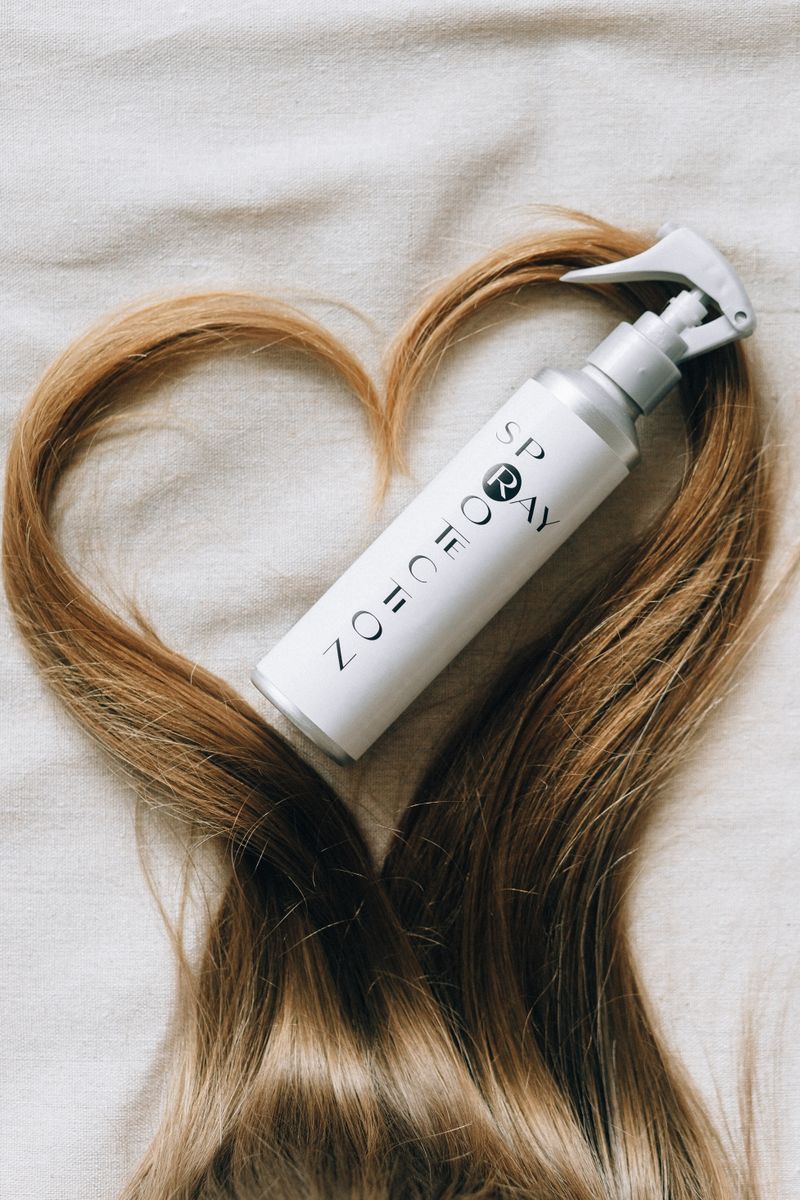
General information only. ShampooGarage articles are educational and are not medical or individualized hair, scalp, or skin advice.
pH balance in haircare refers to the measure of acidity or alkalinity of a product, hair, or scalp, ranging from 0 (most acidic) to 14 (most alkaline), with 7 being neutral. Maintaining an optimal pH level, typically between 4.5 and 5.5 for hair and scalp, is crucial because it directly impacts the health, strength, and appearance of your hair, influencing everything from cuticle integrity to moisture retention and overall shine. Products that respect this natural pH help prevent damage, frizz, and irritation, ensuring your hair remains vibrant and resilient.
Table of Contents
- Understanding the pH Scale: Your Hair's Natural Ecosystem
- The Science Behind pH and Hair Health
- Identifying pH Imbalance: Signs Your Hair is Struggling
- Choosing pH-Balanced Products: What to Look For
- Building a pH-Optimized Haircare Routine for 2026
- Advanced pH Strategies: Treatments and Home Remedies
- Common pH Misconceptions and Expert Insights
Understanding the pH Scale: Your Hair's Natural Ecosystem
The concept of pH might sound like something you only encountered in a high school chemistry lab, but it's a fundamental principle that governs the health and appearance of your hair. pH, which stands for "potential of hydrogen," is a measure of how acidic or alkaline a substance is. The scale ranges from 0 to 14, with 7 being perfectly neutral. Anything below 7 is considered acidic, and anything above 7 is alkaline (or basic).
What is the Natural pH of Hair and Scalp?
Your hair and scalp naturally maintain a slightly acidic pH, typically falling within the range of 4.5 to 5.5. This natural acidity is often referred to as the "acid mantle" and plays a critical protective role. The hair shaft itself, particularly the cuticle layer, is happiest in this acidic environment. When the cuticle scales are tightly closed and smooth, they reflect light, giving your hair that coveted shine, and they effectively lock in moisture while keeping external aggressors out. The scalp's acid mantle also acts as a barrier, preventing the growth of harmful bacteria and fungi, and maintaining a healthy microbiome.
The Role of the Acid Mantle
The acid mantle isn't just a fancy term; it's your hair and scalp's first line of defense. This thin, protective layer is composed of sebum (your natural oils), sweat, and amino acids. Its slightly acidic nature is crucial for several reasons. Firstly, it helps to keep the hair cuticle flat and sealed. Think of your hair's cuticle like shingles on a roof; when they lie flat, the roof is protected. When they lift, the underlying structure is exposed and vulnerable. Secondly, the acid mantle discourages the proliferation of bacteria and fungi that can lead to scalp issues like dandruff, itchiness, and even hair loss. A healthy acid mantle ensures a balanced scalp environment, which is the foundation for healthy hair growth.
How pH Imbalance Occurs
Given the delicate nature of your hair's natural pH, it's surprisingly easy to disrupt it. Many common haircare practices and products can inadvertently throw your hair and scalp out of whack. Products with a high (alkaline) pH, such as harsh shampoos, some hair dyes, chemical relaxers, and perms, can cause the hair cuticle to swell and lift. This exposes the inner cortex, leading to moisture loss, frizz, breakage, and dullness. On the other hand, overly acidic products (below 4.5) are less common but can also cause issues, potentially leading to excessive cuticle tightening, making hair feel stiff or brittle, and sometimes causing irritation for sensitive scalps. Even environmental factors like hard water can contribute to pH imbalance over time, leaving mineral deposits that alter the hair's surface pH. Understanding these triggers is the first step toward correcting and preventing pH-related hair problems.
The Science Behind pH and Hair Health
Delving deeper into the molecular level, the pH of your hair and the products you use has profound implications for its structural integrity, appearance, and overall health. It's not just about surface-level shine; it's about the very bonds that hold your hair together.
Cuticle Integrity and pH
The outermost layer of your hair, the cuticle, is made up of overlapping, scale-like cells. In its natural, slightly acidic state (pH 4.5-5.5), these cuticle scales lie flat and smooth, creating a protective barrier. This smooth surface reflects light, giving hair its characteristic shine, and prevents moisture from escaping the hair shaft. When hair is exposed to products with a high (alkaline) pH, the cuticle scales swell and lift. This action is often necessary for chemical processes like coloring or perming, as it allows the chemicals to penetrate the hair's inner cortex. However, if the cuticle remains lifted, it leaves the hair vulnerable. Moisture escapes, leading to dryness and frizz, and the hair becomes more susceptible to damage from styling, environmental factors, and even simple brushing. Conversely, products with a pH that is too low (highly acidic) can cause the cuticle to contract excessively, making hair feel stiff or brittle, though this is less common with commercial products.
Protein Structure and pH
Hair is primarily composed of a protein called keratin. The integrity of this protein structure is heavily influenced by pH. Keratin proteins are made up of amino acids linked by various bonds, including disulfide bonds, hydrogen bonds, and salt bonds. These bonds are sensitive to pH changes. When hair is exposed to highly alkaline conditions, the disulfide bonds, which are crucial for hair's strength and elasticity, can be permanently broken. This is why chemical treatments like relaxers (which are highly alkaline) can drastically alter hair's texture and, if not managed carefully, lead to severe damage. Even less extreme alkaline exposure can disrupt hydrogen and salt bonds, temporarily weakening the hair and making it more prone to breakage. Maintaining an optimal pH helps to preserve these vital protein structures, ensuring your hair remains strong, elastic, and resistant to damage.
Moisture Retention and Frizz Control
One of the most noticeable effects of pH on hair is its impact on moisture retention and frizz. When the hair cuticle is lifted due to an alkaline environment, it creates tiny gaps and uneven surfaces. These gaps allow the hair's internal moisture to evaporate more easily, leading to dryness. Simultaneously, the lifted cuticles absorb moisture from the humid air, causing the hair shaft to swell unevenly, which manifests as frizz. This is particularly problematic for those with naturally curly or coily hair (like 3C, 4A, 4B, 4C hair types), which already tends to be drier and has naturally more open cuticles. Using pH-balanced products, especially those with a slightly acidic pH, helps to seal the cuticle, locking in moisture and preventing frizz. This creates a smoother surface that is less reactive to humidity and retains hydration more effectively, leading to softer, more manageable hair.
💄 Recommended Product: Olaplex No.3 Hair Perfector
This pre-shampoo treatment works to repair broken disulfide bonds in the hair, making it an essential step for anyone with chemically treated, heat-damaged, or compromised hair, helping to restore strength and integrity.
[Buy on Amazon: https://www.amazon.com/dp/B01MSSDEPK?tag=seperts-20
Identifying pH Imbalance: Signs Your Hair is Struggling
Your hair is an excellent communicator. If its pH balance is off, it will send clear signals. Learning to read these signs can help you course-correct your haircare routine before damage becomes severe.
Common Symptoms of High pH (Alkaline) Hair
Hair that has been exposed to a high pH environment will often exhibit a range of distressing symptoms. The most common sign is dryness and dullness. When the cuticle is lifted, moisture escapes, leaving hair feeling rough, straw-like, and lacking natural luster. You might also notice increased frizz, especially in humid conditions, as the open cuticles absorb excess moisture from the air. Breakage and split ends become more prevalent because the hair's protein structure is compromised and weakened. Hair can also feel tangled and difficult to comb, as the raised cuticles snag against each other. For those who color their hair, a high pH environment can lead to rapid color fading, as the lifted cuticle allows dye molecules to escape more easily. Finally, the scalp might become itchy, flaky, or irritated, as its protective acid mantle is disrupted, making it more susceptible to microbial growth and inflammation.
Common Symptoms of Low pH (Acidic) Hair
While less common with commercial products, hair that is exposed to an overly acidic environment can also show signs of distress. The primary symptom here is hair that feels stiff, brittle, or overly "squeaky clean" after washing. This is because a very low pH can cause the cuticle to contract too tightly, making the hair feel rigid and less flexible. While a slightly acidic rinse (like diluted apple cider vinegar) can be beneficial for closing the cuticle, excessive acidity can lead to a lack of elasticity, making hair prone to snapping rather than stretching. The scalp might also react with irritation or sensitivity, especially if the acidic product is too strong or left on for too long. It's a delicate balance, and while most haircare products are formulated to be within a safe range, understanding the extremes helps in diagnosing issues.
The Impact on Different Hair Types
The effects of pH imbalance can vary significantly depending on your hair type.
- Fine Hair: Can become limp, greasy (due to scalp overcompensation), and prone to breakage from high pH. Low pH might make it feel overly stiff.
- Thick Hair: Might become extremely dry, coarse, and unmanageable with high pH. It can also be more resistant to product penetration if the cuticle is too tightly sealed by low pH.
- Curly/Coily Hair (e.g., 3C, 4A, 4B, 4C): These hair types are particularly vulnerable to high pH. Their naturally more open cuticles mean they lose moisture easily, and alkaline products exacerbate this, leading to extreme dryness, frizz, and tangles. Maintaining a slightly acidic pH is paramount for definition and moisture retention.
- Color-Treated Hair: High pH is the enemy of color-treated hair. It causes cuticles to lift, allowing dye molecules to escape, leading to premature fading. pH-balanced products are essential for preserving vibrancy.
- Chemically Treated Hair (Relaxed/Permed): These processes are inherently high pH. Using pH-balanced products post-treatment is crucial to help reseal the cuticle and restore strength, preventing further damage.
Understanding these specific reactions allows you to tailor your product choices and routine to your unique hair needs, ensuring you're not inadvertently causing harm.
Choosing pH-Balanced Products: What to Look For
Navigating the vast world of haircare products can be overwhelming, but armed with knowledge about pH, you can make more informed choices. The key is to look beyond marketing claims and understand what truly makes a product pH-friendly.
Understanding Product Labels and pH Claims
Unfortunately, not all haircare products explicitly state their pH on the label. However, many reputable brands are becoming more transparent, especially those catering to professional salons or specific hair concerns. Look for terms like "pH-balanced," "pH-optimized," "acid-balanced," or "color-safe." These phrases indicate that the product has been formulated to be within the ideal range of 4.5 to 5.5, or at least close to it. If a product doesn't make a direct pH claim, you can often infer its pH by its intended use. For example, shampoos designed for color-treated hair are almost always pH-balanced to prevent color stripping. Deep conditioners and hair masks often have a slightly lower pH to help seal the cuticle after cleansing. When in doubt, a quick search online for "pH of [Product Name]" can sometimes yield results from brand websites or independent reviews.
Key Ingredients for pH Regulation
While you might not see "pH regulator" listed as an ingredient, certain components are commonly used to achieve and maintain the desired pH in haircare formulations.
- Citric Acid: A natural alpha-hydroxy acid (AHA) derived from citrus fruits. It's a very common and effective pH adjuster, bringing formulations down to the acidic range. It also offers some mild exfoliating benefits for the scalp.
- Lactic Acid: Another AHA, often used for its pH-balancing properties and its ability to hydrate and smooth the hair.
- Acetic Acid: Found in apple cider vinegar, acetic acid is a popular natural ingredient for pH balancing, often used in rinses to close the cuticle and add shine.
- Sodium Hydroxide (Lye): While this is a highly alkaline ingredient, it's used in very small, controlled amounts in some formulations to raise the pH if it's too acidic, or in relaxers to break bonds. Its presence in a balanced product indicates careful formulation.
- Sodium Citrate, Sodium Lactate: These are salts of citric and lactic acid, often used as buffering agents to help maintain a stable pH over time, preventing drastic shifts.
When you see these ingredients, especially citric or lactic acid, it's a good indicator that the formulators have paid attention to the product's pH.
Products to Prioritize for pH Balance
Not every product in your routine needs to be explicitly pH-balanced, but certain categories are more critical than others.
1. Shampoos: This is arguably the most important category. Shampoos are designed to cleanse, and many traditional formulas can be alkaline to effectively lift dirt and oil. However, an overly alkaline shampoo will strip your hair's natural oils and lift the cuticle. Look for "sulfate-free," "color-safe," or "pH-balanced" shampoos.
💄 Recommended Product: OGX Coconut Milk Shampoo
This nourishing shampoo is formulated to be sulfate-free, which often correlates with a more balanced pH, helping to cleanse gently without stripping natural oils or lifting the cuticle excessively, making it suitable for maintaining hair health.
[Buy on Amazon: https://www.amazon.com/dp/B00BFMJ9FI?tag=seperts-20
2. Conditioners: Most conditioners are naturally slightly acidic (pH 3.5-5.0) because their primary function is to smooth the cuticle, detangle, and impart moisture. They help to counteract any alkalinity from shampoo. Ensure your conditioner feels slick and helps to flatten the hair shaft.
3. Leave-in Conditioners and Styling Creams: These products stay on your hair, so their pH is crucial for maintaining cuticle integrity throughout the day. Look for formulas that promote smoothness and frizz control, as these are often indicative of a beneficial pH.
4. Hair Treatments and Masks: Many deep conditioners and masks are formulated to be slightly acidic to help repair damage, seal the cuticle, and infuse moisture. Products like Olaplex No.3 are specifically designed to work within a healthy pH range to rebuild hair bonds.
5. Rinses (e.g., Apple Cider Vinegar): While not a daily product, an occasional diluted apple cider vinegar rinse (pH 2.5-3.0) can be an excellent way to restore pH balance after an alkaline treatment or to boost shine by sealing the cuticle. Always dilute it significantly to avoid excessive acidity.
By prioritizing pH-balanced choices in these key product categories, you can build a routine that supports your hair's natural health.
Building a pH-Optimized Haircare Routine for 2026
Creating a haircare routine that respects your hair's natural pH is a game-changer for long-term health and vibrancy. It's not about overhauling everything, but making smart, informed choices at each step.
Step 1 of 5: Gentle Cleansing with pH-Balanced Shampoos
The foundation of any healthy haircare routine begins with cleansing. Many traditional shampoos are formulated with harsh sulfates and a high pH (often 7-9) to effectively strip away dirt and oil. While this can feel "clean," it also lifts the hair cuticle, strips natural oils, and disrupts the scalp's acid mantle, leading to dryness, frizz, and irritation.
Action: Choose a shampoo explicitly labeled "pH-balanced," "sulfate-free," or "color-safe." These formulations are designed to cleanse effectively without excessively raising the hair's pH.
Example: For fine hair, a gentle, clarifying shampoo with a pH around 5.5 can remove buildup without over-drying. For coarse or curly hair, a moisturizing, low-lather shampoo with a similar pH will maintain hydration.
Frequency: Depending on your hair type and lifestyle, aim to wash 2-3 times a week. Over-washing, even with pH-balanced products, can still lead to dryness.
Step 2 of 5: Restoring Acidity with pH-Optimized Conditioners
After cleansing, conditioning is crucial to help reseal the hair cuticle and restore moisture. Most conditioners are naturally formulated to be slightly acidic (pH 3.5-5.0), making them perfect for counteracting any residual alkalinity from shampoo and bringing the hair back to its optimal pH.
Action: Always follow shampoo with a good quality conditioner. Focus the application on the mid-lengths and ends of your hair, where it's typically driest and most prone to damage.
Example: If your hair is prone to frizz, a conditioner rich in emollients and humectants, with a pH around 4.0, will help smooth the cuticle and lock in moisture. For color-treated hair, a conditioner specifically designed for color protection will also be pH-optimized to prevent fading.
Technique: Leave the conditioner on for 2-5 minutes to allow it to fully penetrate and work its magic before rinsing thoroughly with cool or lukewarm water to help seal the cuticle even further.
Step 3 of 5: Targeted Treatments for pH Restoration
Beyond daily shampoo and conditioner, incorporating targeted treatments can provide an extra boost of pH balance and repair, especially for damaged or chemically treated hair.
Action: Integrate a deep conditioning mask or a bond-repairing treatment into your routine 1-2 times a week, or as needed.
Example: Products like Olaplex No.3 are specifically designed to work at a healthy pH to repair disulfide bonds, making them ideal for hair damaged by coloring, heat, or chemical treatments. For very dry or high-porosity hair, a protein-rich mask with a slightly acidic pH can strengthen and smooth.
Application: Apply to clean, damp hair, ensuring even distribution. Leave on for the recommended time (usually 10-20 minutes) before rinsing. These treatments are essential for bringing severely compromised hair back to a healthy pH state and rebuilding its integrity.
Step 4 of 5: Leave-In Products and Styling Aids
The products you leave in your hair play a continuous role in maintaining its pH balance throughout the day. These products form a protective layer, helping to keep the cuticle sealed and preventing environmental damage.
Action: Choose leave-in conditioners, oils, and styling creams that are formulated to be pH-friendly.
Example: For curly hair types (like 4C), a rich leave-in conditioner with a pH around 4.5-5.0 can provide continuous moisture and frizz control. For all hair types, a lightweight hair oil (like argan or jojoba) can help seal the cuticle and add shine without altering pH.
Consideration: Avoid styling products with high alcohol content, as alcohol can be drying and disrupt the hair's natural moisture balance, indirectly affecting its pH. Look for products that promote smoothness, shine, and frizz reduction, as these often indicate a beneficial pH.
Step 5 of 5: Weekly pH-Balancing Rinses (Optional but Recommended)
For an extra layer of pH control, especially if you use many styling products or have hard water, a weekly or bi-weekly pH-balancing rinse can be highly beneficial.
Action: Prepare a diluted acidic rinse using natural ingredients.
Example: A popular choice is an Apple Cider Vinegar (ACV) rinse. Mix 1-2 tablespoons of organic ACV with 1 cup of water. After shampooing and conditioning, pour this mixture over your hair and scalp. Let it sit for 1-2 minutes, then rinse thoroughly with cool water. The acetic acid in ACV (pH 2.5-3.0) is excellent for closing the cuticle, removing product buildup, and restoring shine.
Caution: Always dilute ACV significantly. Using it undiluted can be too acidic and cause irritation. This step is particularly beneficial for those with oily scalps, dull hair, or issues with hard water mineral buildup.
Advanced pH Strategies: Treatments and Home Remedies
Beyond your daily routine, there are specific treatments and natural remedies that can help address pH imbalances, offering targeted solutions for various hair concerns.
Professional pH-Balancing Treatments
Many salons offer professional treatments specifically designed to restore hair's pH balance, especially after chemical services.
- Post-Coloring/Chemical Treatments: After a hair coloring, perming, or relaxing service, the hair's pH is significantly elevated (alkaline) to allow the chemicals to penetrate. Professional "post-treatment" or "pH-balancing" shampoos and conditioners are essential here. These products are formulated with a lower pH to rapidly bring the hair back to its natural acidic state, sealing the cuticle, locking in color, and minimizing damage. Your stylist will often apply these as part of the service.
- Bond-Repairing Systems: Products like Olaplex, K18, and Redken Acidic Bonding Concentrate are salon-grade treatments that not only re-link broken disulfide bonds but are also formulated at an optimal pH (typically 3.5-5.0) to ensure the hair's integrity is restored in a healthy environment. They are particularly effective for severely damaged or over-processed hair. These can be applied in-salon or purchased for at-home use as part of a comprehensive repair strategy.
- Scalp Detox Treatments: Some salons offer scalp treatments that focus on rebalancing the scalp's microbiome and pH. These often involve gentle exfoliation followed by nourishing, pH-balanced masks or serums to soothe irritation, reduce oiliness, or combat dryness, creating a healthier environment for hair growth.
DIY pH-Balancing Home Remedies
For those who prefer natural solutions, several home remedies can help restore pH balance, though they should be used with caution and proper dilution.
1. Apple Cider Vinegar (ACV) Rinse:
- Benefit: ACV is highly acidic (pH 2.5-3.0) and excellent for sealing the cuticle, removing product buildup, boosting shine, and balancing scalp pH.
- Method: Mix 1-2 tablespoons of organic ACV with 1 cup of water. After shampooing, pour the mixture over your hair and scalp. Let it sit for 1-2 minutes, then rinse thoroughly with cool water.
- Frequency: Use 1-2 times a week.
- Caution: Always dilute ACV. Undiluted ACV can be too harsh and irritating.
2. Aloe Vera Gel:
- Benefit: Pure aloe vera gel has a pH of around 4.5-5.5, which is perfectly aligned with hair's natural pH. It's hydrating, soothing, and can help calm an irritated scalp.
- Method: Apply pure aloe vera gel directly to the scalp or mix it into your conditioner or hair mask. Leave on for 15-30 minutes before rinsing.
- Frequency: As needed for scalp soothing or hydration.
3. Green Tea Rinse:
- Benefit: Green tea is slightly acidic (pH 4.5-5.5) and rich in antioxidants. It can help soothe the scalp, reduce inflammation, and promote a healthy environment for hair growth.
- Method: Brew a strong cup of green tea and let it cool completely. After shampooing, pour the cooled tea over your scalp and hair. Leave on for 10-15 minutes, then rinse.
- Frequency: 1-2 times a week.
4. Lemon Juice (Use with Extreme Caution):
- Benefit: Lemon juice is very acidic (pH 2.0-2.5) and can close the cuticle and add shine.
- Method: Highly dilute 1-2 teaspoons of lemon juice in 1 cup of water. Use as a final rinse, similar to ACV.
- Caution: Lemon juice can be very drying and photosensitive, meaning it can lighten hair when exposed to sunlight. Use sparingly and rinse thoroughly. Not recommended for frequent use or for those with dry or damaged hair.
The pH of Hard Water and Its Mitigation
Hard water, which contains high levels of minerals like calcium and magnesium, has a naturally higher pH (often 7.5-8.5 or higher) than soft water. Washing your hair with hard water can contribute to pH imbalance, leading to mineral buildup, dullness, dryness, and frizz.
Mitigation Strategies:
- Shower Filters: Installing a shower filter is one of the most effective ways to reduce mineral content and lower the pH of your shower water.
- Clarifying Shampoos: Use a clarifying shampoo once a month to remove mineral buildup. Follow with a deep conditioner or an acidic rinse to restore pH.
- Acidic Rinses: Regular ACV or diluted lemon juice rinses can help counteract the alkalinity of hard water and remove mineral deposits.
- Chelating Shampoos: These shampoos are specifically formulated with chelating agents (like EDTA) that bind to minerals and remove them from the hair.
By understanding these advanced strategies, you can take a proactive approach to maintaining optimal pH balance, ensuring your hair remains healthy, strong, and beautiful in 2026 and beyond.
💄 Recommended Product: Cantu Shea Butter Leave-In Conditioner
This rich leave-in conditioner is excellent for providing intense moisture and sealing the cuticle, especially for textured and curly hair types, helping to maintain a healthy pH and prevent frizz throughout the day.
[Buy on Amazon: https://www.amazon.com/dp/B007JCAHE4?tag=seperts-20
Common pH Misconceptions and Expert Insights
The topic of pH in haircare is often shrouded in myths and misunderstandings. As experts at ShampooGarage, we aim to demystify these concepts and provide clear, actionable insights.
Myth vs. Fact: Debunking Common pH Beliefs
Myth 1: All natural ingredients are pH-balanced and good for hair.
- Fact: Not true. While many natural ingredients are beneficial, their pH varies widely. For example, baking soda (pH 8-9) is highly alkaline and can be damaging if used frequently, while lemon juice (pH 2-3) is very acidic. It's the formulation of a product, often combining natural and synthetic ingredients, that ensures a balanced pH.
Myth 2: You need to test the pH of every product you use.
- Fact: While it's interesting to test products with pH strips, it's not strictly necessary for most consumers. Reputable brands, especially those labeled "pH-balanced" or "color-safe," have already done the work for you. Focus more on how your hair feels and responds to products. If your hair is dry, frizzy, or dull, it's a good indicator that your routine might be off, regardless of specific pH numbers.
Myth 3: Hair should always be at a pH of 7 (neutral).
- Fact: Absolutely not. Hair and scalp are naturally slightly acidic, ideally between pH 4.5 and 5.5. A neutral pH of 7 is actually slightly alkaline for hair and can cause the cuticle to lift. This misconception often comes from a general understanding that "neutral" is always good, but for hair, slightly acidic is optimal.
Myth 4: Highly acidic products are always bad for hair.
- Fact: Not necessarily. While excessively low pH can make hair stiff, slightly acidic products (like conditioners, masks, and ACV rinses) are crucial for closing the cuticle, locking in moisture, and adding shine. The key is balance and appropriate use. A pH of 3.5-4.5 for a conditioner is ideal, whereas a pH of 2.0 for a daily shampoo would be too harsh.
Myth 5: pH balance only matters for chemically treated hair.
- Fact: While chemically treated hair is more vulnerable and benefits immensely from pH-balanced products, all hair types benefit. Environmental factors, heat styling, and even regular washing can disrupt the hair's natural pH. Maintaining balance is about preventative care for everyone.
Expert Advice for Maintaining Optimal pH
1. Read Labels and Research Brands:
- Prioritize products that explicitly state "pH-balanced" or "color-safe." If a brand doesn't disclose pH, look for reviews or information from reliable sources. Brands that focus on hair health, like those found at ShampooGarage, often formulate with pH in mind.
2. Listen to Your Hair and Scalp:
- Your hair's condition is the best indicator of pH balance. If it's dry, frizzy, dull, or your scalp is irritated, it's a sign to reassess your products and routine. Conversely, if your hair is soft, shiny, and manageable, you're likely doing something right.
3. Don't Overdo Acidic Rinses:
- While ACV rinses are beneficial, using them too frequently or in too high a concentration can make hair stiff or brittle. Moderation is key. 1-2 times a week, diluted, is usually sufficient.
4. Be Mindful of Chemical Treatments:
- If you color, perm, or relax your hair, understand that these processes are inherently alkaline. It's absolutely critical to follow up with professional-grade, pH-balancing products immediately after these services to minimize damage and restore hair integrity.
5. Consider Your Water Quality:
- If you live in a hard water area, invest in a shower filter. This simple step can significantly improve your hair's pH balance and overall health.
6. Build a Cohesive Routine:
- Think of your haircare products as a team. Ensure your shampoo, conditioner, and leave-ins work together to maintain a healthy pH. A highly alkaline shampoo followed by a slightly acidic conditioner can help, but a pH-balanced shampoo and conditioner duo is even better.
By integrating these expert insights into your haircare philosophy, you'll be well-equipped to maintain optimal pH balance for healthy, beautiful hair in 2026. For more detailed reviews on specific products, remember to Browse all beauty products at ShampooGarage.
Frequently Asked Questions
Q: What is the ideal pH range for hair and scalp?
A: The ideal pH range for healthy hair and scalp is slightly acidic, typically between 4.5 and 5.5. This range helps keep the hair cuticle sealed, locks in moisture, and protects the scalp's natural acid mantle.
Q: How can I tell if my haircare products are pH-balanced?
A: Look for terms like "pH-balanced," "acid-balanced," or "color-safe" on product labels. Many reputable brands will explicitly state this. If not, you can sometimes find information on the brand's website or by using pH testing strips, though the latter is not strictly necessary for most users.
Q: Can pH imbalance cause hair loss?
A: While direct hair loss solely from pH imbalance is less common, a chronically imbalanced scalp pH (especially too alkaline) can disrupt the scalp's microbiome, lead to inflammation, irritation, and conditions like dandruff, which can indirectly contribute to weakened hair follicles and increased hair shedding over time.
Q: Are sulfate-free shampoos always pH-balanced?
A: Not always, but they are generally a safer bet. Sulfate-free shampoos tend to be less alkaline than traditional sulfate-laden ones because they use milder cleansing agents. However, being sulfate-free doesn't automatically guarantee a perfect pH of 4.5-5.5, so it's still best to look for explicit pH claims.
Q: What is the pH of common household items used on hair, like baking soda or lemon juice?
A: Baking soda is highly alkaline (pH 8-9), which can be damaging to hair cuticles if used frequently. Lemon juice is very acidic (pH 2-3) and should always be highly diluted to avoid excessive dryness or irritation. Apple cider vinegar (pH 2.5-3.0) is also acidic and should be diluted for rinses.
Q: Why do hair color and chemical treatments have a high pH?
A: Hair color, perms, and relaxers are formulated with a high (alkaline) pH to intentionally open the hair's cuticle layer. This allows the chemical agents to penetrate the hair shaft to deposit color, break bonds for perming, or straighten hair. Post-treatment, it's crucial to use pH-balancing products to reseal the cuticle.
Q: Can hard water affect my hair's pH?
A: Yes, hard water contains high mineral content and often has a higher pH (more alkaline) than soft water. Regular washing with hard water can disrupt your hair's natural pH, leading to mineral buildup, dryness, dullness, and frizz. Using a shower filter or acidic rinses can help mitigate these effects.
Q: How often should I use an acidic rinse like apple cider vinegar?
A: For most hair types, using a diluted apple cider vinegar rinse 1-2 times a week is sufficient. This helps to close the cuticle, remove buildup, and restore shine without over-acidifying the hair. Always dilute it significantly (1-2 tablespoons per cup of water) to avoid irritation.
Conclusion
Understanding pH balance in haircare isn't just a scientific curiosity; it's a fundamental pillar of maintaining truly healthy, vibrant hair. From the integrity of your hair's delicate cuticle to its ability to retain moisture and resist frizz, pH plays a starring role. In 2026, with an ever-growing array of products on the market, being an informed consumer means looking beyond superficial claims and recognizing the profound impact of a product's pH. By prioritizing pH-balanced shampoos, conditioners, and treatments, and by listening to the signals your hair sends, you can cultivate a haircare routine that actively supports your hair's natural ecosystem. Whether you're battling frizz, preserving color, or simply aiming for maximum shine, getting your pH right is the non-negotiable step toward achieving your hair goals. Don't let pH imbalance undermine your efforts; empower yourself with knowledge and choose products that truly respect your hair's natural state.
Ready to find your perfect haircare match? Browse our full product reviews at ShampooGarage and discover what actually works for your hair type.
This article contains Amazon affiliate links. If you purchase through them, ShampooGarage earns a small commission at no extra cost to you.