BREAKING
πŸ†• New Review: Dyson Airwrap 2025 β€” Is It Worth $600?β—†πŸ”₯ Best Seller: Moroccanoil Treatment is 20% off on Amazon todayβ—†πŸ’„ Just Reviewed: Fenty Beauty Pro Filt'r Foundation β€” 40 Shades Testedβ—†βœ‚οΈ Guide: How to Choose the Right Scissors for Your Hair Typeβ—†πŸŒΏ Natural Hair: Our Top 10 Jamaican Black Castor Oils Rankedβ—†πŸ’§ Sulfate-Free Shampoos: The 15 Best for Color-Treated Hair◆⭐ Editor's Pick: Olaplex No. 3 β€” Still the Best Bond Builder?β—†πŸ›’ Amazon Deals: Top Beauty Products Under $25 This Weekβ—†πŸ†• New Review: Dyson Airwrap 2025 β€” Is It Worth $600?β—†πŸ”₯ Best Seller: Moroccanoil Treatment is 20% off on Amazon todayβ—†πŸ’„ Just Reviewed: Fenty Beauty Pro Filt'r Foundation β€” 40 Shades Testedβ—†βœ‚οΈ Guide: How to Choose the Right Scissors for Your Hair Typeβ—†πŸŒΏ Natural Hair: Our Top 10 Jamaican Black Castor Oils Rankedβ—†πŸ’§ Sulfate-Free Shampoos: The 15 Best for Color-Treated Hair◆⭐ Editor's Pick: Olaplex No. 3 β€” Still the Best Bond Builder?β—†πŸ›’ Amazon Deals: Top Beauty Products Under $25 This Weekβ—†
Back to Blog
Beauty GuidesSaturday, April 11, 2026ShampooGarage Editorial

Porosity 101: How to Test Your Hair Porosity and Choose the Right Products in 2026

Porosity 101: How to Test Your Hair Porosity and Choose the Right Products in 2026

Hair porosity is defined as your hair's ability to absorb and retain moisture. It's a crucial characteristic that dictates how effectively your hair takes in water, oils, and products, and consequently, how it responds to different haircare routines. Understanding your hair porosity is the foundational step in building an effective haircare regimen, ensuring you choose products that truly nourish and protect your strands rather than just sitting on the surface or overwhelming them. For anyone serious about achieving their best hair in 2026, mastering porosity is non-negotiable.

Table of Contents

  1. Understanding Hair Porosity: The Foundation of Healthy Hair
  2. The Three Types of Hair Porosity
  3. How to Test Your Hair Porosity at Home
  4. Product Selection Guide for Each Porosity Type
  5. Building Your Porosity-Specific Haircare Routine
  6. Advanced Tips and Common Porosity Myths

Understanding Hair Porosity: The Foundation of Healthy Hair

Before diving into tests and product recommendations, it's vital to grasp the science behind hair porosity. Think of your hair strand as a tiny, intricate structure. Its outermost layer, the cuticle, is like a shingled roof, protecting the inner cortex. How open or closed these "shingles" are determines your hair's porosity. In 2026, with so many advanced haircare products on the market, understanding this fundamental characteristic is more important than ever to truly personalize your routine.

What Exactly is Hair Porosity?

Hair porosity refers to your hair's ability to absorb and retain moisture. It's not about how oily or dry your scalp is, nor is it directly about your curl pattern (though certain patterns can be associated with specific porosities). Instead, it's about the condition of your hair's outermost layer, the cuticle. A healthy cuticle lies flat, protecting the inner layers and allowing for controlled moisture absorption. When the cuticle is raised, it absorbs moisture quickly but also loses it just as fast. When it's tightly bound, moisture struggles to get in. This fundamental difference is why a product that works wonders for one person might do nothing, or even harm, another's hair.

Why Your Hair's Cuticle Matters

The cuticle is composed of overlapping, dead cells that resemble scales. In healthy, undamaged hair, these scales lie flat and tightly packed, creating a smooth surface that reflects light and locks in moisture. This is characteristic of low porosity hair. When the cuticle is slightly raised, it allows for a balanced absorption and retention of moisture, typical of medium porosity hair. However, when the cuticle is significantly raised, chipped, or damaged, it creates gaps. These gaps allow moisture to rush in and out rapidly, leading to high porosity hair. The state of your cuticle directly impacts how your hair responds to washing, conditioning, styling, and even environmental factors.

The Impact of Chemical Treatments and Heat Styling

While genetics play a role in your natural hair porosity, external factors can significantly alter it. Chemical treatments like coloring, perms, relaxers, and keratin treatments intentionally lift the cuticle to allow chemicals to penetrate the hair shaft. While necessary for the desired effect, these processes can leave the cuticle permanently raised or damaged, leading to increased porosity. Similarly, excessive heat styling without proper heat protection can scorch and lift the cuticle, making the hair more porous and prone to damage. Over time, consistent exposure to these factors can transform naturally low or medium porosity hair into high porosity hair, necessitating a complete overhaul of your haircare regimen.


πŸ’„ Recommended Product: Olaplex No.3 Hair Perfector
This pre-shampoo treatment is a game-changer for compromised hair, rebuilding broken disulfide bonds and significantly improving the health and strength of hair damaged by chemical treatments or heat. It's a must-have for anyone looking to repair high porosity hair.
[Buy on Amazon: https://www.amazon.com/dp/B01MSSDEPK?tag=seperts-20]

Genetic Predisposition and Aging

Just as your hair color and texture are largely determined by genetics, so too is your baseline hair porosity. Some individuals are simply born with naturally tighter or looser cuticles. For example, many people with fine, straight hair might have naturally low porosity, while some with coarse, curly, or coily hair (like 4C textures) might have naturally high porosity due to the structure of their curl pattern, which can cause the cuticle to lift at the bends. Furthermore, as we age, our hair's structure can change. The cuticle can become more brittle and prone to lifting, leading to a gradual increase in porosity. This means that your hair porosity isn't necessarily static throughout your life and may require periodic re-evaluation, especially as you enter new life stages in 2026.

The Three Types of Hair Porosity

Understanding the three main categories of hair porosity is key to decoding your hair's behavior. Each type has distinct characteristics that determine how it interacts with moisture and products. Identifying your type is the first step towards a truly effective haircare strategy.

Low Porosity Hair: Characteristics and Challenges

Low porosity hair has a tightly closed cuticle layer, meaning its scales lie flat and are very compact. This makes it difficult for moisture to penetrate the hair shaft.
Characteristics:

  • Products tend to sit on top of the hair rather than absorbing.
  • Takes a long time to get fully wet when washing.
  • Takes a long time to air dry.
  • Resistant to chemical treatments like coloring or perms.
  • Can appear shiny and healthy, but often feels dry or stiff internally.
  • Prone to product buildup.

The main challenge with low porosity hair is getting moisture into the hair. Once moisture is in, it tends to stay there, which is a good thing! The trick is using the right techniques and products to open the cuticle just enough for absorption without causing damage. Heavy butters and oils can easily build up, leading to dull, greasy-looking hair that still feels dry underneath.

Medium Porosity Hair: The "Ideal" Balance

Medium porosity hair has a cuticle layer that is neither too tightly closed nor too widely open. The cuticles are slightly raised, allowing for a balanced absorption and retention of moisture.
Characteristics:

  • Easily absorbs and retains moisture.
  • Takes color well and holds styles for a long time.
  • Doesn't take too long to air dry.
  • Generally considered healthy and requires less maintenance.
  • Often has good elasticity and shine.

Medium porosity hair is often described as the "ideal" porosity because it strikes a good balance. It's receptive to most products and treatments and generally maintains its moisture balance well. However, even medium porosity hair can become high porosity over time due to damage from heat, chemicals, or environmental stressors. The goal for medium porosity hair is to maintain this healthy balance and protect it from damage.

High Porosity Hair: Vulnerability and Solutions

High porosity hair has a cuticle layer that is raised, damaged, or has gaps, allowing moisture to enter and exit the hair shaft very easily and quickly.
Characteristics:

  • Absorbs moisture very quickly but also loses it just as fast.
  • Hair gets wet very fast when washing.
  • Dries very quickly.
  • Prone to frizz, tangles, and breakage.
  • Often feels dry, rough, or brittle.
  • Can look dull and lack shine.
  • Chemical treatments and heat styling can exacerbate its porous nature.

The primary challenge with high porosity hair is moisture retention. Because the cuticle is open, water rushes in, causing swelling and frizz, but then evaporates quickly, leaving the hair dry and vulnerable. This hair type needs products that help seal the cuticle, provide deep conditioning, and protect against further damage. It's often the result of damage, but some hair types, especially certain curly and coily patterns, can be naturally high porosity.

Comparison Table: Hair Porosity Types

Feature Low Porosity Hair Medium Porosity Hair High Porosity Hair
Cuticle State Tightly closed, compact Slightly raised, balanced Raised, damaged, or gapped
Moisture Absorption Difficult to absorb, takes time Easily absorbs Absorbs quickly, but loses quickly
Moisture Retention Retains well once absorbed Retains well Poor retention, dries out fast
Drying Time Long Moderate Short
Product Buildup Prone to buildup, products sit on top Minimal buildup, products absorb well Less prone to visible buildup, but needs sealing
Appearance/Feel Shiny but can feel stiff/dry, resistant to styling Healthy, shiny, good elasticity, holds styles well Frizzy, rough, dull, brittle, prone to tangles
Best Product Types Lightweight, humectants, heat-activated Balanced, wide range of products Heavy creams, butters, oils, protein, acid rinses

How to Test Your Hair Porosity at Home

Determining your hair porosity doesn't require a trip to a salon or expensive equipment. Several simple, at-home tests can give you a good indication of your hair's porosity. For the most accurate results in 2026, it's best to perform these tests on clean, product-free hair.

The Water Float Test: A Classic Method

This is perhaps the most widely known and easiest test.
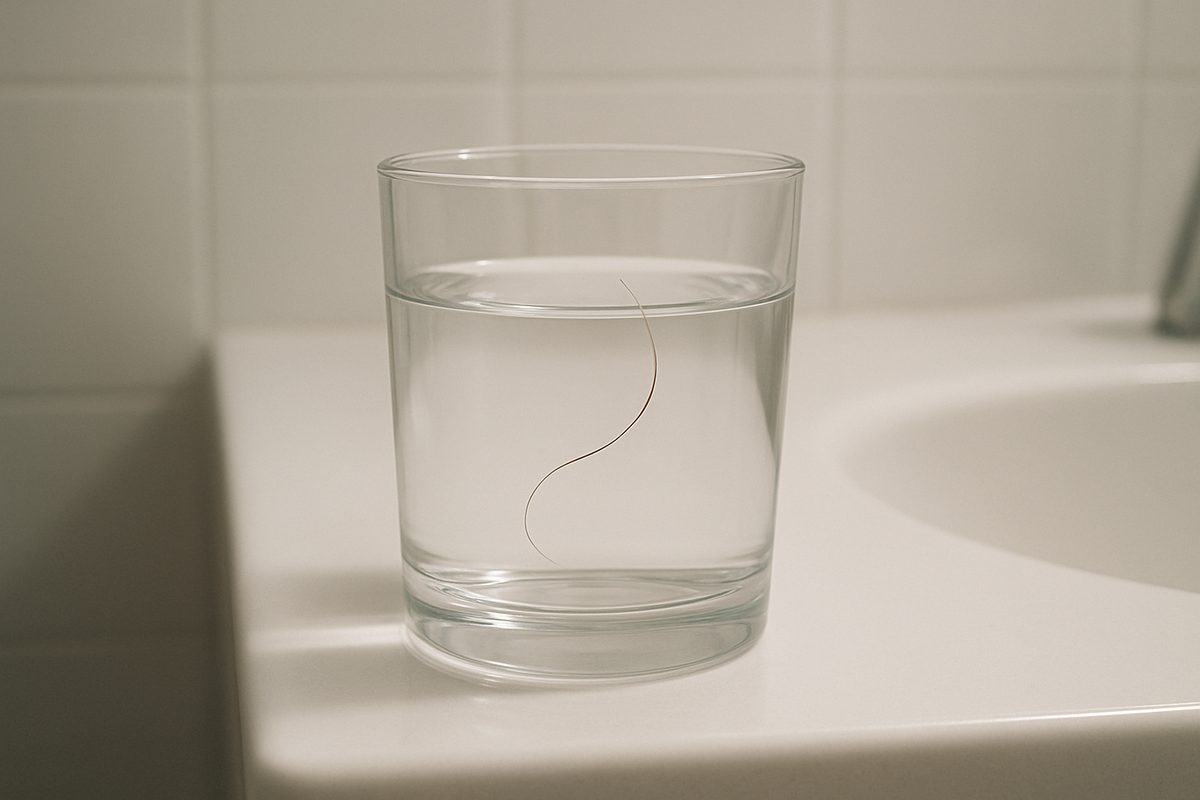
Step 1 of 4: Prepare Your Hair. Gently pull a few strands of clean, product-free hair from your brush or comb. Ensure the hair is dry and free of any styling products, oils, or leave-in conditioners, as these can interfere with the test.
Step 2 of 4: The Water Immersion. Fill a clear glass or bowl with room-temperature water. Carefully place the strands of hair onto the surface of the water. Do not push them down.
Step 3 of 4: Observe and Wait. Watch the hair strands for 2-4 minutes.
Step 4 of 4: Interpret the Results.

  • Low Porosity: If your hair floats on top of the water, it indicates low porosity. The tightly closed cuticles repel water, preventing it from sinking.
  • Medium Porosity: If your hair sinks slowly and floats somewhere in the middle of the glass, you likely have medium porosity hair. The cuticles are balanced, allowing for gradual absorption.
  • High Porosity: If your hair sinks quickly to the bottom, it suggests high porosity. The open cuticles rapidly absorb water, causing the strand to become saturated and sink.

The Strand Slide Test: Feeling Your Way to Porosity

This tactile test involves feeling the hair strand to assess the condition of its cuticle.
Step 1 of 3: Isolate a Strand. Take a single strand of clean, dry hair.
Step 2 of 3: Slide Your Fingers. Hold the end of the hair strand between your thumb and forefinger. Slide your fingers up the hair shaft towards your scalp.
Step 3 of 3: Interpret the Feel.

  • Low Porosity: If your fingers slide smoothly and you feel very little to no bumps, your hair is likely low porosity. The cuticles are flat and tightly closed.
  • Medium Porosity: If you feel a slight roughness or subtle bumps, it suggests medium porosity. The cuticles are slightly raised.
  • High Porosity: If you feel significant roughness, bumps, or even small gaps, your hair is likely high porosity. The cuticles are raised and possibly damaged.

The Spray Bottle Test: Observing Absorption

This test directly observes how your hair absorbs water.
Step 1 of 3: Prepare Your Hair. Take a small section of clean, dry hair.
Step 2 of 3: Spray with Water. Using a spray bottle, lightly mist the section of hair with water.
Step 3 of 3: Observe Absorption.

  • Low Porosity: If the water beads up on the surface of your hair and takes a while to absorb, you have low porosity hair. The tightly closed cuticles resist immediate penetration.
  • Medium Porosity: If the water beads up for a moment and then quickly absorbs into the hair, you likely have medium porosity. The cuticles allow for efficient absorption.
  • High Porosity: If the water is immediately absorbed into the hair without beading up, you have high porosity hair. The open cuticles readily take in moisture.

Combining Tests for Accuracy

While each test can provide a good indication, combining them offers a more comprehensive and accurate assessment of your hair porosity. For instance, if the float test suggests low porosity, and the slide test confirms a smooth cuticle, you can be fairly confident in your assessment. If the results are mixed, consider which test felt most conclusive or try them again on different sections of your hair. Remember, your porosity can vary slightly across different parts of your head, especially if you have areas that are more prone to damage (e.g., around the face or ends). Don't overthink it; the goal is to get a general idea to guide your product choices.

Product Selection Guide for Each Porosity Type

Once you've identified your hair porosity, the real fun begins: choosing the right products! This is where ShampooGarage truly shines, helping you navigate the vast world of haircare. Selecting porosity-specific products ensures maximum effectiveness, leading to healthier, happier hair in 2026.

Best Products for Low Porosity Hair

For low porosity hair, the challenge is getting moisture in. Products should be lightweight, easily absorbed, and avoid heavy ingredients that can cause buildup.

  • Shampoos: Look for clarifying or sulfate-free shampoos that effectively cleanse without stripping. Avoid heavy, creamy formulas.
    • Example: L'Oreal EverPure Sulfate-Free Shampoo (lightweight, cleanses well).
  • Conditioners: Lightweight, protein-free conditioners are ideal. Look for ingredients like glycerin, honey, or aloe vera, which are humectants that draw moisture into the hair.
  • Leave-in Conditioners: Light, milky, or spray leave-ins are best. Avoid heavy creams.
  • Oils: Light oils like grapeseed, jojoba, almond, or argan oil are preferred. Apply sparingly to damp hair.
  • Deep Conditioners: Use heat (like a steamer or hooded dryer) with deep conditioners to help open the cuticle and allow penetration. Look for formulas with humectants.
  • Avoid: Heavy butters, thick oils (like castor or shea butter as primary ingredients), and products with a lot of protein, which can cause stiffness.

Optimal Products for Medium Porosity Hair

Medium porosity hair is the most versatile and generally responds well to a wide range of products. The key is balance and protection.

  • Shampoos: Gentle, balancing shampoos are perfect. Sulfate-free options are always a good choice.
  • Conditioners: Most moisturizing conditioners will work well. You can experiment with different consistencies.
  • Leave-in Conditioners: Light to medium-weight leave-ins.
  • Oils: A variety of oils like argan, jojoba, or even a light coconut oil can be used.
  • Deep Conditioners: Use deep conditioners regularly (e.g., bi-weekly) to maintain moisture and protein balance. You can incorporate protein treatments occasionally if your hair feels weak.
  • Styling Products: Most mousses, gels, and creams will work. Focus on products that provide hold and definition without weighing hair down.
  • Protection: Always use a heat protectant when heat styling to maintain your healthy cuticle.

πŸ’„ Recommended Product: OGX Coconut Milk Shampoo
This shampoo offers a gentle yet effective cleanse, perfect for medium porosity hair that needs balanced moisture without being weighed down. Its tropical scent is a bonus!
[Buy on Amazon: https://www.amazon.com/dp/B00BFMJ9FI?tag=seperts-20]

Essential Products for High Porosity Hair

High porosity hair needs products that seal the cuticle, provide intense moisture, and strengthen the hair shaft.

  • Shampoos: Moisturizing, creamy, sulfate-free shampoos that don't strip the hair.
  • Conditioners: Rich, thick, creamy conditioners are essential. Look for ingredients like shea butter, coconut oil, and ceramides.
  • Leave-in Conditioners: Heavy, creamy leave-ins are your best friend. They provide a crucial layer of moisture and protection.
    • Example: Cantu Shea Butter Leave-In Conditioner (rich, seals moisture).
  • Oils: Heavy oils like castor oil, olive oil, and shea butter are excellent for sealing moisture into the hair shaft. Apply as the last step in your routine (LOC method).
  • Deep Conditioners: Frequent, intensive deep conditioning treatments are vital. Look for protein-rich deep conditioners or treatments to help fill in gaps in the cuticle.
  • Styling Products: Rich creams, butters, and gels that provide strong hold and moisture.
  • Acid Rinses: Apple cider vinegar rinses can help flatten the cuticle and increase shine.

Ingredients to Look For and Avoid

Understanding ingredients is paramount for porosity-specific care.
For Low Porosity:

  • Look for: Glycerin, honey, aloe vera, water-based products, lightweight oils (jojoba, grapeseed, argan), hydrolyzed proteins (small enough to penetrate).
  • Avoid: Heavy butters (shea, cocoa), thick oils (castor), excessive protein (can cause stiffness), silicones that aren't water-soluble (can build up).

For Medium Porosity:

  • Look for: A balance of humectants, emollients, and proteins. Most natural oils and butters work well in moderation.
  • Avoid: Nothing specific, but be mindful of overuse of heavy products that could lead to buildup, or excessive protein that could cause stiffness.

For High Porosity:

  • Look for: Heavy butters (shea, cocoa), thick oils (castor, olive), proteins (hydrolyzed wheat protein, keratin), ceramides, fatty alcohols, humectants (glycerin, honey) used in conjunction with sealants.
  • Avoid: Stripping sulfates, alcohol-heavy products (can be drying), excessive heat without protection.

By carefully selecting products based on these guidelines, you'll be well on your way to a perfectly balanced and healthy hair routine. Browse our full product reviews at ShampooGarage to find the perfect match for your porosity!

Building Your Porosity-Specific Haircare Routine

Knowing your porosity is only half the battle; the other half is implementing a routine that caters to it. A well-structured routine, tailored to your hair's unique needs, will maximize product effectiveness and lead to consistent, healthy results.

Low Porosity Hair Routine: Maximizing Penetration

The goal for low porosity hair is to gently open the cuticle to allow moisture in, then seal it.

  1. Pre-poo (Optional but Recommended): Apply a lightweight oil (like jojoba or grapeseed) or a pre-shampoo treatment to dry hair for 15-30 minutes before washing. This helps protect strands from stripping.
  2. Cleanse: Use a clarifying or sulfate-free shampoo to remove buildup. Focus on the scalp. Consider using warm water to help lift the cuticle.
  3. Condition: Apply a lightweight, protein-free conditioner. Distribute thoroughly.
  4. Deep Condition (Weekly/Bi-weekly): Apply a humectant-rich deep conditioner. Crucially, use indirect heat (e.g., a shower cap under a warm towel, a hair steamer, or a hooded dryer) for 20-30 minutes to help the product penetrate.
  5. Leave-in: Apply a lightweight, milky, or spray leave-in conditioner to damp hair.
  6. Seal: Lightly seal with a lightweight oil (e.g., argan or jojoba) to lock in moisture.
  7. Styling: Opt for water-based styling products. Avoid heavy creams or butters that can sit on the surface.

Medium Porosity Hair Routine: Maintaining Balance

Medium porosity hair thrives on balance. The routine focuses on maintaining its healthy state and protecting it from damage.

  1. Cleanse: Use a gentle, balancing sulfate-free shampoo.
  2. Condition: Apply a moisturizing conditioner. You can experiment with different consistencies.
  3. Deep Condition (Bi-weekly): Use a balanced deep conditioner. You can alternate between moisturizing and light protein treatments as needed. No heat is usually required, but a warm towel can enhance absorption.
  4. Leave-in: Apply a light to medium-weight leave-in conditioner to damp hair.
  5. Seal (Optional): If your hair feels a bit dry, lightly seal with a medium-weight oil like argan or a blend.
  6. Styling: Most styling products work well. Ensure you use a heat protectant if applying heat.

High Porosity Hair Routine: Sealing and Strengthening

High porosity hair needs intense moisture, cuticle-sealing, and strengthening to combat frizz and breakage.

  1. Pre-poo (Highly Recommended): Apply a rich oil (like coconut or olive) or a protein-rich treatment to dry hair for at least 30 minutes, or even overnight.
  2. Cleanse: Use a moisturizing, creamy, sulfate-free shampoo.
  3. Condition: Apply a rich, thick conditioner. Detangle gently while the conditioner is in.
  4. Deep Condition (Weekly): Use a protein-rich or intensely moisturizing deep conditioner. Heat can be beneficial here to ensure deep penetration and repair.
  5. Leave-in: Apply a heavy, creamy leave-in conditioner to soaking wet hair.
  6. Seal (LOC or LCO Method): This is crucial.
    • L.O.C.: Apply Leave-in, then Oil (heavy, like castor or olive), then Cream (heavy styling cream/butter).
    • L.C.O.: Apply Leave-in, then Cream, then Oil. Experiment to see what works best for your hair.
  7. Styling: Use rich creams, butters, and gels that provide strong hold and moisture. Always use a heat protectant.

The Importance of Regular Clarifying and Deep Conditioning

Regardless of your porosity type, two steps are universally beneficial: clarifying and deep conditioning.

  • Clarifying: Even low porosity hair, prone to buildup, benefits from a clarifying shampoo every 4-6 weeks to remove product residue and mineral deposits. High porosity hair can also benefit, but less frequently, to ensure products can penetrate effectively.
  • Deep Conditioning: This is non-negotiable for all porosities.
    • Low Porosity: Focus on heat-activated, humectant-rich deep conditioners to draw moisture in.
    • Medium Porosity: Use balanced deep conditioners to maintain health.
    • High Porosity: Prioritize protein-rich and intensely moisturizing deep conditioners to repair and seal.

Regular deep conditioning ensures your hair gets the concentrated dose of nutrients and moisture it needs, promoting elasticity, shine, and overall health.

Advanced Tips and Common Porosity Myths

Understanding hair porosity is a journey, not a destination. As you continue your haircare evolution in 2026, it's helpful to consider advanced tips and debunk common myths to optimize your routine further.

Environmental Factors and Porosity Changes

Your hair porosity isn't set in stone; it can fluctuate due to environmental factors.

  • Climate: Living in a humid climate can cause high porosity hair to absorb too much moisture, leading to frizz, while low porosity hair might feel more moisturized. In dry climates, high porosity hair will quickly lose moisture, becoming brittle, and low porosity hair might struggle even more to absorb water. Adjust your product choices accordingly – more humectants in dry climates (for all types, but especially low porosity) and more sealants in humid climates (for high porosity).
  • Sun Exposure: Prolonged sun exposure can damage the cuticle, increasing porosity. Always use UV protectants for your hair, especially during summer months.
  • Chlorine/Salt Water: Swimming in chlorinated pools or the ocean can significantly strip and damage hair, leading to higher porosity. Wet your hair with fresh water and apply a leave-in conditioner before swimming to create a protective barrier. Rinse immediately after.

Porosity and Hair Color/Treatments

If you regularly color, relax, or perm your hair, you're likely dealing with some degree of increased porosity.

  • Color-Treated Hair: Chemical dyes lift the cuticle. Always use color-safe, moisturizing products designed for damaged or color-treated hair. Incorporate protein treatments to strengthen the hair shaft and help fill in cuticle gaps.
  • Relaxed/Permed Hair: These treatments fundamentally alter the hair's structure, often leaving it highly porous. Focus on intense moisturizing and strengthening routines, including frequent deep conditioning and protein treatments. Avoid excessive heat styling.
  • Keratin Treatments: While often marketed to smooth hair, some keratin treatments can still impact porosity. Follow post-treatment care instructions meticulously, which often involve sulfate-free products.

Myth Busting: Porosity vs. Hair Type

It's a common misconception that hair porosity is the same as hair type (fine, medium, coarse) or curl pattern (straight, wavy, curly, coily).

  • Myth: All curly hair is high porosity.
    • Reality: While many curly and coily textures can be high porosity due to the natural lifting of the cuticle at the bends of the curl, it's not a universal rule. You can have 4C hair with low porosity, or fine, straight hair with high porosity (due to damage). Porosity is about the cuticle's state, not the shape of the strand.
  • Myth: You can change your hair porosity permanently.
    • Reality: You can't permanently change your hair's natural porosity, which is genetically determined. However, you can significantly improve the condition of your cuticle through proper care, making high porosity hair behave more like medium porosity, or helping low porosity hair absorb moisture better. Damage can also increase porosity.
  • Myth: Porosity is only for "natural" hair.
    • Reality: Every hair strand, regardless of its texture, ethnicity, or whether it's been chemically treated, has a cuticle and thus a porosity level. Understanding it is beneficial for everyone.

Case Study: From Frizz to Fab – A Porosity Transformation

Case Study: High Porosity Hair β€” Before/After

Meet Sarah, a 32-year-old with beautiful, long, wavy hair. For years, she struggled with extreme frizz, dullness, and constant breakage. Her hair would air dry quickly but feel incredibly dry and rough, especially at the ends. She tried countless "moisturizing" products, but they seemed to disappear into her hair, leaving it feeling thirsty again within hours. She also regularly colored her hair, which she suspected was contributing to the problem.

Before Porosity Assessment: Sarah performed the water float test, and her hair strands sank rapidly to the bottom. The strand slide test revealed significant roughness and bumps. She clearly had high porosity hair, likely exacerbated by her coloring routine.

The Porosity-Specific Intervention: Based on her high porosity, Sarah overhauled her routine:
βœ… Switched to a moisturizing, sulfate-free shampoo.
βœ… Incorporated a rich, creamy deep conditioner weekly, often with added protein, and used a shower cap to trap heat.
βœ… Started using a heavy, creamy leave-in conditioner on soaking wet hair.
βœ… Adopted the L.O.C. method, using olive oil as her "O" and a shea butter-based styling cream as her "C."
βœ… Used an apple cider vinegar rinse once a month to help flatten the cuticle.
βœ… Committed to using a heat protectant every time she blow-dried (which she now did less frequently).
βœ… Reduced the frequency of her hair coloring and ensured her stylist used bond-repairing treatments.

After 3 Months: The transformation was remarkable. Sarah's hair was visibly smoother, shinier, and significantly less frizzy. It felt softer to the touch and retained moisture for much longer. Breakage was drastically reduced, and her waves looked more defined. She finally understood why her previous products weren't working – they weren't designed to seal and protect her highly porous strands. Her hair, once a source of frustration, was now thriving, all thanks to understanding and addressing its porosity. This kind of transformation is exactly what we aim for at ShampooGarage!

Frequently Asked Questions

Q: Can my hair porosity change over time?
A: Yes, your hair porosity can change due to factors like chemical treatments (coloring, perms), heat damage, environmental exposure (sun, chlorine), and even aging. This is why it's a good idea to re-test your porosity periodically, especially if your hair's behavior changes.

Q: Does hair porosity affect how quickly my hair grows?
A: No, hair porosity does not directly affect hair growth speed. Hair growth is determined by genetics, diet, overall health, and scalp condition. However, high porosity hair is more prone to breakage, which can give the appearance of slower growth because the ends are constantly breaking off.

Q: Is low porosity hair always healthy hair?
A: Not necessarily. While low porosity hair often has a smooth, shiny appearance, it can still be prone to dryness if moisture struggles to penetrate the tightly closed cuticles. It can also suffer from product buildup, leading to dullness and limpness. Healthy hair is about balanced moisture, strength, and elasticity, regardless of porosity.

Q: Can I have different porosities on different parts of my head?
A: Yes, it's quite common to have varying porosities. For example, the hair around your face or at the ends might be higher porosity due to more exposure to styling, sun, or friction, while the hair closer to your scalp might be lower or medium porosity. Focus your product application on the areas that need it most.

Q: What if I have fine hair but high porosity? What products should I use?
A: This combination can be tricky. You need moisture and sealing but without weighing down your fine strands. Look for lightweight protein treatments and leave-ins, and use lighter oils (like argan or grapeseed) for sealing, applied sparingly. Avoid heavy butters and thick creams unless your hair is very dense.

Q: How often should I deep condition my high porosity hair?
A: For high porosity hair, deep conditioning weekly is highly recommended. This provides the consistent moisture and strengthening agents needed to combat dryness, frizz, and breakage. If your hair is severely damaged, you might even do it twice a week initially.

Q: What is the "LOC method" and why is it good for high porosity hair?
A: The LOC method stands for Leave-in, Oil, Cream. It's a layering technique where you apply a liquid (leave-in conditioner), then an oil, and finally a cream. For high porosity hair, this method is excellent because the oil and cream act as sealants, trapping the moisture from the leave-in conditioner within the hair shaft, preventing it from escaping quickly through the open cuticles.

Q: Are silicones bad for low porosity hair?
A: Some silicones can be problematic for low porosity hair if they are not water-soluble. These types of silicones can create a barrier on the hair shaft, preventing moisture from entering and leading to buildup. Look for water-soluble silicones (often ending in -cone or -xane, but with a PEG- prefix) or opt for silicone-free products if you notice buildup.

Conclusion

Understanding your hair porosity is truly the cornerstone of an effective haircare routine in 2026. It's the secret language your hair speaks, guiding you to products and techniques that truly resonate with its unique structure. By taking the time to test your hair porosity and then consciously choosing products and building a routine around that knowledge, you're moving beyond generic advice and embracing a personalized approach that yields tangible, lasting results. Whether you're battling persistent dryness, uncontrollable frizz, or simply seeking to optimize your hair's natural beauty, porosity is your roadmap. No more guessing games, no more wasted products – just healthy, vibrant hair that finally gets exactly what it needs.

Ready to find your perfect haircare match? Browse our full product reviews at ShampooGarage and discover what actually works for your hair type.


This article contains Amazon affiliate links. If you purchase through them, ShampooGarage earns a small commission at no extra cost to you.

Top Beauty Guides Products We Recommend

#ad β€” As an Amazon Associate we earn from qualifying purchases.

Reader Reactions

AI-simulated community engagementβ“˜
49
10
3
4
πŸ™…Disagree3❀️Love This2πŸ”₯Game Changer2βœ…Tried It1πŸ“€Sharing1

Community Comments

N
Nadia P.Curly Hair Scientist

This is a great primer on porosity! While the float test can give a general idea, I always recommend paying closer attention to how products absorb and dry. My low-porosity curls definitely prefer lighter oils and humectants to truly penetrate.

3 found this helpful
A
Amber H.Makeup + Hair Crossover

Okay, porosity is EVERYTHING! Seriously, knowing this changed my whole hair game, especially with how much heat I put on my hair for full glam looks. If you're not testing this, you're missing out on truly understanding your hair.

3 found this helpful
M
Megan L.Salon Owner

Porosity is such a game-changer when it comes to product recommendations. I always tell my clients it's one of the first things we need to figure out, especially for those struggling with dryness or product buildup. Knowing your hair's porosity really cuts down on the trial and error.

Some engagement metrics include AI-simulated activity from the Taciturn Studios Swarm Network. Real reader comments are always welcome below.

["haircare""beauty""hair science"]

Part of the Taciturn Studios Network