General information only. ShampooGarage articles are educational and are not medical or individualized hair, scalp, or skin advice.
Scalp health is defined as the overall condition and well-being of the scalp, which can be affected by several factors including hydration, hygiene, and product accumulation. Maintaining a healthy scalp is essential because it lays the foundation for strong, vibrant hair. A neglected scalp can lead to issues such as dandruff, dryness, and an overload of product buildup that not only affects your hair's appearance but can also lead to conditions like irritation and hair loss.
Table of Contents
- Understanding Scalp Conditions
- Effective Treatments for Dandruff
- 2.1 Shampoos That Help
- 2.2 Home Remedies
- 2.3 Lifestyle Changes
- How to Manage Dry Scalp
- Dealing with Product Buildup
- Tools and Techniques for Scalp Care
- Recommended Products for Scalp Health
Understanding Scalp Conditions
What is Dandruff?
Dandruff is a common scalp condition characterized by flaking of the skin on the scalp, often accompanied by itching. It can be caused by a variety of factors including dry skin, seborrheic dermatitis, and even stress. Understanding what triggers your dandruff can help you treat it effectively.
Causes of Dry Scalp
A dry scalp can result from environmental factors, such as low humidity and harsh weather, as well as skin conditions or improper hair care practices. Identifying the underlying cause of your dry scalp is crucial for selecting an appropriate treatment plan.
Recognizing Product Buildup
Product buildup occurs when styling products, conditioners, and oils accumulate on the scalp and hair, leading to irritation and dullness. This can happen frequently if you use heavy products or do not cleanse your scalp thoroughly.
Effective Treatments for Dandruff
Shampoos That Help
Investing in the right shampoo is crucial for tackling dandruff. Look for ingredients like zinc pyrithione, selenium sulfide, or tea tree oil, which are known for their anti-fungal properties. A standout option for severe cases is Nizoral Anti-Dandruff Shampoo, known for its effectiveness against stubborn dandruff.
💄 Recommended Product: Nizoral Anti-Dandruff Shampoo
This shampoo contains ketoconazole, an ingredient effective in treating dandruff along with reducing itching and flaking.
Buy on Amazon
Home Remedies
Natural remedies for dandruff can be found in your kitchen. Ingredients like apple cider vinegar, coconut oil, and honey have antifungal and moisturizing properties that can alleviate flakiness and itching when applied directly.
Lifestyle Changes
Stress management, a balanced diet, and proper hydration can also reduce the severity of dandruff. Make changes such as incorporating more omega-3 fatty acids into your diet and managing your stress with mindfulness techniques.
How to Manage Dry Scalp
Moisturizers and Oils
When dealing with dry scalp, the application of natural oils or specialized scalp moisturizers is beneficial. A product like Mielle Rosemary Mint Scalp Oil not only hydrates but also stimulates the scalp and promotes hair growth.
💄 Recommended Product: Mielle Rosemary Mint Scalp Oil
This lightweight oil hydrates dry scalp and encourages healthy hair growth while giving a soothing massage experience.
Buy on Amazon
Hydration Practices
Daily hydration is essential. Drinking water and using a humidifier can significantly improve scalp moisture levels. Additionally, consider adjusting your hair washing routine to prevent dryness.
Avoiding Common Triggers
Understanding the triggers of dry scalp—like hot showers, certain hair care products, and harsh weather—will help you prevent future issues. Opt for milder shampoos and wash your hair in lukewarm water.
Dealing with Product Buildup
Clarifying Shampoos
Using a clarifying shampoo once a week can help remove excess product buildup. These shampoos are formulated to bind with styling products, helping to cleanse the scalp thoroughly.
Deep Cleansing Methods
Incorporating a deep cleaning routine can also mitigate buildup. Use gentle exfoliating scrubs designed for the scalp that can help lift away impurities without stripping essential moisture.
Best Practices for Product Use
To prevent buildup, apply products sparingly, focusing on the hair length rather than the scalp, and make sure to rinse thoroughly. Always follow with a good conditioner to lock in moisture.
Tools and Techniques for Scalp Care
Scalp Massage Techniques
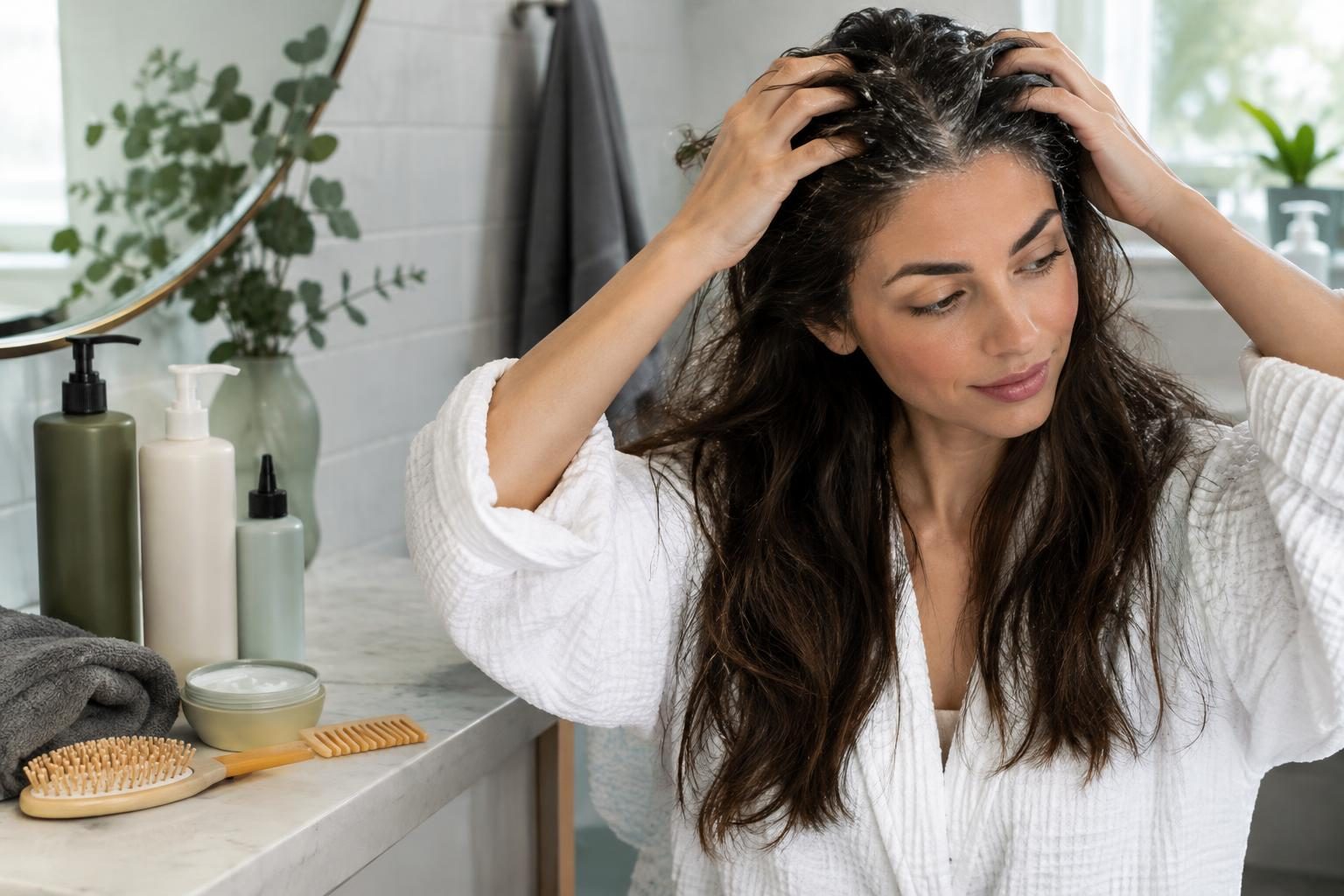
Incorporating scalp massages into your routine can improve circulation and boost overall scalp health. Use your fingertips to gently massage the scalp in circular motions for several minutes.
Recommended Hair Care Tools
Utilizing the right tools can enhance your scalp health routine. A good choice is the Conair InfinitiPRO Hair Dryer with Diffuser which is designed to distribute heat evenly without over-drying the scalp.
💄 Recommended Product: Conair InfinitiPRO Hair Dryer with Diffuser
This dryer helps protect your scalp while efficiently drying hair, giving you softness without damage.
Buy on Amazon
Recommended Products for Scalp Health
Top Picks for Dandruff
- Nizoral Anti-Dandruff Shampoo: Effective anti-fungal formula.
- Olaplex No.4 Bond Maintenance Shampoo: Strengthens and cleanses the scalp without harsh ingredients.
💄 Recommended Product: Olaplex No.4 Bond Maintenance Shampoo
This shampoo helps in maintaining healthy hair bonds, making it beneficial for those who suffer from dryness and dandruff.
Buy on Amazon
Best Moisturizers for Dry Scalp
- Mielle Rosemary Mint Scalp Oil: Great for hydration and stimulation.
- SheaMoisture Curl Enhancing Smoothie: Excellent for adding moisture and defining curls.
💄 Recommended Product: SheaMoisture Curl Enhancing Smoothie
This moisturizing cream nourishes and enhances curls, helping maintain hydration in the scalp as well.
Buy on Amazon
Effective Clarifying Solutions
- Burt's Bees Deep Cleansing Shampoo: Gentle and effective for removing buildup.
- OGX Coconut Milk Shampoo: Hydrates while ensuring a clean scalp.
💄 Recommended Product: OGX Coconut Milk Shampoo
This shampoo gently cleans while providing essential moisture, striking the perfect balance for healthy scalp care.
Buy on Amazon
Frequently Asked Questions
Q: How often should I wash my hair if I have dandruff?
A: It's recommended to wash your hair 2-3 times per week with anti-dandruff shampoos to control flaking and itching, but adjust based on your scalp's oiliness.
Q: Can dry scalp cause hair loss?
A: Yes, a chronic dry scalp can lead to hair thinning and loss due to irritation and inflammation, which is why maintaining scalp health is essential.
Q: What ingredients should I avoid for scalp issues?
A: Steer clear of sulfates, alcohols, and fragrances. These can irritate the scalp and worsen problems like dryness and dandruff.
Q: Is it okay to use anti-dandruff shampoo regularly?
A: Yes, many anti-dandruff shampoos are safe for regular use; however, consult a dermatologist if you experience irritation or your condition worsens.
Q: Can dietary changes impact scalp health?
A: Absolutely! A diet rich in omega-3 fatty acids, vitamins, and minerals can significantly improve scalp health and reduce dandruff.
Q: How can I tell if I'm over-cleansing my scalp?
A: Signs include increased dryness, redness, or sensitivity; if you notice these, consider reducing the frequency of washing.
Q: Are there any natural treatments for product buildup?
A: Yes! Vinegar-based rinses or baking soda can effectively help break down product buildup naturally.
Q: What should I do if my dandruff doesn't improve with over-the-counter solutions?
A: If home treatments and OTC shampoos don't work, consult a dermatologist for targeted therapies like prescription shampoos or topical treatments.
Conclusion
Taking care of your scalp is crucial to maintaining beautiful, healthy hair. By understanding the causes and effective treatments for dandruff, dryness, and product buildup, you can choose the right strategies to restore your scalp's health in 2026. Remember, consistency is key; incorporate the recommended products and techniques into your routine for the best results. Ready to find your perfect haircare match? Browse our full product reviews at ShampooGarage and discover what actually works for your hair type.
Return ONLY the complete article in Markdown. No preamble, no "here is the article", no meta-commentary. The affiliate disclosure MUST be the very last element, after the FAQ and Conclusion.
As an Amazon Associate I earn from qualifying purchases.
As an Amazon Associate I earn from qualifying purchases.