General information only. ShampooGarage articles are educational and are not medical or individualized hair, scalp, or skin advice.
Scalp microbiome is defined as the community of microorganisms, including bacteria, that inhabits your scalp and plays a crucial role in hair health. To maintain lustrous hair growth, it's essential to understand how the balance of these microbes affects your scalp environment. When the scalp microbiome thrives, it can improve the condition of your hair and promote robust hair growth, making it a significant factor for beauty enthusiasts to consider in their routines.
Table of Contents
- Understanding the Scalp Microbiome
- How the Scalp Microbiome Influences Hair Growth
- Maintaining a Healthy Scalp Microbiome
- Common Scalp Conditions Related to the Microbiome
- Recommended Products for Scalp Health
- Conclusion and Call to Action
Understanding the Scalp Microbiome
Our scalp is an ecosystem, teeming with various microorganisms that contribute to scalp health. This diverse community includes bacteria, fungi, and viruses, and their collective functioning is termed the scalp microbiome. The microorganisms work harmoniously to maintain scalp balance, regulating oil production, and preventing harmful bacteria from establishing a foothold.
What Comprises the Scalp Microbiome?
- Bacteria: The most abundant organisms, playing a key role in fighting off harmful pathogens.
- Fungi: A type of fungus called Malassezia is a part of the normal scalp flora but can lead to issues if overgrown.
- Viruses: Less understood, but they may help regulate bacterial populations and maintain balance.
By understanding the components, we can appreciate how important it is to maintain this balance for overall hair health.
How the Scalp Microbiome Influences Hair Growth
The connection between the scalp microbiome and hair growth is not just about preventing dandruff or irritation. Healthy microorganisms can promote the growth of new hair by improving scalp conditions and enhancing nutrient absorption.
Mechanisms of Influence
- Nutrient Absorption: A balanced microbiome can enhance the scalp's ability to absorb beneficial nutrients from topical applications.
- Inflammation Control: Healthy bacteria reduce inflammation, creating a supportive environment for hair follicles.
- Sebum Regulation: These microorganisms assist in stabilizing sebum production, preventing dryness or excess oil.
The Role of Imbalance
An imbalance in the scalp microbiome may lead to a variety of hair issues, from thinning hair to dandruff and other scalp conditions. Understanding and addressing this imbalance is vital in promoting optimal hair growth.
Maintaining a Healthy Scalp Microbiome
To foster a thriving scalp environment, consider these five essential steps:
Step 1 of 5: Choose the Right Products
Products containing harsh chemicals can disturb the natural balance of the scalp microbiome. Opt for mild, sulfate-free shampoos that nourish without stripping essential oils.
💄 Recommended Product: Nizoral Anti-Dandruff Shampoo
This dermatologist-recommended shampoo effectively controls dandruff while being gentle on the scalp's microbiome.
[Buy on Amazon: https://www.amazon.com/dp/B00AINMFAC?tag=shampoogarage-20
Step 2 of 5: Implement a Consistent Routine
Consistency is key! Developing a hair care regimen that includes regular washing and conditioning can help maintain scalp balance. Determine your washing frequency based on your hair type and lifestyle.
Step 3 of 5: Diet and Hydration
What you ingest significantly impacts your scalp health. A balanced diet rich in vitamins (like biotin) and minerals (like zinc) supports a healthy microbiome. Stay hydrated as well; water is crucial for maintaining skin moisture, including your scalp.
Step 4 of 5: Avoid Environmental Stressors
Pollution, UV rays, and even indoor heating can upset your scalp's microbiome. Wear hats when exposed to harsh weather, and consider using hair products that provide UV protection.
Step 5 of 5: Regular Scalp Massages
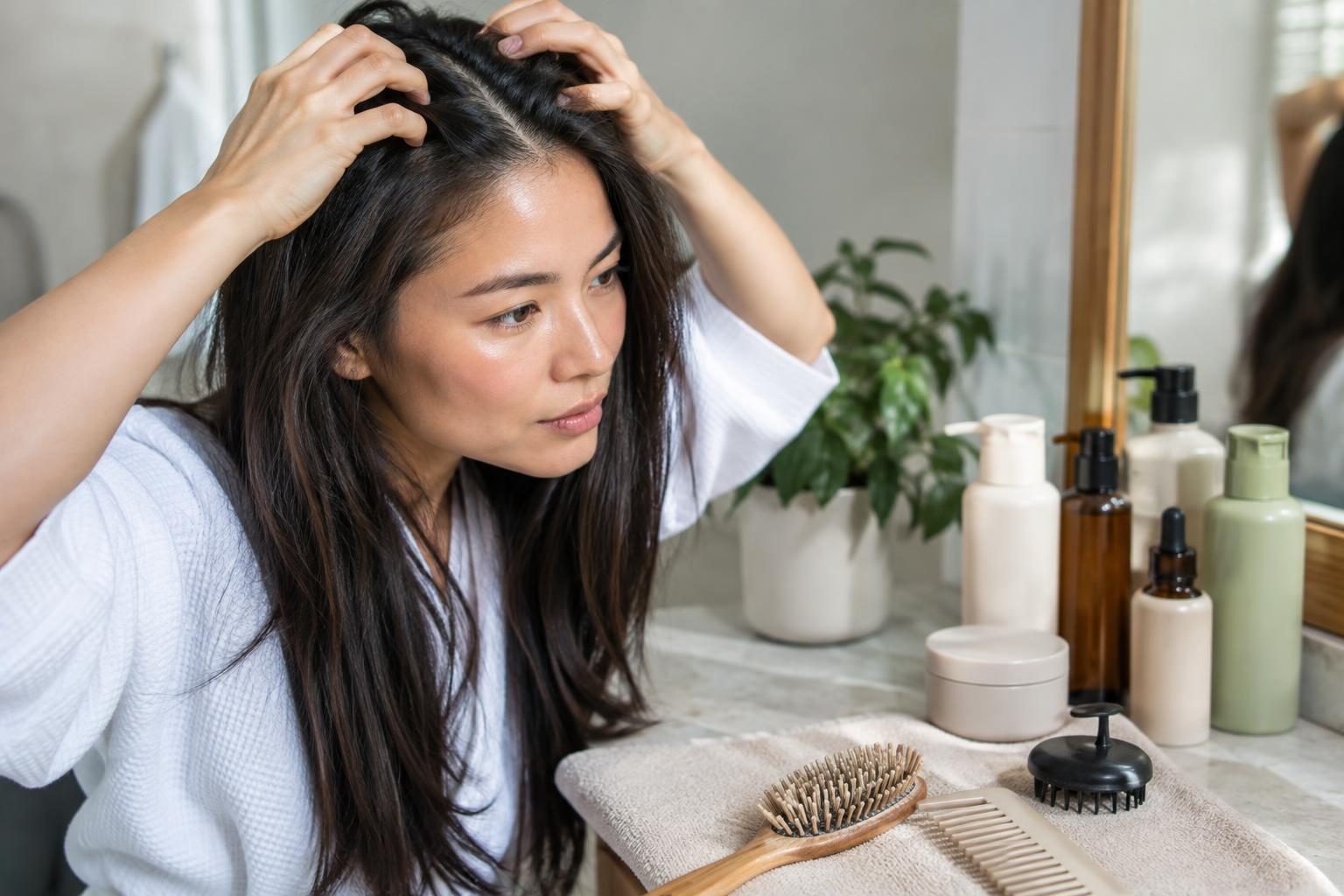
Massaging your scalp can stimulate blood circulation, promoting hair growth. Use essential oils, like tea tree or lavender, known for their antimicrobial properties, to enhance your scalp massage.
💄 Recommended Product: Mielle Rosemary Mint Scalp Oil
This oil not only nourishes the scalp but also invigorates hair follicles, encouraging thicker and healthier hair growth.
[Buy on Amazon: https://www.amazon.com/dp/B07N7PK9QK?tag=shampoogarage-20
Common Scalp Conditions Related to the Microbiome
Maintaining your scalp microbiome is essential for preventing common scalp conditions, some of which can severely impact hair growth.
Dandruff
Dandruff is one of the most common issues related to an imbalanced microbiome. It often manifests as flakes and can cause significant itching. Using a medicated shampoo like Nizoral can help combat this issue effectively.
Seborrheic Dermatitis
This more severe form of dandruff is characterized by red, inflamed patches and can lead to hair loss. Consultation with a dermatologist may be necessary to determine an appropriate treatment plan.
Hair Loss
Hair loss can also be connected to an unhealthy scalp microbiome, particularly in conditions characterized by inflammation. Addressing the microbiome balance through lifestyle and product choices can be beneficial.
Recommended Products for Scalp Health
To enhance your scalp health, consider the following products that can promote a thriving microbiome:
| Product | Benefits | Why to Buy |
|---|---|---|
| Nizoral Anti-Dandruff Shampoo | Controls dandruff | Dermatologist-recommended |
| OGX Coconut Milk Shampoo | Hydrates and nourishes | Ideal for dry, damaged hair |
| Olaplex No.4 Bond Maintenance Shampoo | Strengthens hair bonds | Suitable for color-treated hair |
| Mielle Rosemary Mint Scalp Oil | Stimulates follicle growth | Natural ingredients promote vitality |
💄 Recommended Product: OGX Coconut Milk Shampoo
This ultra-hydrating shampoo infuses nourishing coconut milk into your strands, promoting a healthy and hydrated scalp.
[Buy on Amazon: https://www.amazon.com/dp/B000TGEJT8?tag=shampoogarage-20
Conclusion and Call to Action
Understanding the scalp microbiome is crucial for anyone seeking healthier hair growth. By maintaining the balance of beneficial microorganisms, you can foster a thriving environment for your scalp, leading to improved hair health. Implement these practices and consider incorporating recommended products into your routine for optimal results.
Ready to find your perfect haircare match? Browse our full product reviews at ShampooGarage and discover what actually works for your hair type.
Frequently Asked Questions
Q: How can I tell if my scalp microbiome is unbalanced?
A: Signs of an unbalanced scalp microbiome include excessive dandruff, itchiness, irritation, or unexplained hair thinning. If you notice these symptoms, consider revising your hair care routine.
Q: What is a good diet for a healthy scalp?
A: A diet rich in antioxidants, omega-3 fatty acids, and vitamins, especially Biotin, is beneficial for scalp health. Foods like nuts, seeds, fish, and green leafy vegetables should be staples in your diet.
Q: Can essential oils improve my scalp health?
A: Yes, essential oils such as tea tree, lavender, and rosemary can offer antimicrobial benefits and improve overall scalp health. Always dilute essential oils with a carrier oil before applying.
Q: How often should I wash my hair to maintain a healthy microbiome?
A: The right frequency depends on your hair type; generally, washing every 1-3 days helps maintain balance without stripping natural oils.
Q: Can stress impact my scalp microbiome?
A: Absolutely. High-stress levels can lead to inflammation and disrupt your microbiome, potentially causing hair loss. Managing stress through relaxation techniques can be beneficial.
Q: Are there specific products to avoid for maintaining scalp health?
A: Avoid shampoos with sulfates, parabens, and alcohol, as these chemicals can disrupt the natural balance of your scalp microbiome.
Q: Is hair loss related to scalp health?
A: Yes, poor scalp health can lead to hair loss, often due to inflammation or an unhealthy microbiome. Addressing scalp issues can help in regrowth.
Q: How long does it take to see improvements in scalp health?
A: Typically, many individuals notice improvements within a few weeks of consistently following a healthy scalp care regimen, but significant changes may take longer.
Return ONLY the complete article in Markdown. No preamble, no "here is the article", no meta-commentary. The affiliate disclosure MUST be the very last element, after the FAQ and Conclusion.
As an Amazon Associate I earn from qualifying purchases.
As an Amazon Associate I earn from qualifying purchases.