General information only. ShampooGarage articles are educational and are not medical or individualized hair, scalp, or skin advice.
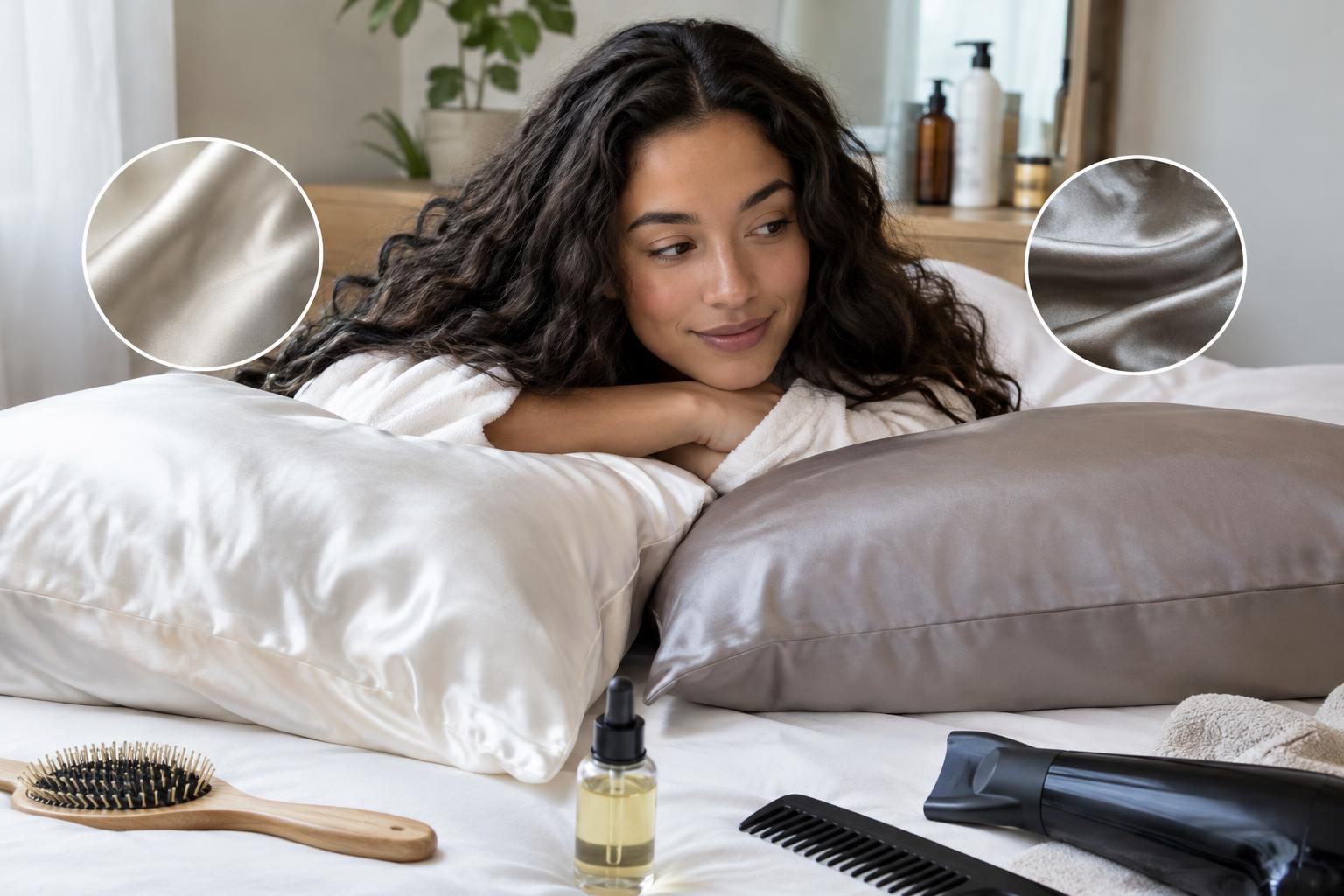
Silk vs Satin pillowcases are defined as different types of fabric commonly used for bedding. Research indicates that both fabrics can benefit hair health by reducing friction and retaining moisture, but there are some differences. Understanding these distinctions is crucial for anyone looking to improve their hair care routine and minimize damage overnight.
Table of Contents
- Understanding Pillowcases: Silk vs Satin
- How Pillowcase Material Affects Hair Health
- Comparing the Benefits of Silk and Satin Pillowcases
- Choosing the Right Pillowcase for Your Hair Type
- Caring for Your Pillowcase
- Recommending Pillowcases for Hair Care
- FAQs
- Conclusion
Understanding Pillowcases: Silk vs Satin
Pillowcases play an essential role in hair health, particularly for individuals concerned about frizz, breakage, or moisture loss. Silk pillowcases are made from natural silk fibers, while satin pillowcases are usually crafted from synthetic fibers or a blend of fibers that create a smooth, glossy finish.
H3: What is Silk?
Silk is a natural protein fiber produced by the silkworm. It is lightweight, breathable, and has a natural temperature-regulating ability. Because of its smooth surface, silk reduces friction against hair, helping to minimize breakage and frizz.
H3: What is Satin?
Satin is a weave pattern that creates a glossy surface. While satin can be made from silk, most satin pillowcases are made from polyester or nylon, making them more affordable. This synthetic material also provides a smooth finish that reduces friction on hair.
H3: History of Silk and Satin in Bedding
The use of silk for pillowcases dates back to ancient China, where it was considered a luxury item reserved for the wealthy. Satin became popular in Europe during the Renaissance as a more affordable alternative, and it remains a favored fabric choice today.
How Pillowcase Material Affects Hair Health
Choosing the right pillowcase can significantly impact your hair's condition. The primary factor is how the material interacts with hair strands during sleep.
H3: Friction and Hair Damage
Standard cotton pillowcases can create significant friction, leading to tangles and breakage. The smooth surfaces of silk and satin help mitigate this issue, allowing hair to glide over the fabric instead.
H3: Moisture Retention
Silk pillowcases are often touted for their moisture-retaining qualities. They help keep hair hydrated by preventing the loss of natural oils compared to cotton or even synthetic satin. For those with dry or curly hair, this can be particularly beneficial.
H3: Hypoallergenic Properties
Silk is naturally hypoallergenic, making it resistant to dust mites and other allergens. For individuals with allergies, silk pillowcases can provide a dual benefit for both skin and hair health.
Comparing the Benefits of Silk and Satin Pillowcases
Both silk and satin offer unique benefits for hair; however, they are not identical. Here’s a quick breakdown of their similarities and differences:
| Feature | Silk | Satin |
|---|---|---|
| Material | Natural silk fibers | Synthetic materials (often polyester) |
| Smoothness | Extremely smooth, minimizing friction | Smooth, but less so than silk |
| Moisture retention | Excellent at retaining moisture | Moderate, depends on the fiber used |
| Breathability | Highly breathable, temperature-regulating | Less breathable than silk |
| Hypoallergenic properties | Naturally hypoallergenic | Varies by material |
| Cost | More expensive | Generally more affordable |
H3: Pros of Silk Pillowcases
- Superior smoothness, minimizes hair breakage.
- Excellent moisture retention, beneficial for dry hair types.
- Naturally hypoallergenic, minimizes allergens.
H3: Pros of Satin Pillowcases
- More affordable option for those on a budget.
- Smooth surface reduces friction similar to silk.
- Easy maintenance and machine washable options available.
Choosing the Right Pillowcase for Your Hair Type
Not all hair types benefit equally from silk or satin pillowcases. Here are some guidelines to help you choose the best option:
H3: For Curly Hair (3A-4C)
Individuals with curly hair types often experience dryness and frizz. Silk pillowcases can help maintain moisture levels, while satin can offer a more budget-friendly option with similar benefits.
H3: For Fine Hair
Fine hair tends to be more delicate and prone to breakage. Both silk and satin can help minimize friction; however, silk’s superior smoothness may be a better choice.
H3: For Coily Hair (4B-4C)
Coily hair types generally benefit from enhanced hydration. The moisture-retaining properties of silk can be a game-changer, but high-quality satin can also serve this hair type well if budget constraints exist.
H3: Consider Your Budget
Silk pillowcases tend to be a more significant investment compared to satin. Consider your budget when making a decision, weighing the long-term benefits against the initial cost.
Caring for Your Pillowcase
Proper care is vital to ensure your pillowcase lasts and maintains its benefits for hair.
H3: Washing and Drying
Both silk and satin require gentle washing to preserve their integrity. Hand washing with a mild detergent or a gentle cycle in cold water is recommended. Avoid using harsh fabrics when drying—air drying is ideal.
H3: Storage
Store your pillowcases in a cool, dry place away from direct sunlight to prevent fading and degradation of the fabric.
H3: Replacement Interval
It’s a good idea to replace your pillowcases every 1-2 years, depending on wear and tear. Signs of aging can include discoloration and a rougher texture, which can negatively impact hair health.
Recommending Pillowcases for Hair Care
While there isn’t a one-size-fits-all solution, certain products stand out for their potential hair benefits.
💄 Recommended Product: Slip Silk Pillowcase
This luxurious silk pillowcase is renowned for its soft surface and moisture-retaining properties, perfect for preventing hair damage.
[Buy on Amazon: https://www.amazon.com/dp/B07GK18P1J?tag=shampoogarage-20
💄 Recommended Product: Yala Silk Satin Pillowcase
Crafted from premium satin, this pillowcase offers a luxurious feel at a more affordable price, making it a great hair care investment.
[Buy on Amazon: https://www.amazon.com/dp/B08F3Z8Y38?tag=shampoogarage-20
FAQs
Q: Which is better for hair, silk or satin?
A: Silk is generally considered better for hair due to its superior smoothness and moisture retention properties. However, satin is a more affordable option that still offers benefits in reducing friction.
Q: Can pillowcases really make a difference in my hair?
A: Yes, using the right pillowcase can reduce friction, minimize hair damage, and help retain moisture, ultimately improving the overall health of your hair.
Q: How often should I wash my silk pillowcase?
A: It’s recommended to wash silk pillowcases every one to two weeks to keep them clean, ensuring they continue to provide hair benefits.
Q: Are silk pillowcases worth the investment?
A: If you struggle with hair damage, frizz, or moisture loss, investing in a silk pillowcase may be beneficial. It's a small addition to your hair care routine that can yield significant results.
Q: Will satin pillowcases help with frizz?
A: Yes, satin pillowcases can reduce friction and help in minimizing frizz, although they may not be as effective as silk.
Q: How do I care for my satin pillowcase?
A: Satin pillowcases are relatively easy to care for; gentle washing cycle, air drying, and storing them away from direct sunlight are recommended.
Q: Can I use fabric softener on silk or satin pillowcases?
A: It’s best to avoid fabric softener, as it can leave a residue that may affect the pillowcase's texture and benefits.
Q: Do I need a specific type of detergent for silk or satin?
A: Use a mild detergent specifically for delicate fabrics to ensure that your silk or satin pillowcases remain in good condition.
Conclusion
Ultimately, silk and satin both provide benefits for your hair health, but with their distinct characteristics, it helps to choose based on your hair type and budget. Understanding your specific needs will guide you in selecting the most appropriate pillowcase that minimizes frizz and retains moisture.
Ready to find your perfect haircare match? Browse our full product reviews at ShampooGarage and discover what actually works for your hair type.
Affiliate Disclosure: This post contains affiliate links, which means we may earn a small commission if you make a purchase using the links provided.
As an Amazon Associate I earn from qualifying purchases.
As an Amazon Associate I earn from qualifying purchases.