General information only. ShampooGarage articles are educational and are not medical or individualized hair, scalp, or skin advice.
Leave-in vs. rinse-out conditioner is defined as two distinct haircare products designed to provide hydration, detangling, and protection, differing primarily in their application and duration of effect. Rinse-out conditioners are applied after shampooing and are immediately washed away, offering temporary benefits, while leave-in conditioners remain in the hair to provide continuous moisture, heat protection, and styling support throughout the day. Understanding their unique roles is crucial for tailoring your haircare routine to your specific hair type and concerns, ensuring optimal health, manageability, and appearance in 2026.
Table of Contents
- Understanding the Basics: What Are Conditioners Anyway?
- Rinse-Out Conditioner: The Foundation of Hair Health
- Leave-In Conditioner: Your Daily Hair Protector and Enhancer
- Leave-In vs. Rinse-Out Conditioner: A Head-to-Head Comparison
- Choosing the Right Conditioner for Your Hair Type and Concerns
- Mastering Application: How to Get the Most Out of Both
- Beyond the Basics: Advanced Tips for Conditioner Use in 2026
Understanding the Basics: What Are Conditioners Anyway?
Before we dive into the specifics of leave-in vs. rinse-out conditioner, let's establish a foundational understanding of what conditioners are and why they're indispensable in any haircare regimen. At their core, conditioners are formulations designed to improve the feel, appearance, and manageability of hair. Shampoo, while essential for cleansing, can sometimes strip the hair of its natural oils, leaving the cuticle raised, rough, and prone to tangling and damage. Conditioners step in to counteract these effects, working to smooth the hair cuticle, restore moisture, and provide a protective barrier.
The science behind conditioners lies in their key ingredients, primarily cationic surfactants (positively charged molecules). Hair, especially when wet or damaged, carries a negative charge. These positively charged ingredients are attracted to the negatively charged areas of the hair, forming a thin, lubricating film. This film helps to detangle, reduce static, and impart a smoother, shinier finish. Beyond surfactants, conditioners often contain a blend of emollients (like oils and butters), humectants (to attract moisture), proteins (to strengthen), and silicones (for slip and shine). The specific blend and concentration of these ingredients determine a conditioner's function, whether it's for deep repair, lightweight hydration, or heat protection. Understanding these fundamental principles is the first step in making informed choices about your haircare routine in 2026.
The Role of the Hair Cuticle
The hair cuticle is the outermost layer of the hair shaft, composed of overlapping, scale-like cells. When healthy, these scales lie flat, creating a smooth surface that reflects light, resulting in shiny hair. When damaged by heat, chemicals, or even harsh washing, these scales can lift, making the hair feel rough, look dull, and become more susceptible to breakage. Both rinse-out and leave-in conditioners play a critical role in smoothing and sealing the cuticle. Rinse-out conditioners primarily work during the wash process to temporarily flatten the cuticle, making hair easier to detangle. Leave-in conditioners provide ongoing protection, keeping the cuticle sealed and shielded from environmental stressors throughout the day. For those with high-porosity hair, where the cuticle is naturally more open, this sealing action is particularly vital for retaining moisture.
Key Ingredients to Look For
When selecting any conditioner, understanding the ingredient list can be empowering. For general conditioning, look for ingredients like cetearyl alcohol, stearyl alcohol, and behentrimonium chloride โ these are common conditioning agents that provide slip and detangling. For moisture, emollients like shea butter, argan oil, jojoba oil, and coconut oil are excellent. Humectants such as glycerin and hyaluronic acid draw moisture from the air into the hair. Proteins like keratin, wheat protein, or silk protein can help strengthen damaged strands, though too much protein can sometimes lead to stiffness, especially for low-porosity hair. Silicones (like dimethicone or cyclomethicone) provide a smooth, slippery feel and can offer heat protection, but some prefer silicone-free options to avoid potential buildup. Always consider your hair's specific needs when scrutinizing these ingredients.
The pH Factor in Conditioning
The pH level of haircare products significantly impacts hair health. Healthy hair and scalp are mildly acidic, typically around a pH of 4.5 to 5.5. Shampoos are often alkaline to help open the hair cuticle and cleanse effectively. Conditioners, conversely, are typically formulated to be acidic, helping to close the hair cuticle that was opened by the shampoo. This closure is crucial for sealing in moisture, reducing frizz, and enhancing shine. An acidic conditioner helps to restore the hair's natural pH balance, making it smoother, stronger, and less prone to damage. This is why following shampoo with a conditioner is not just about softness, but about maintaining the structural integrity of your hair.
Rinse-Out Conditioner: The Foundation of Hair Health
Rinse-out conditioner is the workhorse of your shower routine, the essential follow-up to shampoo that truly transforms your hair from squeaky clean to soft and manageable. Its primary function is to rehydrate, detangle, and smooth the hair cuticle after shampooing. Think of it as the immediate relief your hair needs. Shampoo, by design, lifts the hair's outer cuticle layer to cleanse thoroughly. Rinse-out conditioners contain cationic surfactants and emollients that bind to the hair, helping to lay those cuticles back down flat. This action reduces friction, making hair easier to comb through, minimizes static electricity, and imparts a temporary shine.
These conditioners are formulated to be applied to wet hair, typically from mid-lengths to ends, and then thoroughly rinsed out after a few minutes. Their effects are immediate but temporary, providing benefits that last until the next wash. They are crucial for preventing damage during detangling, improving hair's texture, and preparing it for styling. For most hair types, especially those with fine to medium thickness, a good rinse-out conditioner is sufficient for daily hydration and protection. However, for hair that is particularly dry, damaged, or prone to frizz, a rinse-out conditioner often serves as the first layer of moisture, paving the way for additional treatments or leave-in products. In 2026, formulations continue to evolve, offering targeted solutions for everything from color protection to volumizing, all within the rinse-out category.
The Immediate Benefits of Rinse-Out Conditioners
Rinse-out conditioners deliver a host of immediate benefits that are crucial for maintaining hair health and manageability. Firstly, they significantly improve detangling. By coating the hair shaft and smoothing the cuticle, they reduce friction between strands, allowing combs and brushes to glide through with less effort, thus preventing breakage. Secondly, they restore moisture lost during shampooing, leaving hair feeling softer and more supple. This immediate hydration is vital for preventing dryness and brittleness. Thirdly, they enhance shine by creating a smoother surface that reflects light more effectively. Finally, they can temporarily reduce static electricity and frizz, making hair easier to style directly out of the shower. These instant effects make rinse-out conditioners a non-negotiable step for virtually all hair types.
Choosing the Right Rinse-Out Formula
Selecting the appropriate rinse-out conditioner depends heavily on your hair type and specific concerns. For fine hair, opt for lightweight, volumizing formulas that won't weigh strands down. Look for ingredients like hydrolyzed proteins (e.g., wheat protein) and avoid heavy butters or oils. For thick or coarse hair, richer, deeply moisturizing conditioners with ingredients like shea butter, argan oil, or ceramides are ideal to provide ample hydration and control frizz. Color-treated hair benefits from color-safe formulas that help seal the cuticle and prevent premature fading. Damaged or chemically treated hair needs reparative conditioners with ingredients like keratin, amino acids, or bond-building technologies. Always read product descriptions and ingredient lists to match the conditioner to your hair's unique needs.
Proper Application Techniques
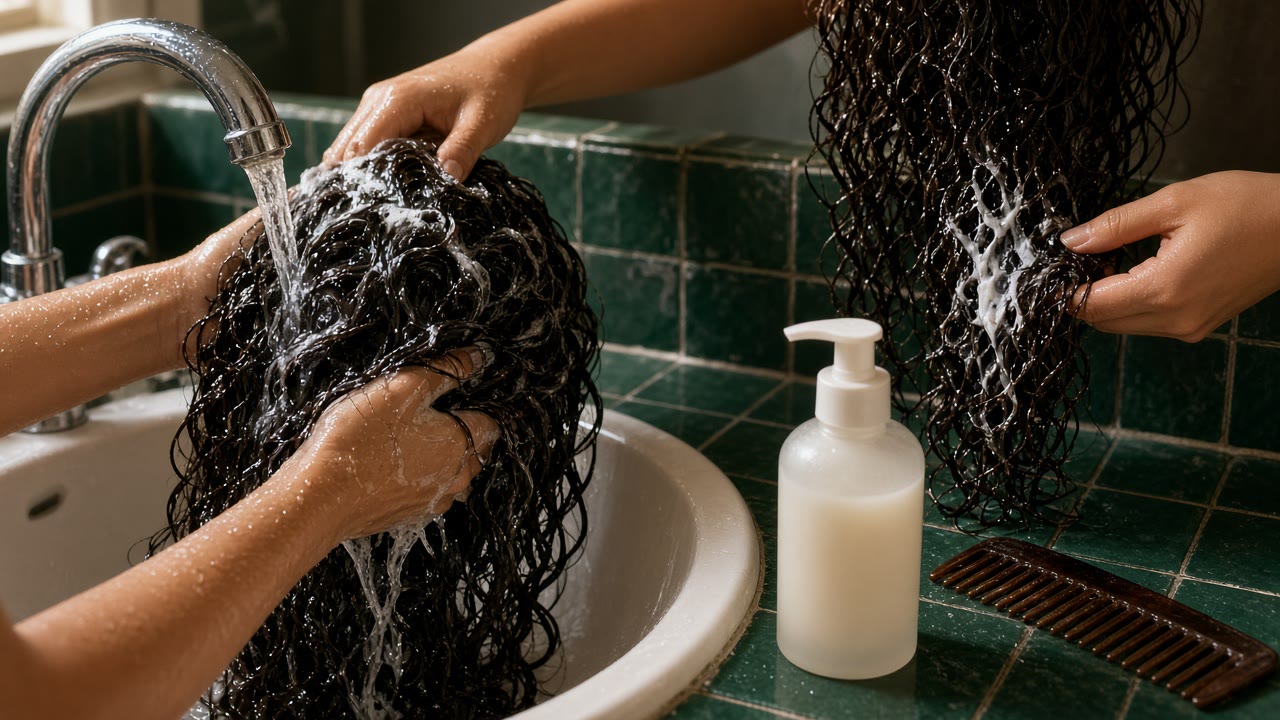
Applying rinse-out conditioner correctly is just as important as choosing the right one. After shampooing, gently squeeze excess water from your hair. Applying conditioner to soaking wet hair dilutes the product and reduces its effectiveness. Dispense an appropriate amount โ typically a quarter-sized dollop for medium-length hair, adjusting for length and thickness. Focus the application on the mid-lengths and ends of your hair, as these are the oldest and most prone to dryness and damage. Avoid applying directly to the scalp unless you have a specific scalp conditioning treatment, as it can weigh down roots or contribute to oiliness. Use your fingers or a wide-tooth comb to distribute the product evenly, ensuring every strand is coated. Allow the conditioner to sit for 2-5 minutes to allow the ingredients to penetrate, then rinse thoroughly with cool or lukewarm water until the hair feels smooth but not greasy.
Leave-In Conditioner: Your Daily Hair Protector and Enhancer
Leave-in conditioner is the unsung hero of many haircare routines, offering continuous benefits that extend far beyond the shower. Unlike its rinse-out counterpart, a leave-in conditioner is designed to remain in your hair, providing ongoing hydration, protection, and styling support throughout the day or night. Its formulations are typically lighter than rinse-out conditioners, ensuring they don't weigh hair down or leave a greasy residue. The primary purpose of a leave-in is to provide an extra layer of moisture, detangling, and protection against environmental aggressors like UV rays, pollution, and heat styling.
Applied to damp, towel-dried hair after washing (and often after a rinse-out conditioner), leave-ins work to seal the hair cuticle, lock in moisture, and create a barrier against damage. They are particularly beneficial for hair types prone to dryness, frizz, tangles, or those that undergo frequent heat styling. For curly, coily, or textured hair (like 3C or 4C), a leave-in conditioner is often a non-negotiable step, providing the essential moisture and slip needed for definition and manageability. In 2026, leave-in conditioners have become more sophisticated, offering specialized benefits such as bond-repairing properties, color protection, and even scalp-balancing ingredients, making them a versatile and powerful tool in your haircare arsenal.
๐ Recommended Product: Cantu Shea Butter Leave-In Conditioner
This rich, creamy leave-in is a holy grail for natural, curly, and coily hair types, providing intense moisture, reducing frizz, and promoting soft, defined curls without crunch.
[Buy on Amazon: https://www.amazon.com/dp/B007JCAHE4?tag=seperts-20
The Continuous Benefits of Leave-In Conditioners
The advantages of incorporating a leave-in conditioner into your routine are numerous and long-lasting. Firstly, they provide continuous hydration, keeping hair moisturized and supple between washes, which is especially vital for dry or porous hair. Secondly, they offer excellent detangling properties, making it easier to comb through knots and tangles without causing breakage, particularly on damp hair. Thirdly, many leave-ins include heat protectants, shielding your strands from the damaging effects of blow dryers, flat irons, and curling wands. Fourthly, they act as a barrier against environmental damage, such as UV radiation and pollution, which can degrade hair proteins and color. Lastly, they can significantly reduce frizz and enhance shine, contributing to a smoother, more polished look throughout the day.
Tailoring Your Leave-In Choice
Just like rinse-out conditioners, leave-ins come in a vast array of formulations designed for specific hair needs. For fine hair, opt for lightweight sprays or milk-like textures that won't weigh down strands. Look for oil-free or water-based formulas. For thick, coarse, or curly hair, richer creams or lotions with ingredients like shea butter, coconut oil, or argan oil provide essential moisture and frizz control. Color-treated hair benefits from leave-ins with UV filters and antioxidants to preserve vibrancy. Damaged or brittle hair can benefit from protein-rich leave-ins or those with bond-repairing ingredients to strengthen and protect. Consider your styling habits too; if you heat style frequently, a leave-in with robust heat protection is a must.
Application Tips for Optimal Results
Applying leave-in conditioner correctly ensures maximum benefits without product buildup. Start with clean, towel-dried hair that is still damp but not dripping wet. Dispense a small amount into your palms โ typically a dime to quarter-sized amount, depending on hair length and thickness. Rub your hands together to distribute the product evenly, then apply it from the mid-lengths to the ends of your hair. Avoid applying directly to the roots, as this can lead to oiliness or weigh down fine hair. For even distribution, use a wide-tooth comb or your fingers to gently work the product through. For curly hair, scrunching the product into curls can help enhance definition. Allow your hair to air dry or proceed with your usual styling routine. Remember, a little goes a long way, so start with a small amount and add more if needed.
Leave-In vs. Rinse-Out Conditioner: A Head-to-Head Comparison
Understanding the fundamental differences between leave-in vs. rinse-out conditioner is key to building an effective haircare routine. While both aim to hydrate and protect, their application, formulation, and duration of benefits set them apart. Rinse-out conditioners are your immediate post-shampoo treatment, designed for quick action and then removal. They provide essential detangling and cuticle smoothing, preparing your hair for the next steps. Leave-in conditioners, on the other hand, are designed for continuous, long-term benefits, acting as a protective shield and moisture boost throughout the day.
The choice isn't always about one or the other; often, the most effective strategy involves using both in conjunction, especially for hair that needs extra care. Think of the rinse-out as the foundational layer of moisture and manageability, and the leave-in as the protective topcoat and ongoing treatment. For some hair types, particularly those with fine or oily hair, a rinse-out conditioner might be sufficient. However, for dry, damaged, curly, or frequently styled hair, the combined power of both can make a dramatic difference. In 2026, haircare routines are increasingly personalized, and knowing when and why to use each type of conditioner allows for a truly tailored approach to hair health.
Key Differences at a Glance
| Feature | Rinse-Out Conditioner | Leave-In Conditioner |
|---|---|---|
| Application | Applied in shower after shampoo, then rinsed | Applied to damp hair after washing, not rinsed |
| Primary Function | Detangling, immediate moisture, cuticle smoothing | Continuous hydration, protection, styling aid, frizz control |
| Formula Weight | Often richer, heavier; designed to be washed out | Lighter, non-greasy; designed to stay in hair |
| Duration of Effect | Immediate, temporary (until next wash) | Continuous throughout the day/until next wash |
| Key Benefits | Reduces friction, improves manageability post-wash | Heat protection, UV protection, frizz reduction, curl definition |
| Best For | All hair types, foundational conditioning | Dry, damaged, curly, coily, color-treated, heat-styled hair |
| Frequency | Every wash | Daily or as needed, between washes |
When to Use Both: A Synergistic Approach
For many individuals, particularly those with hair that is dry, damaged, color-treated, or naturally curly/coily, using both a rinse-out and a leave-in conditioner creates a powerful, synergistic effect. The rinse-out conditioner works its magic in the shower, detangling and softening the hair, making it easier to manage immediately after washing. This initial conditioning step prepares the hair to better receive and benefit from the leave-in. The leave-in then provides an additional layer of moisture, protection, and styling support that lasts throughout the day. This two-step approach ensures that hair receives both intensive in-shower care and continuous protection, leading to superior hydration, reduced frizz, and enhanced overall health. It's about layering benefits for comprehensive care.
The Impact on Different Hair Porosities
The porosity of your hair โ its ability to absorb and retain moisture โ significantly influences how you should approach leave-in vs. rinse-out conditioner.
- Low Porosity Hair: Hair with tightly bound cuticles struggles to absorb moisture but retains it well once inside. For this type, lightweight rinse-out conditioners are best, focusing on ingredients that don't build up. Leave-ins should also be lightweight, water-based sprays or milks applied sparingly to avoid weighing down the hair. Over-conditioning can lead to greasy, limp hair.
- Medium Porosity Hair: This hair type is generally well-balanced, absorbing and retaining moisture effectively. Most standard rinse-out and leave-in conditioners work well. A balanced approach with both types can maintain optimal health.
- High Porosity Hair: Hair with raised or damaged cuticles absorbs moisture quickly but loses it just as fast. This type benefits immensely from both rich rinse-out conditioners and creamy, emollient-rich leave-ins. The rinse-out helps to temporarily smooth the cuticle, while the leave-in provides a continuous seal to lock in moisture and protect against further damage. Layering is key here.
Choosing the Right Conditioner for Your Hair Type and Concerns
Navigating the vast world of conditioners can feel overwhelming, but understanding your specific hair type and primary concerns is the compass you need. The "right" conditioner isn't a universal product; it's a personalized choice that addresses your hair's unique structure, texture, and current condition. Whether your hair is fine, thick, oily, dry, color-treated, or natural, there's a conditioner formulated to meet its needs. The goal is to select products that enhance your hair's natural beauty without causing adverse effects like greasiness, dryness, or damage.
In 2026, product labels are more informative than ever, often explicitly stating which hair types or concerns they target. Pay attention to keywords like "volumizing," "moisturizing," "repairing," "color-safe," "curl-defining," or "oil-control." Beyond the marketing, delve into the ingredient list to ensure it aligns with your hair's requirements. For example, fine hair typically shies away from heavy oils, while coarse hair thrives on them. This section will guide you through making informed choices for both rinse-out and leave-in conditioners, ensuring your haircare routine is as effective and tailored as possible.
Hair Type Specific Recommendations
- Fine Hair:
- Rinse-Out: Opt for lightweight, volumizing formulas. Look for "volumizing," "lightweight," or "root-lifting" on the label. Avoid heavy butters or oils that can weigh down strands. Ingredients like hydrolyzed wheat protein can add strength without bulk.
- Leave-In: Choose ultra-light sprays or mists. Focus on applying to the ends only. Silicone-free options are often preferred to prevent buildup.
- Thick/Coarse Hair:
- Rinse-Out: Rich, deeply moisturizing, and smoothing conditioners are your best friend. Look for ingredients like shea butter, argan oil, coconut oil, or ceramides to provide intense hydration and frizz control.
- Leave-In: Creamy lotions or oils are excellent for providing lasting moisture, taming frizz, and adding shine. Apply generously, focusing on mid-lengths and ends.
- Curly/Coily Hair (e.g., 3A-4C):
- Rinse-Out: Detangling and moisturizing formulas are crucial. Look for conditioners with significant slip, often containing ingredients like behentrimonium methosulfate, fatty alcohols, and natural oils (jojoba, avocado).
- Leave-In: A non-negotiable step. Creamy, hydrating leave-ins are essential for curl definition, moisture retention, and frizz reduction. Shea butter, glycerin, and various oils are beneficial. Consider layering with a curl cream.
- Oily Hair:
- Rinse-Out: Use lightweight, balancing conditioners. Focus application on the ends. Some brands offer specific "scalp balancing" or "oil control" conditioners.
- Leave-In: Generally, avoid unless ends are very dry. If needed, use a very light spray on the very tips, sparingly.
- Dry Hair:
- Rinse-Out: Maximize moisture with rich, emollient-heavy conditioners. Ingredients like hyaluronic acid, glycerin, and various plant oils are excellent.
- Leave-In: Essential for continuous hydration. Opt for creamy, nourishing formulas. Consider layering with a hair oil for extra moisture.
- Damaged/Chemically Treated Hair:
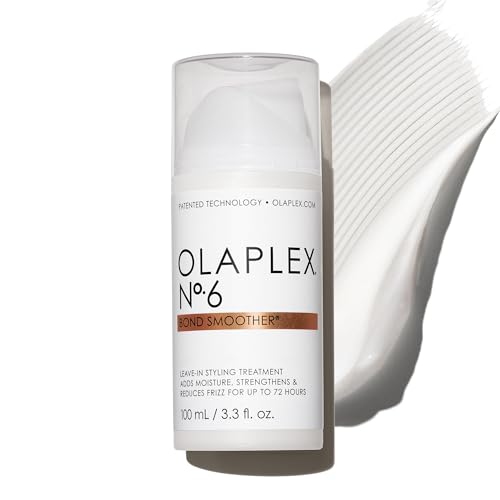
- Rinse-Out: Repairing and strengthening conditioners with proteins (keratin, silk), amino acids, or bond-building technologies (e.g., Olaplex) are vital.
- Leave-In: A must for protection. Choose leave-ins with heat protectants, UV filters, and strengthening ingredients to prevent further damage and aid repair.
Addressing Specific Hair Concerns
โ
Frizz Control: Look for smoothing conditioners with ingredients like silicones (if you don't mind them), argan oil, shea butter, and humectants (in humid climates) or anti-humectants (in dry climates). Leave-ins with anti-frizz properties are particularly effective.
โ
Color Protection: Choose sulfate-free formulas for both rinse-out and leave-in conditioners. Look for UV filters and antioxidants to prevent fading.
โ
Heat Protection: Leave-in conditioners are your primary defense here. Ensure your chosen leave-in explicitly states "heat protection" on the label, often containing ingredients like silicones or hydrolyzed proteins.
โ
Scalp Health: While conditioners are primarily for hair, some specialized rinse-out conditioners or leave-in sprays target scalp concerns like dryness or oiliness. Look for ingredients like tea tree oil for clarifying or hyaluronic acid for hydration.
โ
Detangling: Both types of conditioners aid in detangling. For very tangled hair, prioritize rinse-out conditioners with high slip and follow with a detangling leave-in spray.
๐ Recommended Product: Olaplex No.3 Hair Perfector
While technically a treatment, Olaplex No.3 works wonders in repairing broken bonds within the hair, making it an essential pre-shampoo or leave-in step for anyone with damaged, bleached, or chemically treated hair.
[Buy on Amazon: https://www.amazon.com/dp/B01MSSDEPK?tag=seperts-20
Reading Product Labels Like a Pro
In 2026, understanding product labels is easier than ever, but still requires a discerning eye. Beyond the marketing claims, focus on the ingredient list. Ingredients are listed in descending order of concentration. This means the first few ingredients make up the bulk of the product. If "water" is followed by a long list of chemicals before you see any beneficial oils or extracts, it might not be as potent as advertised. Look for specific conditioning agents like cetearyl alcohol, behentrimonium chloride, or stearamidopropyl dimethylamine. Identify emollients (oils, butters), humectants (glycerin, hyaluronic acid), and proteins (keratin, wheat protein) relevant to your hair needs. Also, check for "free-from" claims like "sulfate-free," "paraben-free," or "silicone-free" if those are your preferences. A quick search on ShampooGarage.com can also provide detailed ingredient breakdowns and reviews for specific products, helping you make an informed choice.
Mastering Application: How to Get the Most Out of Both
The effectiveness of any haircare product, especially conditioners, hinges not just on its formulation but also on proper application. Even the most expensive, scientifically advanced conditioner won't deliver its full potential if it's not used correctly. Mastering the application techniques for both rinse-out and leave-in conditioners ensures that your hair receives maximum benefits, leading to healthier, more manageable, and beautiful results. This involves understanding the right amount of product to use, where to apply it, and for how long.
Over-application can lead to greasy, weighed-down hair, while under-application might leave your strands dry and unconditioned. The goal is to achieve an even distribution that coats each strand without oversaturating. This section will walk you through the precise steps for applying both types of conditioners, offering expert tips for different hair lengths and textures. By refining your application technique, you'll unlock the true power of your chosen conditioners and elevate your entire haircare routine in 2026.
Step 1 of 4: Preparing Your Hair for Rinse-Out Conditioner
Before applying your rinse-out conditioner, proper hair preparation is crucial.
- Thorough Shampooing: Ensure your hair is thoroughly cleansed with shampoo. Focus on the scalp to remove dirt, oil, and product buildup. Rinse the shampoo completely until your hair feels clean and free of suds.
- Squeeze Out Excess Water: This is a critical step often overlooked. After rinsing shampoo, gently squeeze out as much excess water from your hair as possible. Hair that is dripping wet will dilute your conditioner, making it less effective. You want your hair to be damp, not saturated. For very thick or long hair, you might even gently blot with a towel. This allows the conditioner to adhere better to the hair shaft and penetrate more effectively.
Step 2 of 4: Applying Rinse-Out Conditioner Evenly
Now that your hair is prepped, it's time for the rinse-out conditioner.
- Dispense the Right Amount: Start with a quarter-sized amount for medium-length hair. Adjust based on your hair's length and thickness โ less for fine, short hair; more for thick, long hair. It's always better to start with less and add more if needed.
- Focus on Mid-Lengths and Ends: The oldest and most fragile parts of your hair are the mid-lengths and ends, which need the most conditioning. Apply the conditioner from about ear-level down to the tips. Avoid applying directly to the scalp unless your conditioner is specifically formulated for scalp treatment, as it can weigh down roots or contribute to oiliness.
- Distribute Thoroughly: Use your fingers or a wide-tooth comb to gently work the conditioner through your hair, ensuring every strand is coated. This helps detangle and evenly distribute the product.
- Allow to Penetrate: Let the conditioner sit on your hair for 2-5 minutes. This allows the beneficial ingredients to penetrate the hair shaft and smooth the cuticle. For deeper conditioning, some people leave it on longer, but always follow product instructions.
- Rinse Thoroughly: Rinse your hair with cool or lukewarm water until the water runs clear and your hair feels smooth but not slippery or greasy. Cool water helps to seal the cuticle, enhancing shine.
Step 3 of 4: Prepping for Leave-In Conditioner
Once your rinse-out conditioner is rinsed, prepare for the leave-in.
- Towel Dry Gently: After stepping out of the shower, gently squeeze and blot your hair with a towel. Avoid vigorous rubbing, which can cause friction and frizz. You want your hair to be damp, not wet, as this is the ideal canvas for leave-in application. The hair should no longer be dripping, but still feel cool and moist to the touch. This dampness helps the leave-in conditioner spread evenly and absorb effectively without diluting it.
Step 4 of 4: Applying Leave-In Conditioner for Lasting Benefits
The final step for continuous care.
- Dispense Sparingly: Leave-in conditioners are concentrated, so a small amount goes a long way. Start with a pea-sized to dime-sized amount for most hair types. For fine hair, a spray or mist is often best. For thick or curly hair, you might need slightly more.
- Focus on Problem Areas: Apply the leave-in primarily to the mid-lengths and ends of your hair, where dryness, damage, and frizz are most common. If you have very dry roots or a specific scalp issue, you might apply a tiny amount closer to the scalp, but generally, avoid direct root application to prevent oiliness.
- Even Distribution: Gently rake the product through your hair with your fingers or use a wide-tooth comb to ensure even distribution. For curly hair, scrunching the product in can help define curls.
- Style as Desired: Do not rinse out! Proceed with your regular styling routine, whether that's air-drying, blow-drying, or heat styling. The leave-in will continue to protect and moisturize your hair throughout the day. Reapply a tiny amount on dry hair if needed for frizz control or refreshing curls between washes.
Beyond the Basics: Advanced Tips for Conditioner Use in 2026
While the fundamental principles of using rinse-out and leave-in conditioners remain constant, the haircare landscape in 2026 offers advanced strategies and product innovations that can elevate your routine. Moving beyond basic application, these tips delve into optimizing product combinations, understanding ingredient synergies, and adapting your conditioning habits to specific lifestyle factors. It's about treating your hair with the precision of a professional, ensuring every strand receives exactly what it needs for peak health and beauty.
From "co-washing" for ultra-dry hair to incorporating specialized treatments, these advanced techniques are designed to address nuanced hair concerns and maximize the efficacy of your conditioners. Whether you're battling extreme dryness, recovering from chemical damage, or simply aiming for unparalleled shine, these insights will empower you to fine-tune your conditioning regimen. Embrace these expert-level approaches to transform your hair and maintain its vitality throughout 2026.
The Art of Co-Washing: Conditioner-Only Cleansing
Co-washing, short for "conditioner-only washing," is an advanced technique where you skip shampoo entirely and cleanse your hair using only a specialized cleansing conditioner. This method is particularly beneficial for individuals with very dry, coarse, curly, coily (especially 4C hair), or highly damaged hair that struggles with moisture retention. Traditional shampoos, even sulfate-free ones, can sometimes be too stripping for these hair types.
Co-wash conditioners are formulated with mild cleansing agents that gently remove light dirt and product buildup without stripping the hair's natural oils. They provide intense hydration and detangling during the cleansing process, leaving hair soft, moisturized, and manageable. While not suitable for everyone (fine or oily hair types may find it too heavy), co-washing can be a game-changer for those seeking to minimize dryness and maintain moisture balance. It's recommended to alternate co-washing with a clarifying shampoo every few washes to prevent buildup.
Deep Conditioning Treatments: An Essential Boost
Beyond your daily rinse-out conditioner, incorporating a weekly or bi-weekly deep conditioning treatment (often called a hair mask) can provide an intensive boost of hydration, repair, and nourishment. These treatments are formulated with higher concentrations of active ingredients like proteins, emollients, and humectants, designed to penetrate deeper into the hair shaft.
Benefits of Deep Conditioning:
- Intense Moisture: Replenishes severely dry or dehydrated hair.
- Damage Repair: Strengthens weakened strands and helps repair damage from heat, chemicals, or environmental stressors.
- Enhanced Elasticity: Improves hair's stretchiness, reducing breakage.
- Increased Shine & Softness: Leaves hair feeling incredibly soft and looking lustrous.
Apply a deep conditioner after shampooing, squeezing out excess water. Distribute evenly, focusing on mid-lengths and ends. For enhanced penetration, cover your hair with a shower cap and apply gentle heat (e.g., from a hooded dryer or warm towel) for 15-30 minutes before rinsing thoroughly.
Layering Products for Maximum Impact
For those with specific and complex hair needs, layering conditioners and other treatments can create a customized and highly effective regimen. This involves strategically applying different products in a specific order to maximize their individual benefits.
Example Layering Strategy (for very dry, curly hair):
- Rinse-Out Conditioner: Apply in the shower after shampooing for initial detangling and moisture. Rinse.
- Hair Mask/Deep Conditioner: Apply after rinsing the regular conditioner, leave on for 10-20 minutes, then rinse. (This step can replace the rinse-out conditioner on deep treatment days).
- Leave-In Conditioner: Apply to damp, towel-dried hair for continuous hydration and heat protection.
- Hair Oil: Follow the leave-in with a few drops of a lightweight hair oil (like argan or jojoba) to seal in moisture and add shine, particularly on the ends.
- Styling Cream/Gel: Finish with your preferred styling product for hold and definition.
The key to successful layering is to apply products from lightest to heaviest consistency and to use small amounts of each to avoid weighing down the hair. Experiment to find the combination that works best for your hair's unique requirements.
Frequently Asked Questions
Q: Can I use leave-in conditioner on dry hair?
A: Yes, you can use leave-in conditioner on dry hair, especially to refresh curls, tame frizz, or add a quick boost of moisture between washes. However, applying it to damp hair after washing generally allows for better absorption and more even distribution.
Q: Is it possible to over-condition my hair?
A: Yes, it is possible to over-condition your hair, especially with heavy formulas or excessive use. Signs of over-conditioned hair include limpness, lack of volume, greasiness, and difficulty holding a style. If this happens, clarify your hair with a gentle shampoo and reduce conditioner usage.
Q: What's the difference between a conditioner and a hair mask?
A: A regular rinse-out conditioner is for daily use, offering lightweight hydration and detangling. A hair mask (or deep conditioner) is a more intensive treatment with higher concentrations of active ingredients, designed for weekly or bi-weekly use to provide deeper repair, moisture, and nourishment.
Q: Do I need both a rinse-out and a leave-in conditioner?
A: It depends on your hair type and needs. For fine or oily hair, a rinse-out conditioner might be sufficient. However, for dry, damaged, curly, coily, or frequently heat-styled hair, using both provides a more comprehensive approach to hydration, protection, and manageability.
Q: Can leave-in conditioner cause product buildup?
A: Yes, like any product that isn't rinsed out, leave-in conditioners can contribute to product buildup over time, especially if you use too much or if the formula is heavy for your hair type. Regular clarifying shampoos can help remove this buildup.
Q: Should I apply conditioner to my scalp?
A: Generally, no. Most conditioners are formulated for the hair shaft, particularly the mid-lengths and ends. Applying them directly to the scalp can weigh down roots, make your scalp oily, or potentially clog pores. Unless it's a specific scalp treatment conditioner, avoid direct scalp application.
Q: How often should I use a leave-in conditioner?
A: The frequency depends on your hair's needs. For very dry or curly hair, daily use might be beneficial. For others, every other day or just on wash days is sufficient. Pay attention to how your hair feels โ if it's getting weighed down, reduce frequency.
Q: Does leave-in conditioner protect against heat damage?
A: Many leave-in conditioners contain heat-protectant ingredients that form a barrier around the hair shaft, reducing damage from heat styling tools. Always check the product label to ensure it specifically offers heat protection if that's a primary concern for you.
Conclusion
Navigating the world of haircare in 2026, understanding the distinct roles of leave-in vs. rinse-out conditioner is no longer just a preference, but a strategic decision for optimal hair health. Rinse-out conditioners lay the essential foundation, providing immediate detangling, moisture, and cuticle smoothing right in the shower. They are your first line of defense against post-shampoo dryness and friction. Leave-in conditioners, on the other hand, offer continuous, targeted benefits, acting as an ongoing shield against environmental stressors, heat damage, and frizz, while locking in moisture throughout the day.
The synergy between these two conditioning powerhouses is where true hair transformation happens. For most hair types, especially those prone to dryness, damage, or frizz, a thoughtful combination of both will yield the best results. By understanding your hair's unique porosity, texture, and concerns, you can expertly select and apply the right formulas, moving beyond generic advice to a truly personalized regimen. Whether you're a co-wash enthusiast, a deep conditioning devotee, or simply seeking to maximize your daily routine, integrating these insights will empower you to achieve the vibrant, healthy hair you deserve.
Ready to find your perfect haircare match? Browse our full product reviews at ShampooGarage and discover what actually works for your hair type.
This article contains Amazon affiliate links. If you purchase through them, ShampooGarage earns a small commission at no extra cost to you.